Heating Plates
46 equipment available
JP Selecta laboratory heating plates and mantles for evaporation, acid digestion and drying: circular and rectangular plates up to 400 °C, Ceramic-Plac ceramic glass holding up to 40 kg, enveloping mantles and heating tapes. PID control with Pt100 probe, EN 61010 and GMP traceability.
3031470
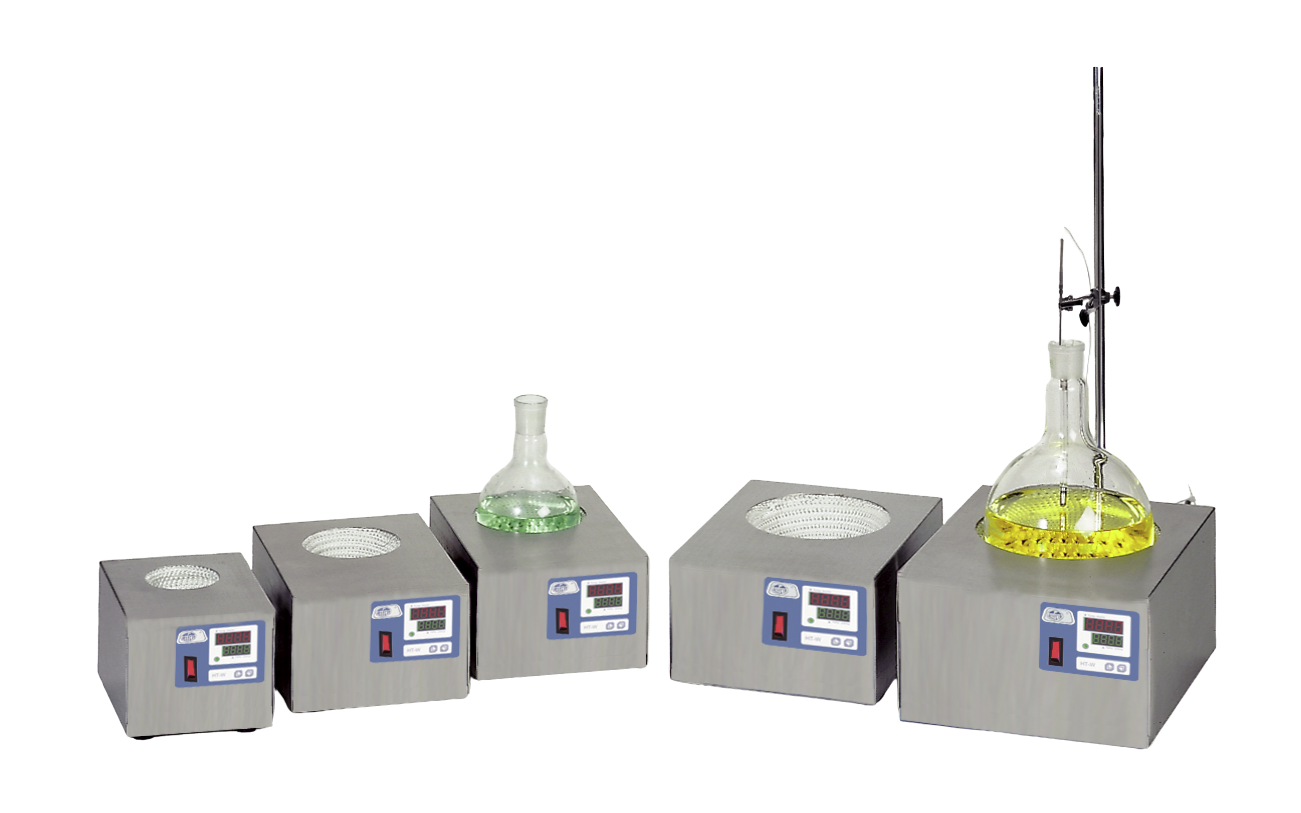
Fibroman HT-W
3031474
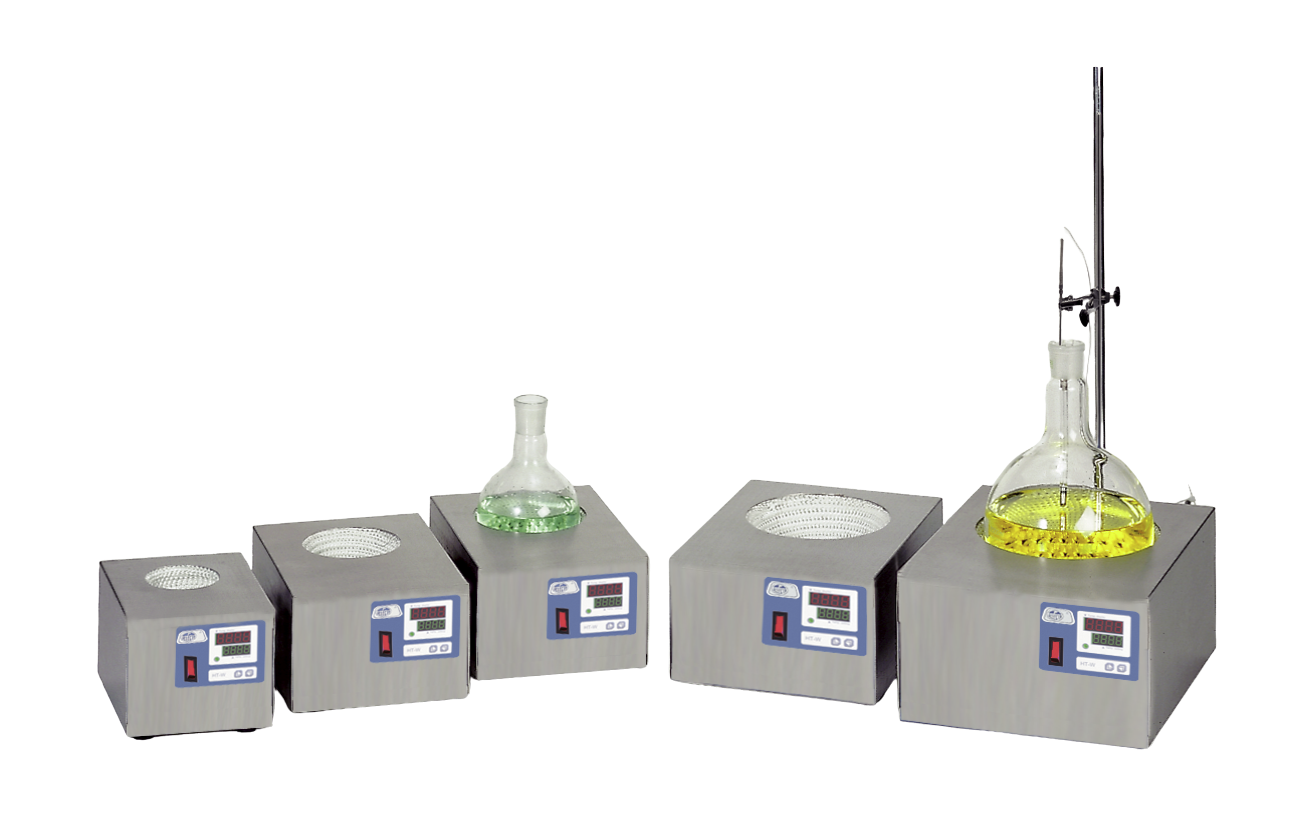
Fibroman HT-W
3031473
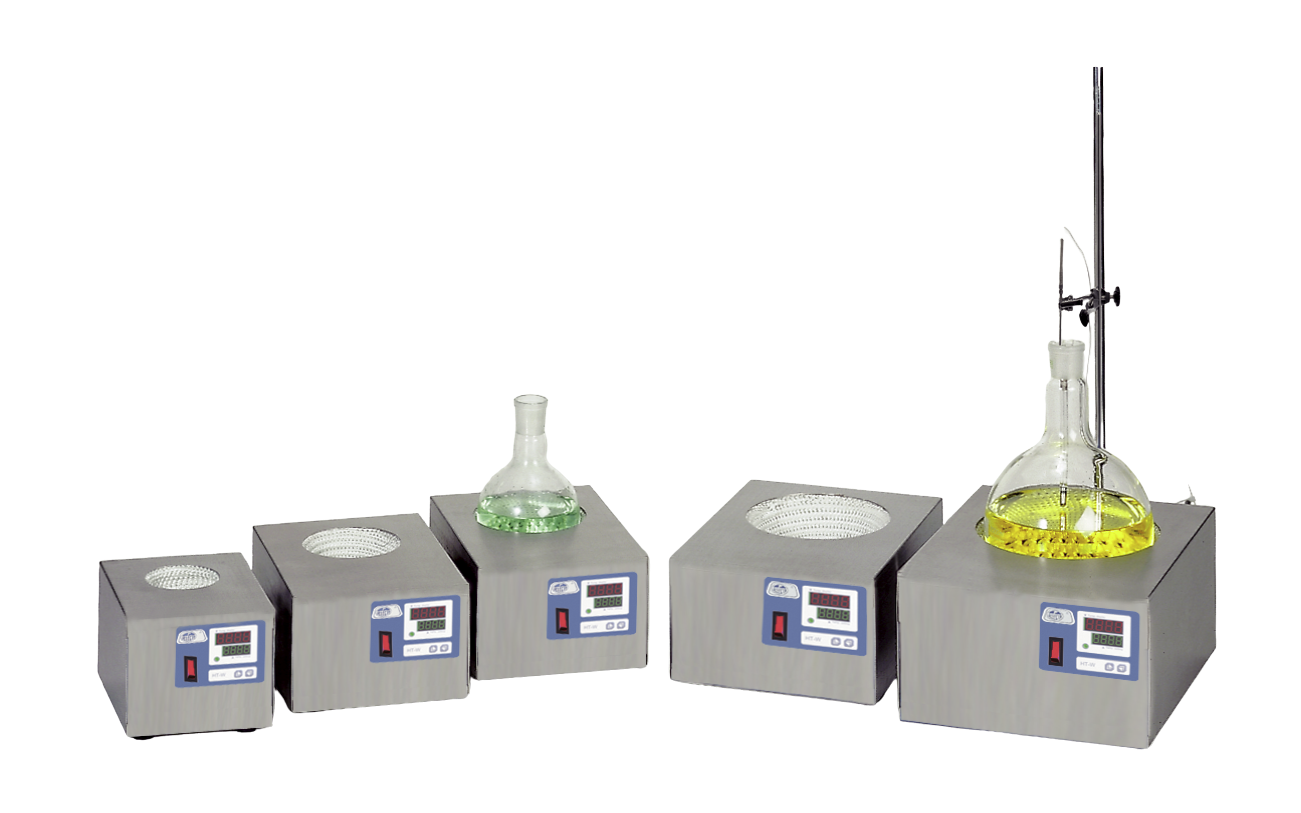
Fibroman HT-W
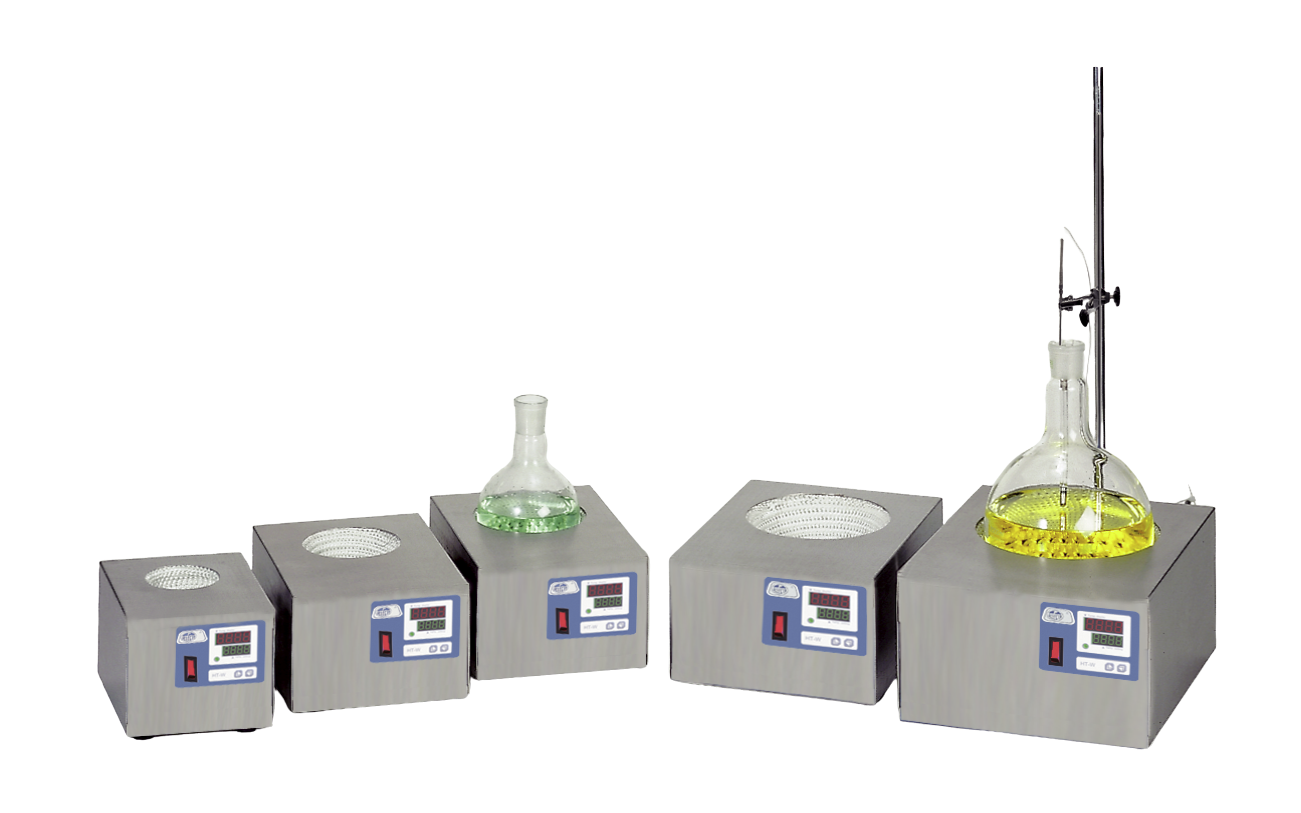
3031471
Fibroman HT-W
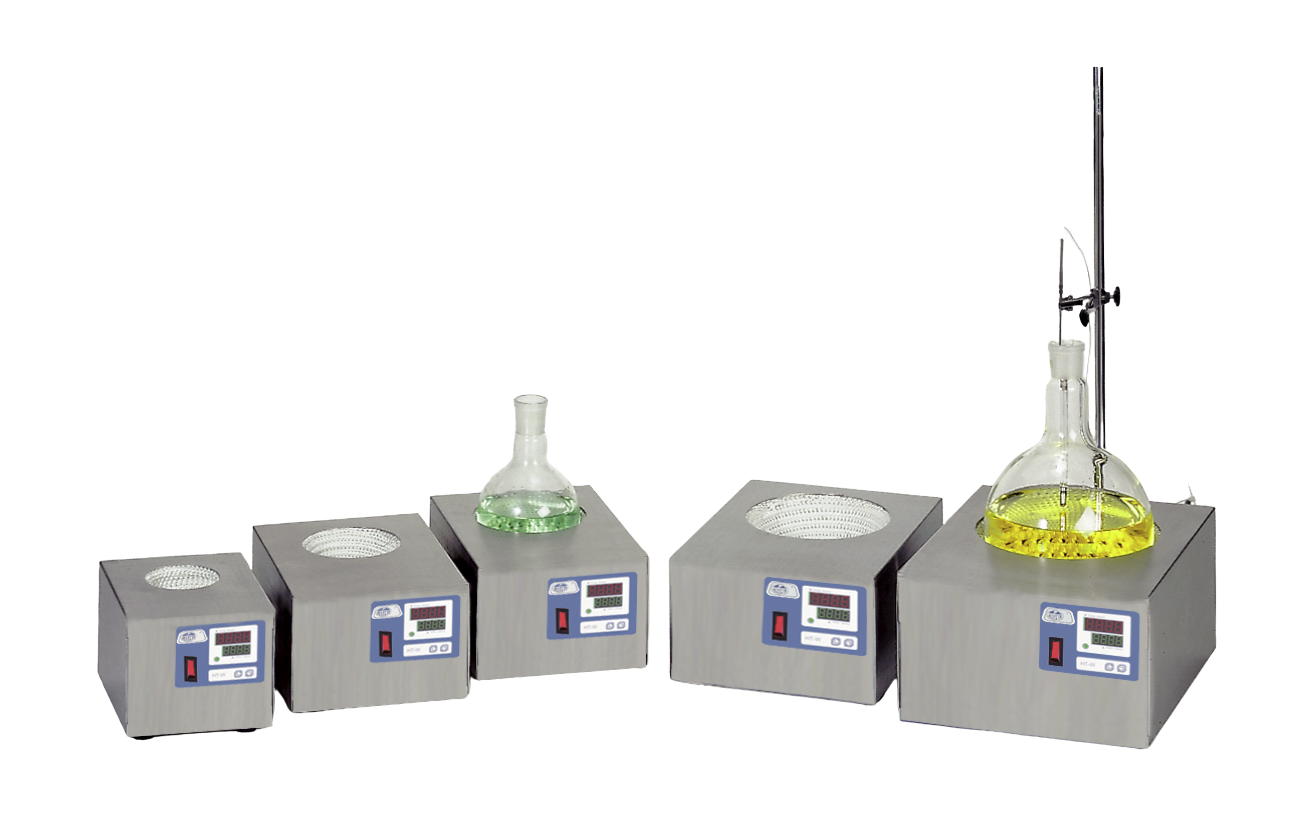
3031472
Fibroman HT-W
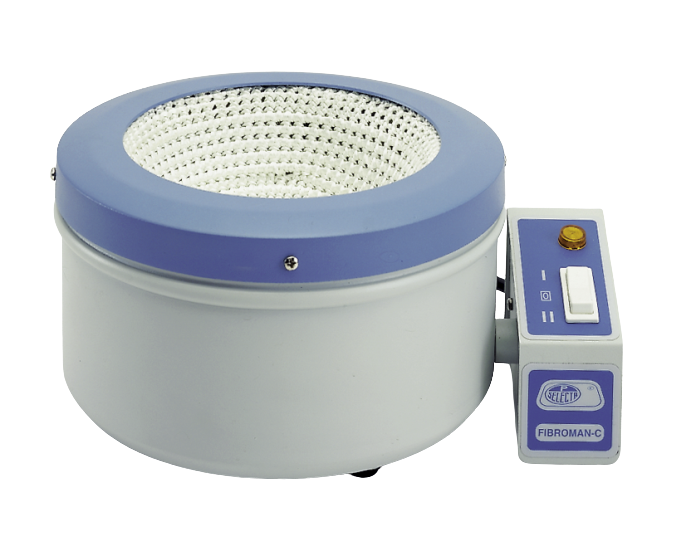
3003145
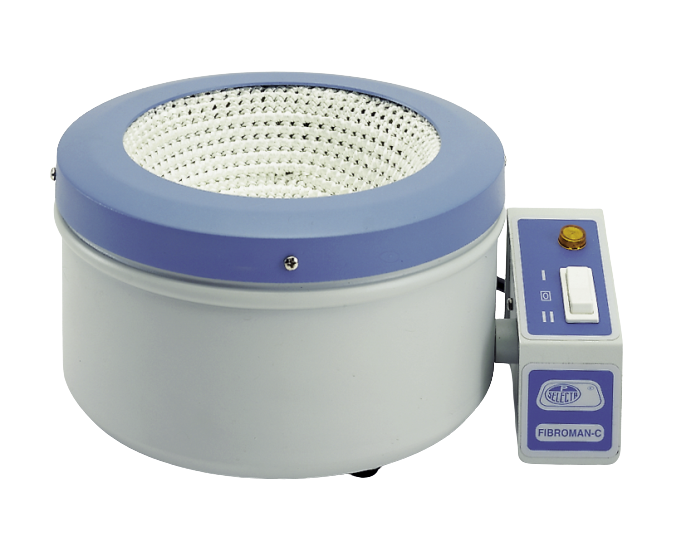
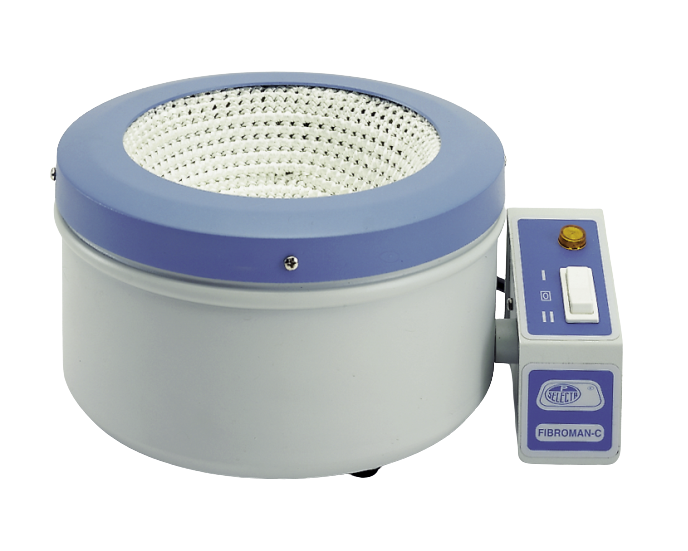
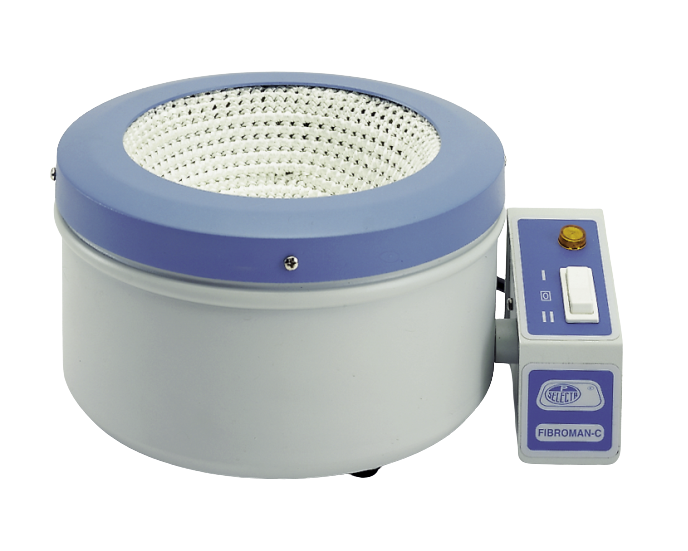
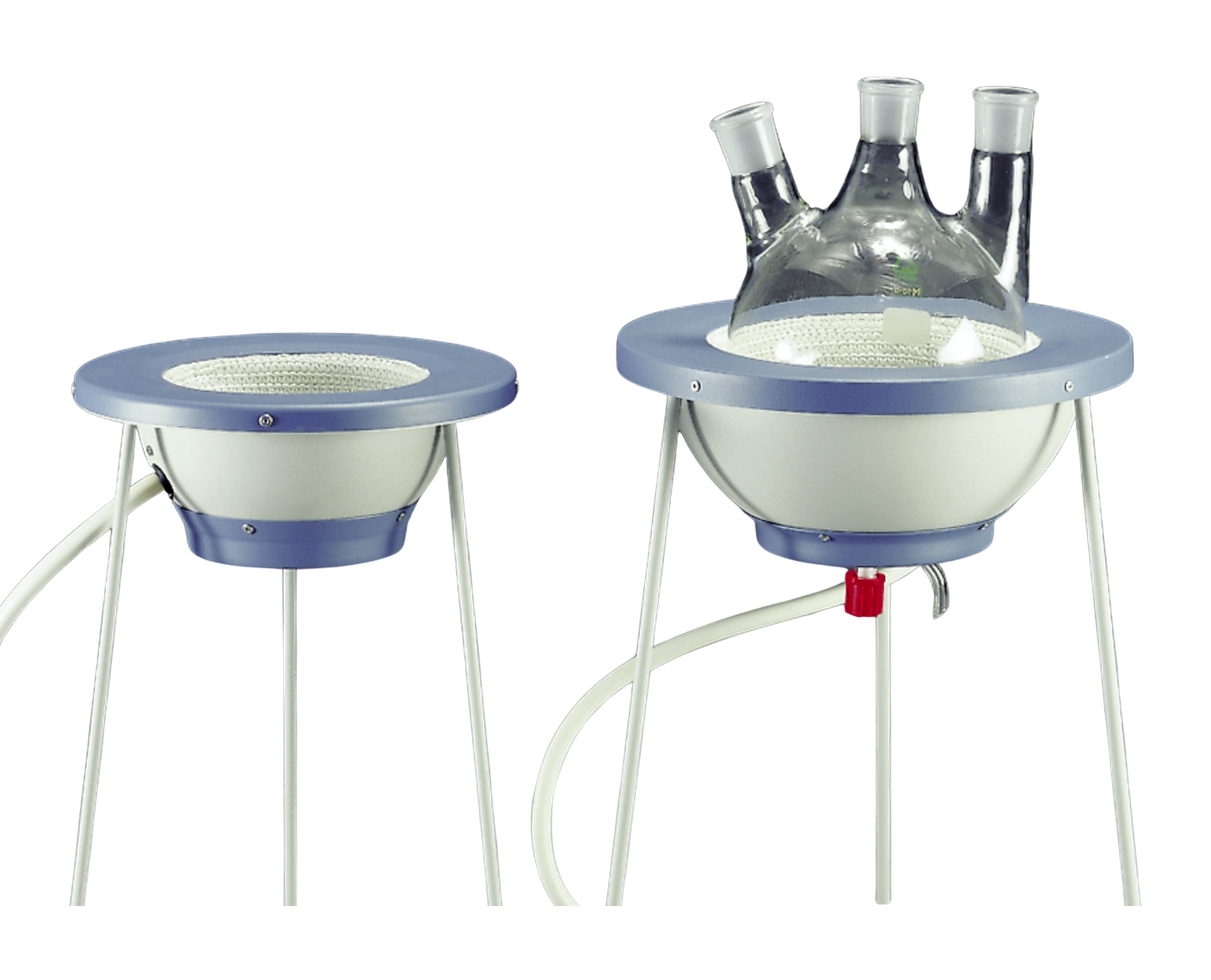
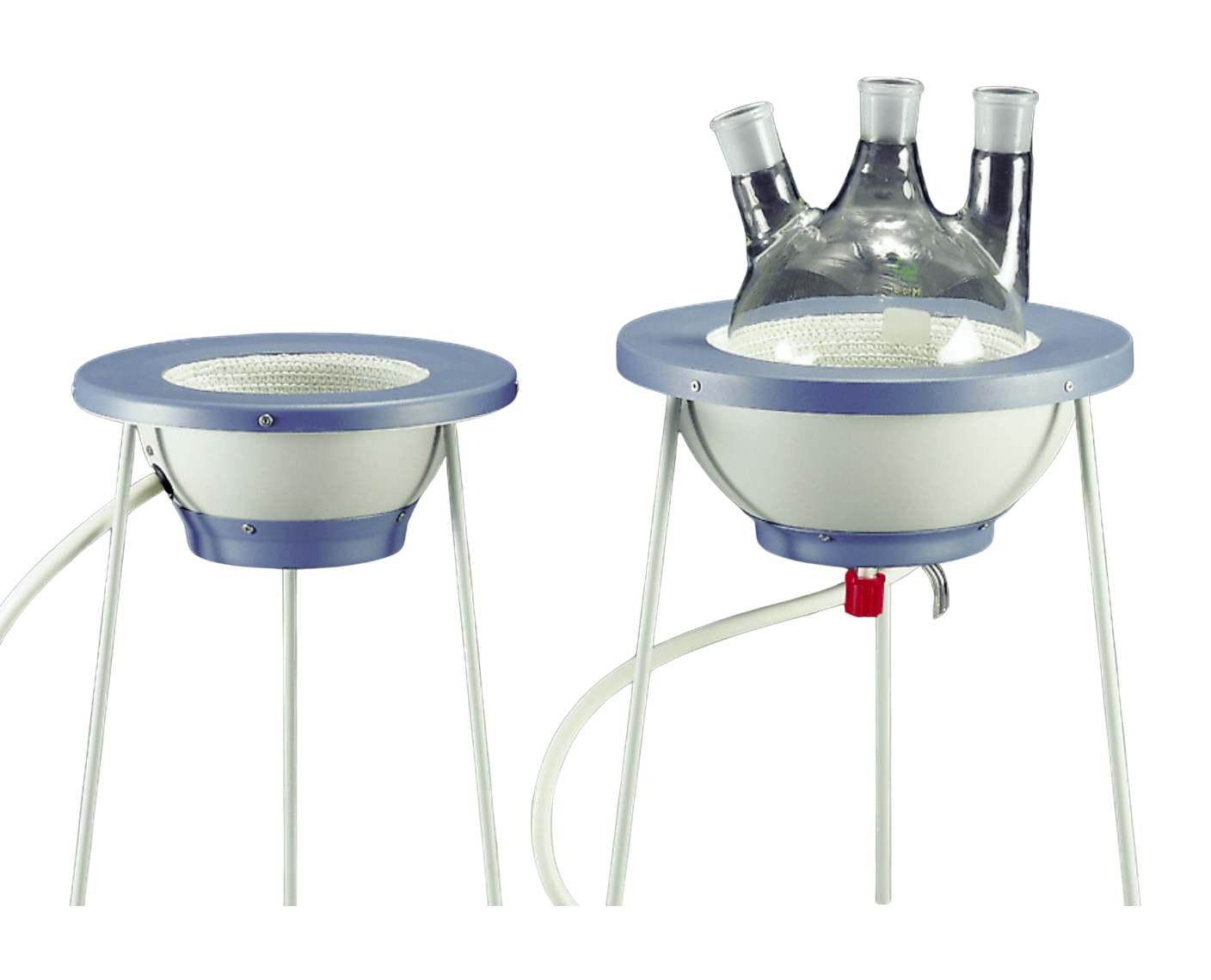
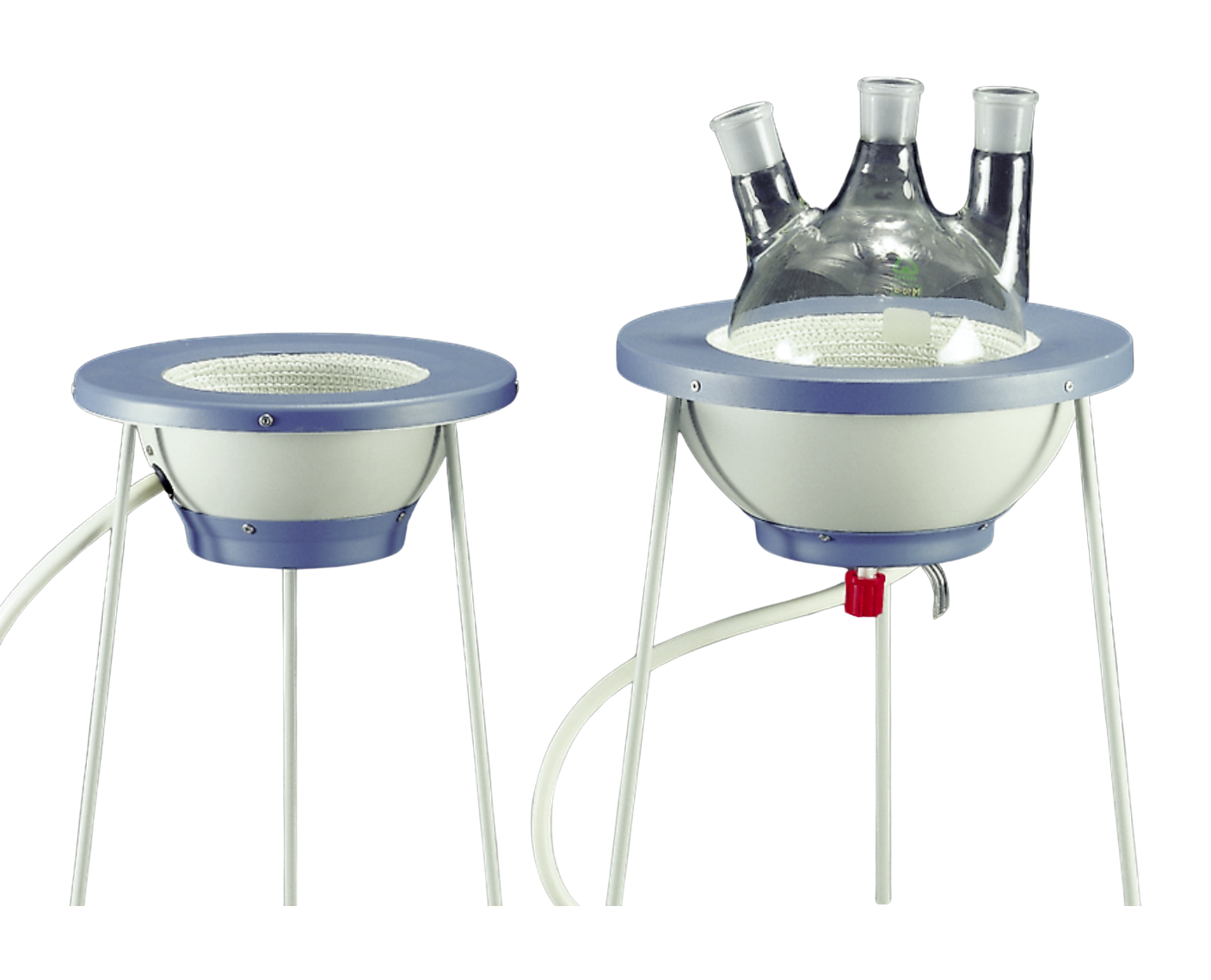
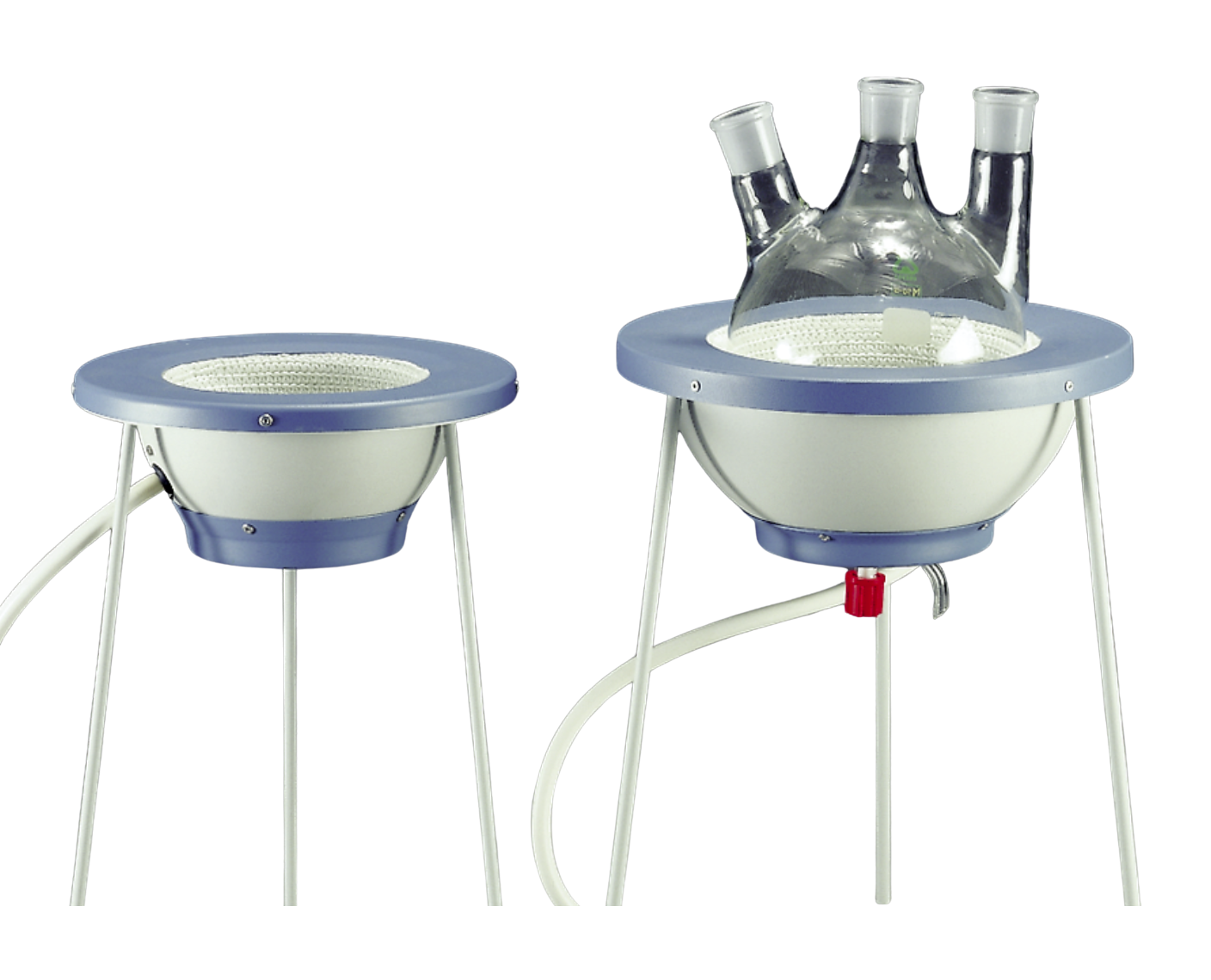
Fibroman-C heating blanket
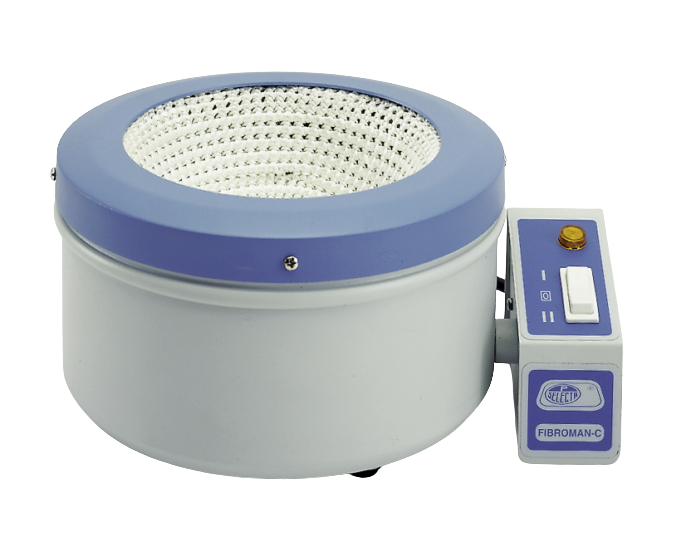
3314200
Fibroman-C heating blanket
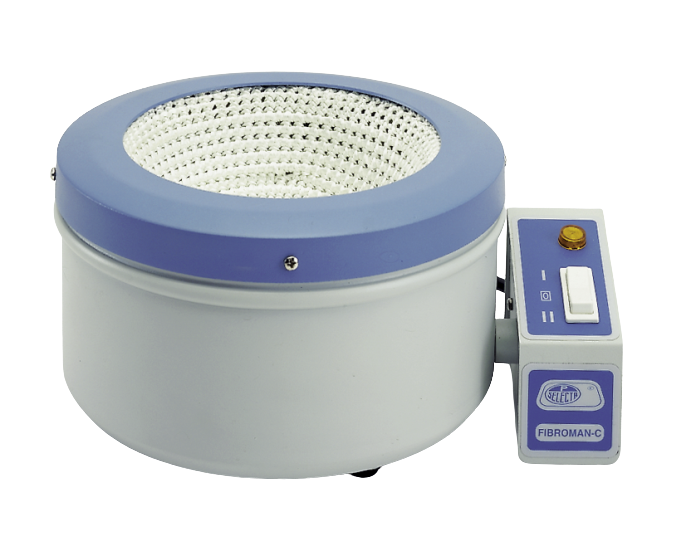
3031450
Fibroman-C heating blanket
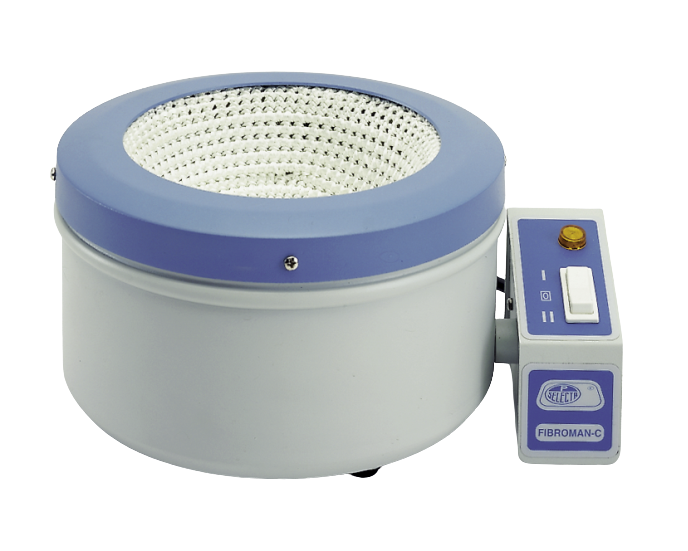
3003141
Fibroman-C heating blanket
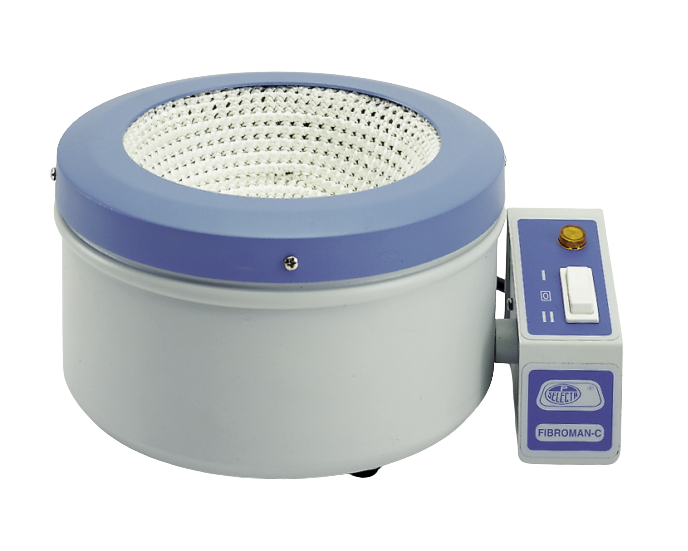
3003142
Fibroman-C heating blanket
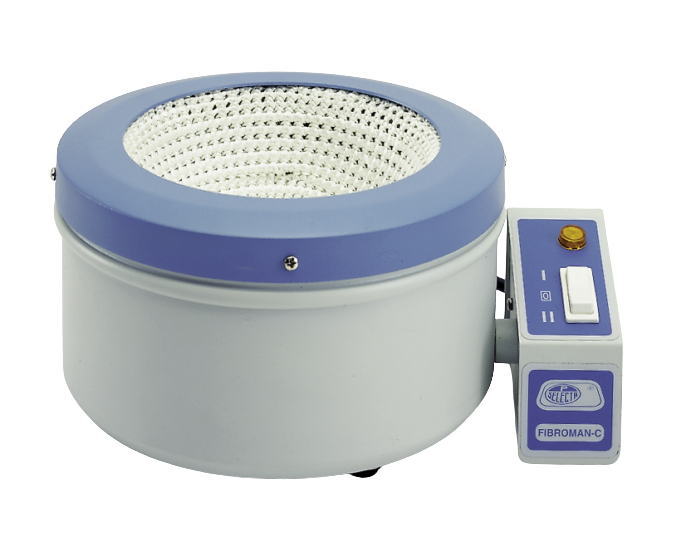
3031410
Fibroman-C heating blanket
3031420
Fibroman-C heating blanket
3031430
Fibroman-C heating blanket
3314100
Fibroman-C heating blanket
.png)
.png)
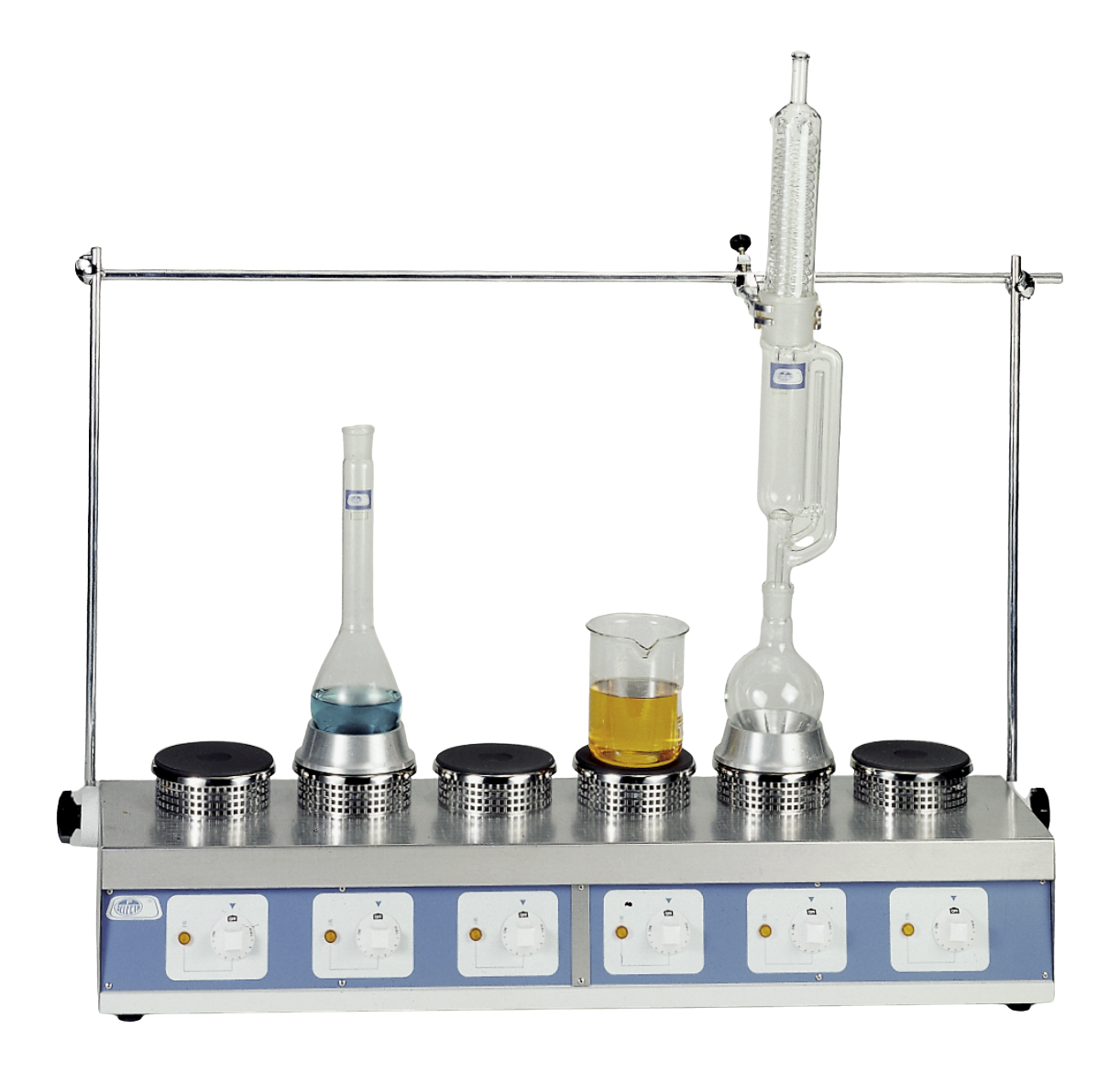
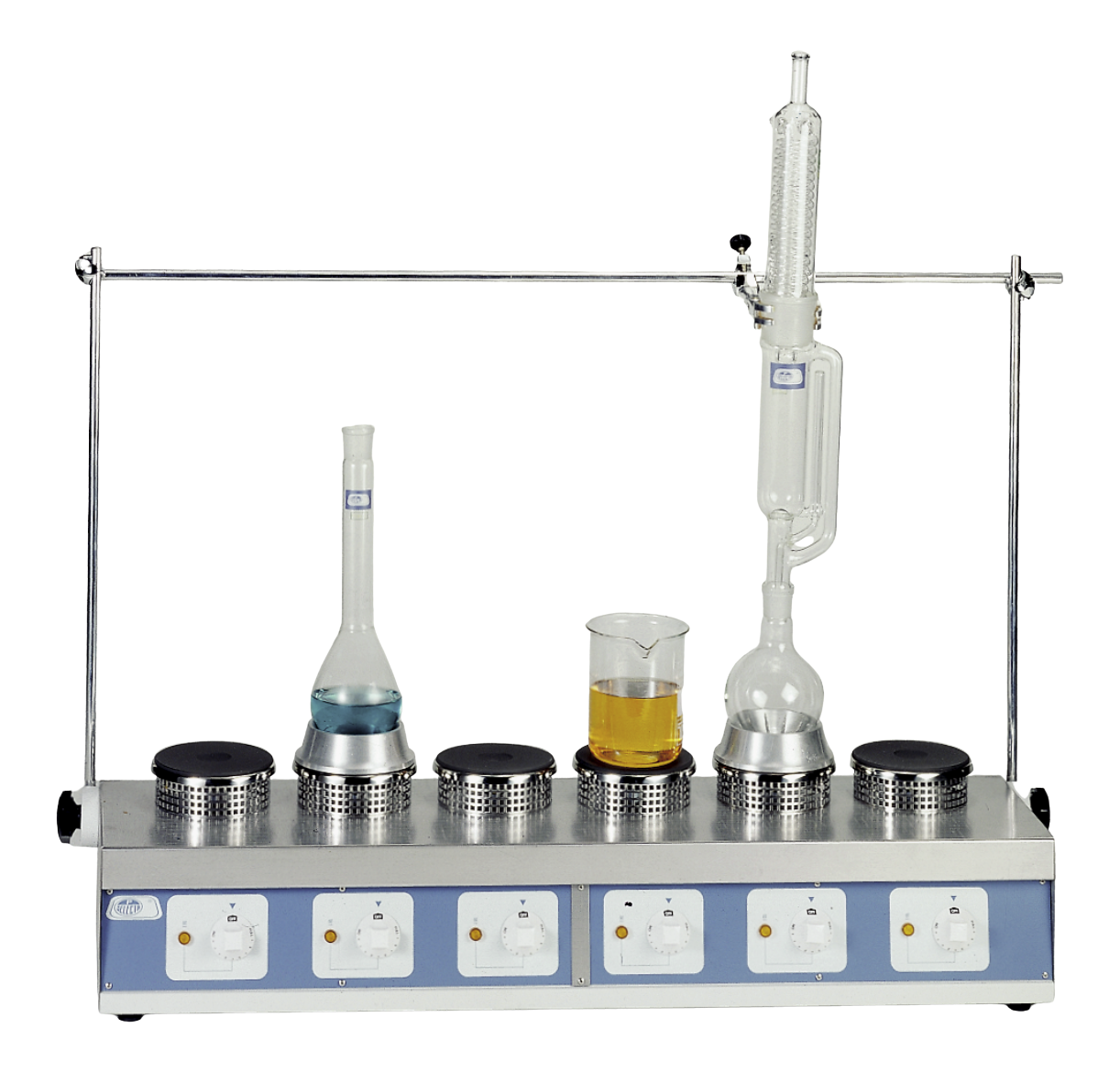
JP Selecta laboratory heating plates
JP Selecta laboratory heating plates and mantles provide uniform heating surfaces for evaporation, acid digestion, sample drying and temperature holding of laboratory vessels.
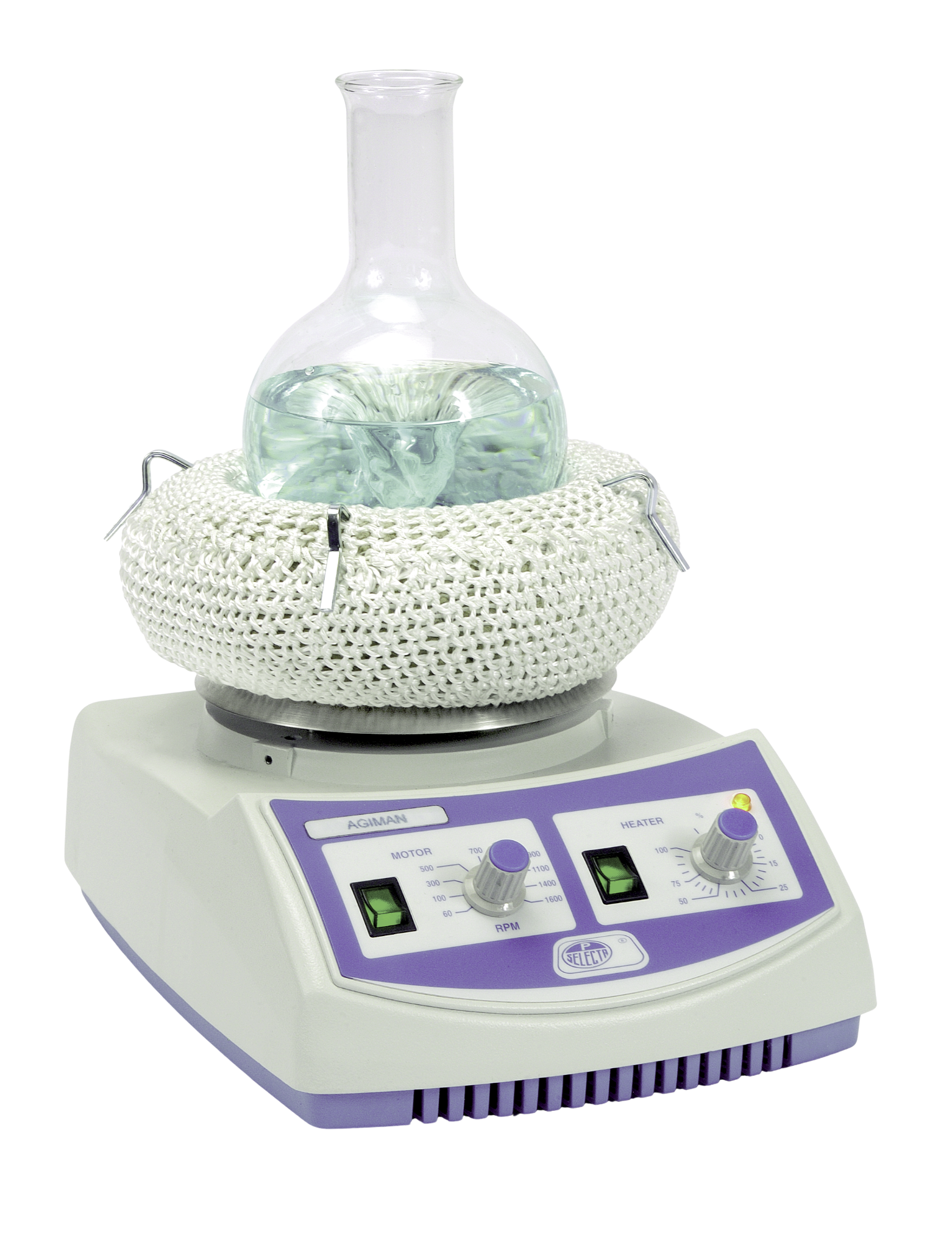
Our models include plain heating plates, plates with integrated magnetic stirring and multi-position systems for parallel sample processing.
All units integrate ceramic glass or non-deformable steel surfaces, energy controls or digital thermostats and safety indicators, and are compatible with data-logging software for GMP compliance.
Our heating plate range
Our instrumental heating line delivers robust thermal solutions engineered to process samples under absolute uniformity, covering an operating range from gentle thermal stabilisation up to extreme surface temperatures of 400 °C.
Heating plates without stirring
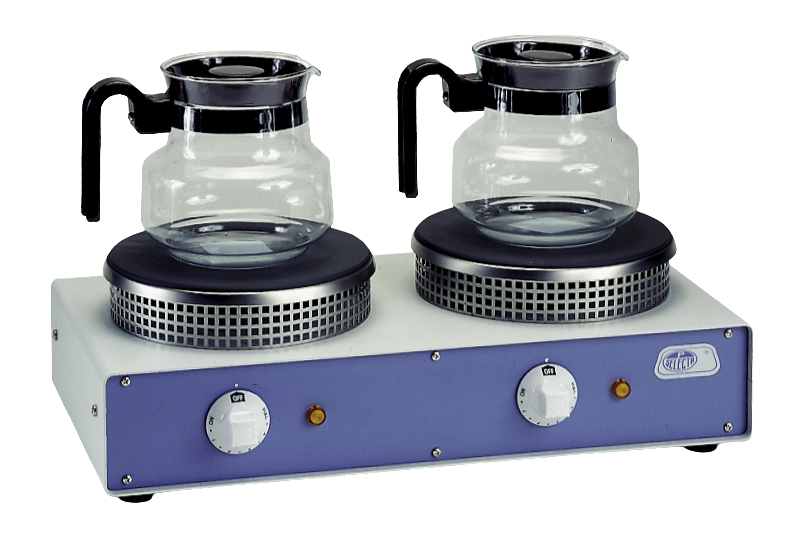
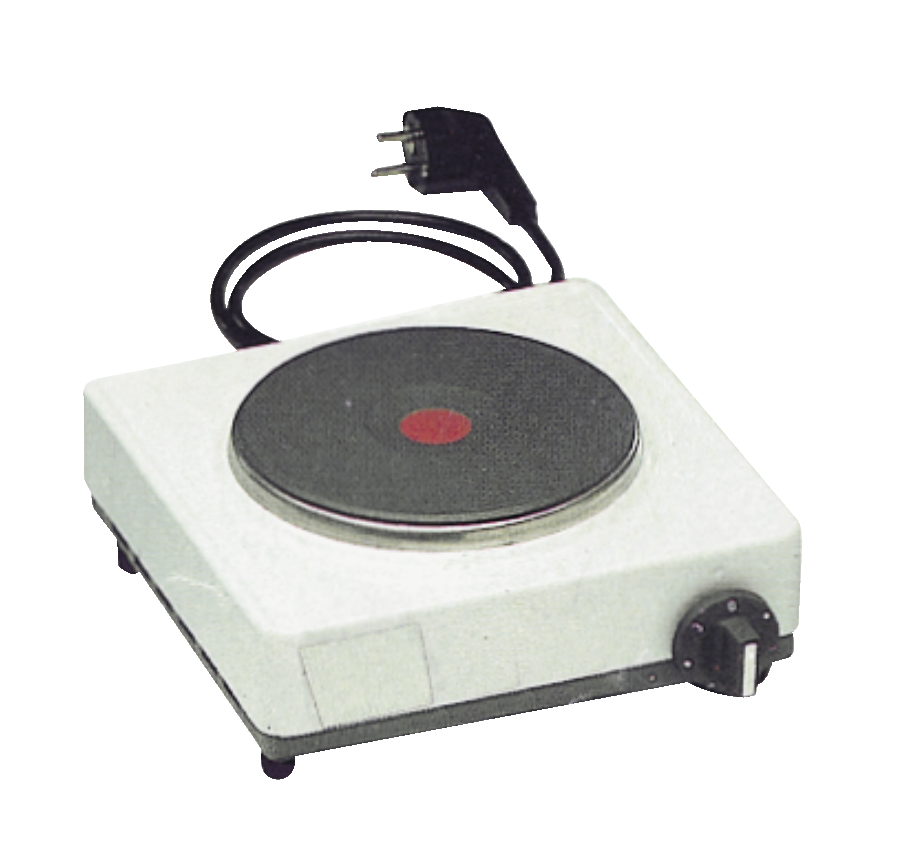
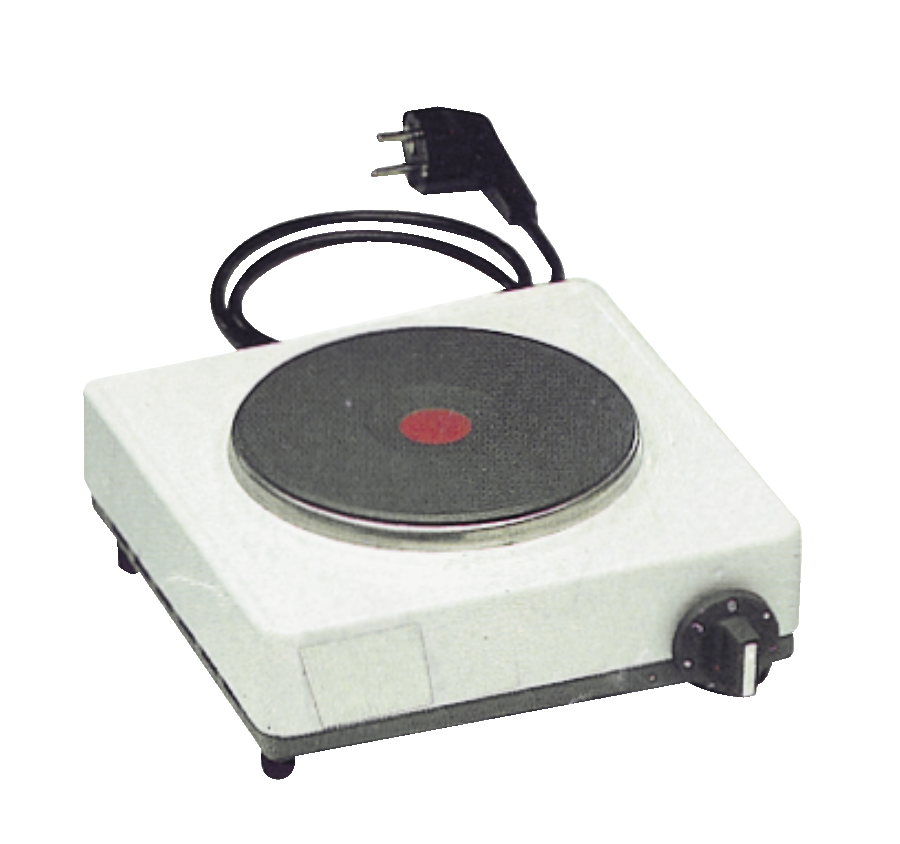
Circular plates — single and double: The conventional circular model features a non-deformable steel heating plate of 15 or 19 cm diameter with surrounding resistors and a 6-power selector. The double Duplac version operates up to 400 °C with independent pulse-energy regulation per station. The Combiplac 20 cm circular model includes electronic energy regulation from 0 to 100 % and rear connector for digital thermometers.
Ceramic-glass plates Ceramic-Plac: Designed for intensive use, these units feature an AISI 304 stainless steel outer cabinet and a smooth surface unaltered by thermal shock and corrosive chemical agents. They withstand massive loads of up to 40 kg.
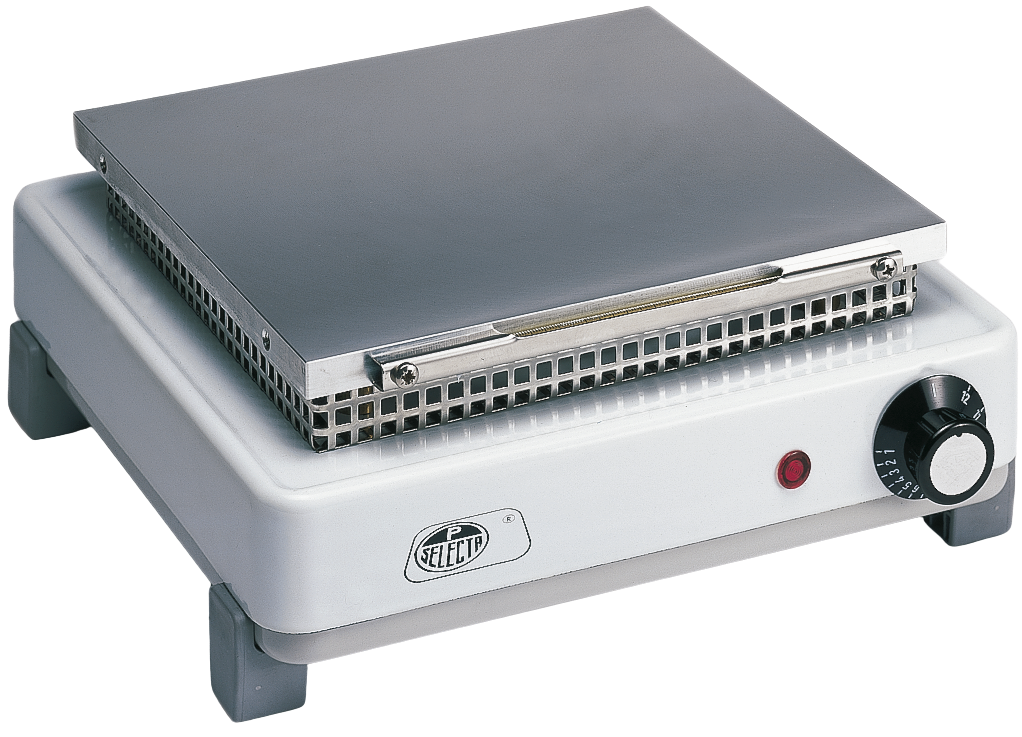
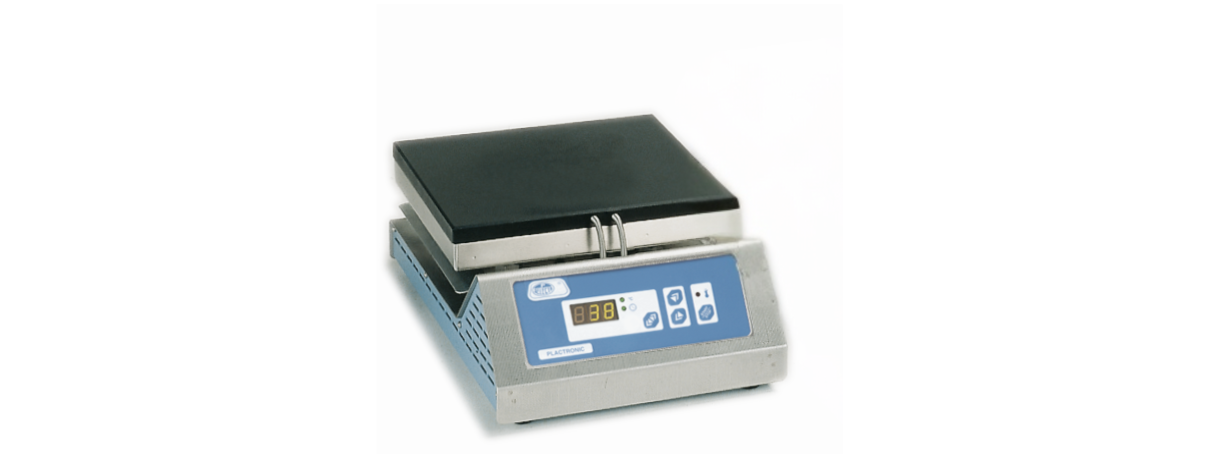
Rectangular plates Combiplac, Plactronic and Placfin: The Combiplac rectangular series offers powers up to 2800 W with electronic energy regulation from 0 to 100 %. For high-fidelity thermal tests (not suitable for boiling), the Plactronic series regulates from ambient +5 °C to 200 °C with ±0.5 °C stability through digital microprocessor, Pt100 probe and duraluminium surface coated with PTFE. The rectangular Placfin serves as a specialised thermal dryer up to 130 °C and accepts an accessory stainless steel tray with capacity for 18 slides.
Beyond laboratory heating plates, JP Selecta also offers specialised heating systems such as enveloping heating mantles, flexible heating tapes and heating cords for specific localised-heating applications.
JP Selecta heating technology
The thermal precision and operational safety of JP Selecta heating plates rest on three in-house manufacturing technologies. High-end models integrate Pt100 probes that read the real fluid temperature in real time, eliminating the setpoint error caused by thermal inertia.
The Ceramic-Plac family's glass-ceramic surfaces reach operating temperature limits in reduced times thanks to their infrared permeability and absolute thermal-shock resistance.
All under the EN 61010 standard, with over-temperature limiters, automatic thermostat protectors and, on the Fibroman mantles, a braided earth mesh that disperses any electrical leakage in case of breakage or spillage.
Why choose JP Selecta heating plates?
Selecting JP Selecta heating equipment means integrating decades of European engineering experience into your facility's routines.
Integral safety earth in the heating mesh
JP Selecta flask heating mantles incorporate a safety earth distributed uniformly across the entire interior surface of the mineral-wool mesh. This ensures that, if a flask with acidic or conductive reagents breaks, the current is instantly diverted to earth before reaching the liquid or the operator, eliminating the risk of critical electric shocks in the laboratory.
Heating elements with pure-nickel terminals
Our heating filaments are connected via internal pure-nickel terminals protected by insulating mineral-fibre tubing. The use of pure nickel completely prevents the flaking, galvanic oxidation and chemical-molecular degradation that common connections suffer at high temperatures (up to 400 °C), extraordinarily extending the heating element's service life.
Robust construction in duraluminium and stainless steel
We design our plate and mantle structures combining dur-aluminium cabinets with high-corrosion-resistant epoxy coating, plus tops and insulating separators strictly made in AISI 304 stainless steel. This ensures high structural mechanical robustness that tolerates spills and aggressive vapour atmospheres without suffering deformation or loss of electrical insulation.
Request a personalised quote
Our technical-commercial team will help you determine the product you need for your specific case. We analyse your workflow and recommend the tailored solution that maximises your laboratory's productivity.
Frequently Asked Questions
What warranty do JP Selecta heating plates equipment offer?
All JP Selecta heating plates equipment includes a 2-year warranty, official technical service in Spain, and an international network of certified distributors. We have original spare parts and continuous technical support.
Do you offer calibration service for heating plates equipment?
Yes, JP Selecta offers certified calibration service with international traceability (ISO 17025) for all heating plates equipment. The service can be performed on-site or at our facilities.
How to request a quote for heating plates equipment?
You can request a quote through our website contact form, by email (selecta@jpselecta.es), or by contacting our sales team directly at +34 93 770 08 77. We offer personalized advice.
What is the difference between a heating plate and a water bath?
The plate transmits heat by conduction or infrared radiation up to 400 °C, indicated for boiling, distillation or acid digestion. The water bath operates by liquid convection with a physical 100 °C ceiling, offering greater thermal uniformity for biological samples or heat-sensitive substances.
Why do I need control with an external Pt100 probe?
The plate surface can be at 300 °C while the inner fluid barely reaches 80 °C. Without an external probe, the unit heats without a real reference. The Pt100 feeds the liquid temperature directly to the microprocessor, which adapts the power and ensures ±0.5–1 °C stability.
Heating plate with stirring or a separate magnetic stirrer?
The plate with integrated stirring is the most compact solution for processes combining heat and mixing simultaneously. If heating and stirring are usually performed separately, buying the units independently maximises bench versatility.
Are JP Selecta plates compatible with every type of vessel?
Flat plates (Ceramic-Plac, Plactronic) are compatible with any flat-bottomed vessel: beakers, Erlenmeyer flasks or borosilicate bottles. Fibroman mantles have a hemispherical geometry and are designed exclusively for round flasks for distillation, boiling or spherical reactors.