Rotary Evaporators
60 equipment available
Reduced-pressure evaporation with ISO 3585 borosilicate 3.3 flasks. Complete systems compatible with EPA 3540C, USP <1058> and ICH Q7 guidelines for organic synthesis and purification.
Rotary Evaporator
515571011
Hei-VAP Core HL G1 Diagonal
5571013
Hei-VAP Core HL G3 Vertical
5571135
Hei-VAP Core HL G3 XL Vertical
5571015
Hei-VAP Core HL G5 Dry Ice Condenser
5571016
Hei-VAP Core HL G6 Vertical for reflux
5572011
Hei-VAP Core ML G1 Diagonal
5572013
Hei-VAP Core ML G3 Vertical
5572135
Hei-VAP Core ML G3 XL Vertical
5572015
Hei-VAP Core ML G5 Dry Ice Condenser
5572016
Hei-VAP Core ML G6 Vertical for reflux
5573021
Hei-VAP Expert Control HL G1 Diagonal
5573023
Hei-VAP Expert Control HL G3 Vertical
5573235
Hei-VAP Expert Control HL G3 XL Vertical
5573025
Hei-VAP Expert Control HL G5 Dry Ice Condenser
5573026
Hei-VAP Expert Control HL G6 Vertical for reflux
5574021
Hei-VAP Expert Control ML G1 Diagonal
5574023
Hei-VAP Expert Control ML G3 Vertical
5574235
Hei-VAP Expert Control ML G3 XL Vertical
5574025
Hei-VAP Expert Control ML G5 Dry Ice Condenser
5574026
Hei-VAP Expert Control ML G6 Vertical for reflux
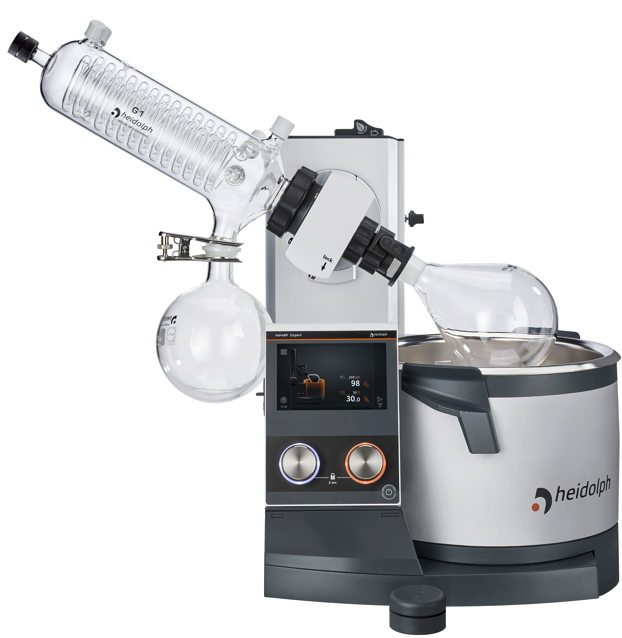
5573011
Hei-VAP Expert HL G1 Diagonal
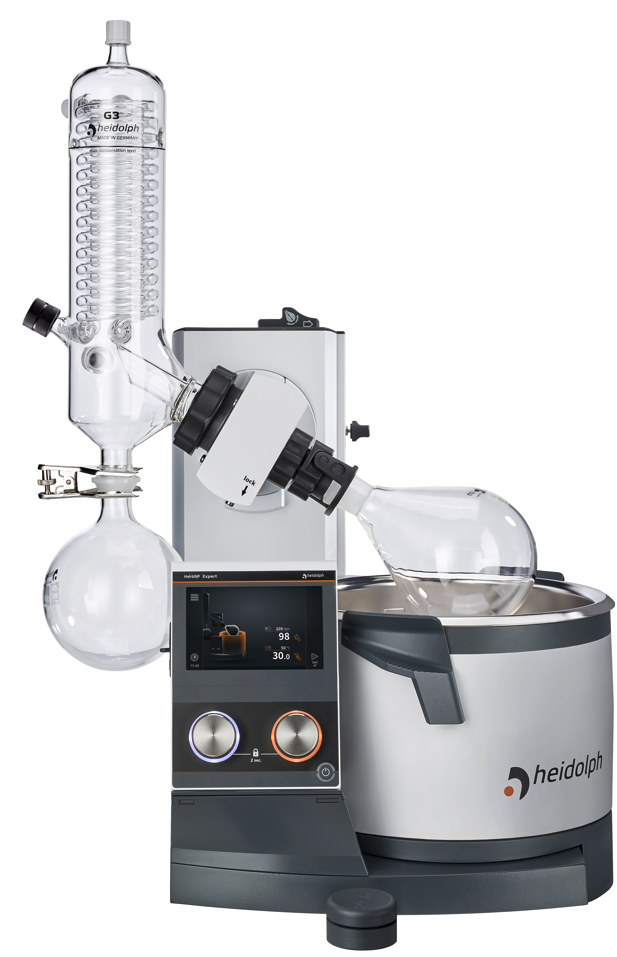
5573013
Hei-VAP Expert HL G3 Vertical
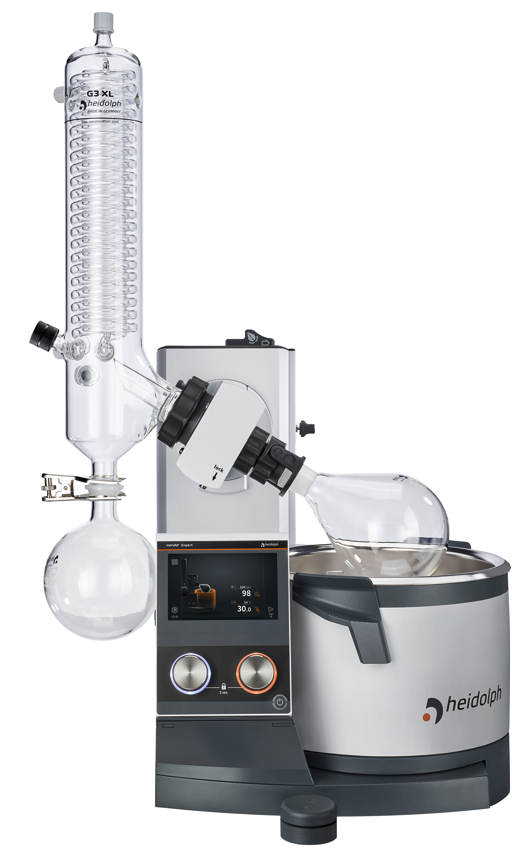
5573135
Hei-VAP Expert HL G3 XL Vertical
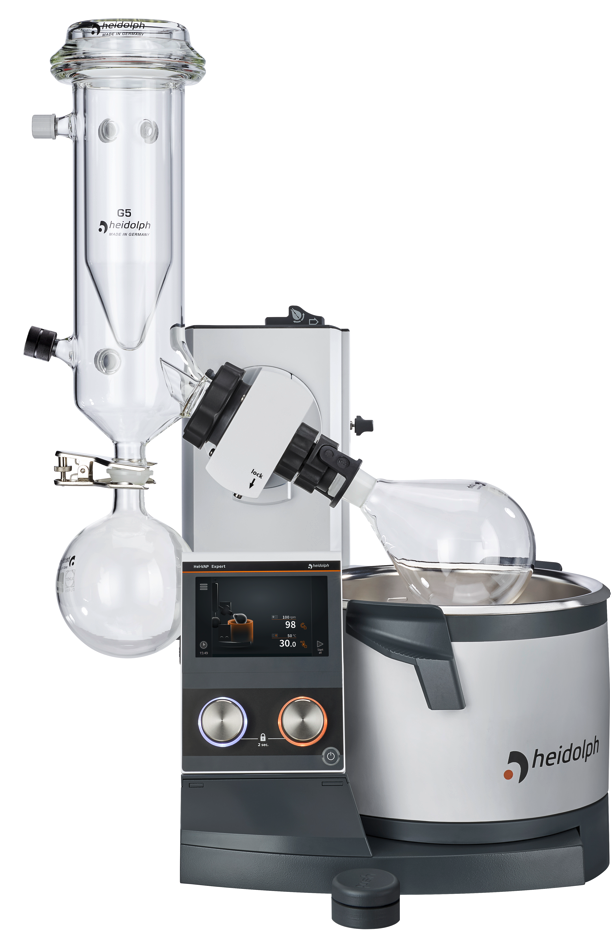
5573015
Hei-VAP Expert HL G5 Dry Ice Condenser
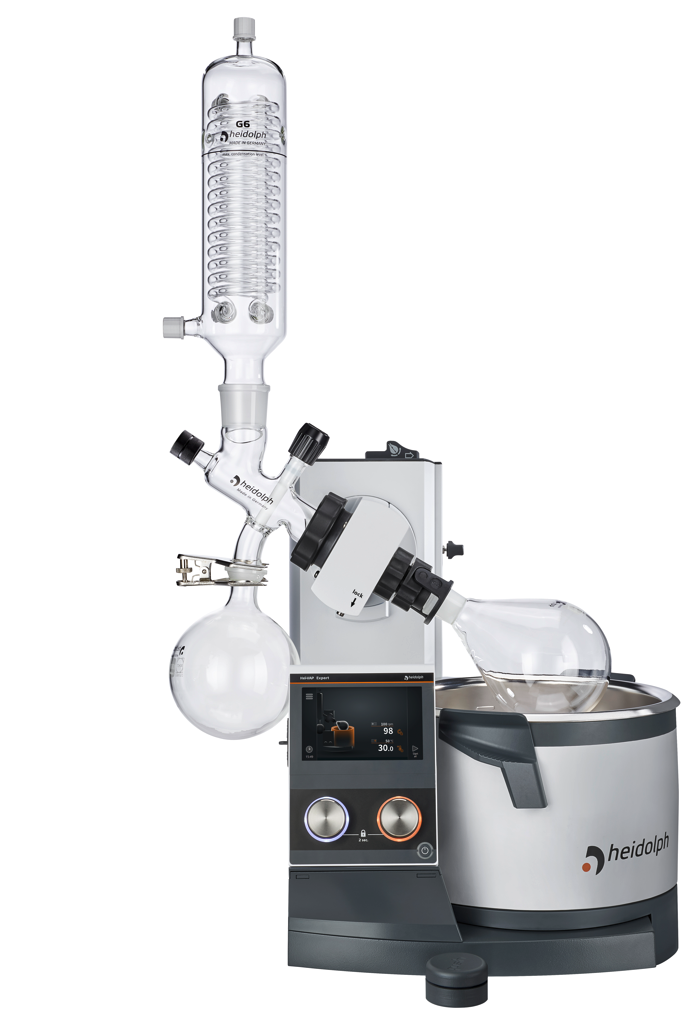
5573016
Hei-VAP Expert HL G6 Vertical for reflux
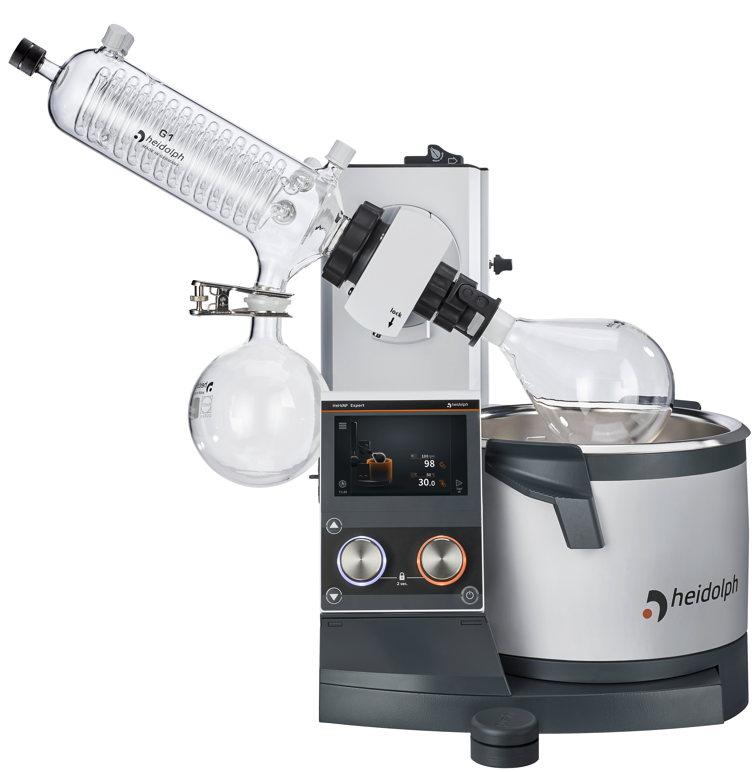
5574011
Hei-VAP Expert ML G1 Diagonal
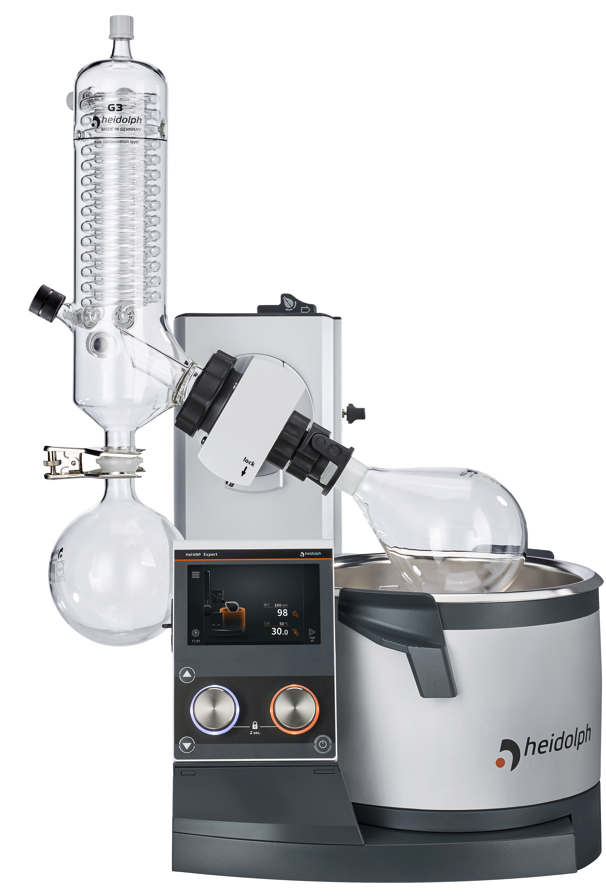
5574013
Hei-VAP Expert ML G3 Vertical
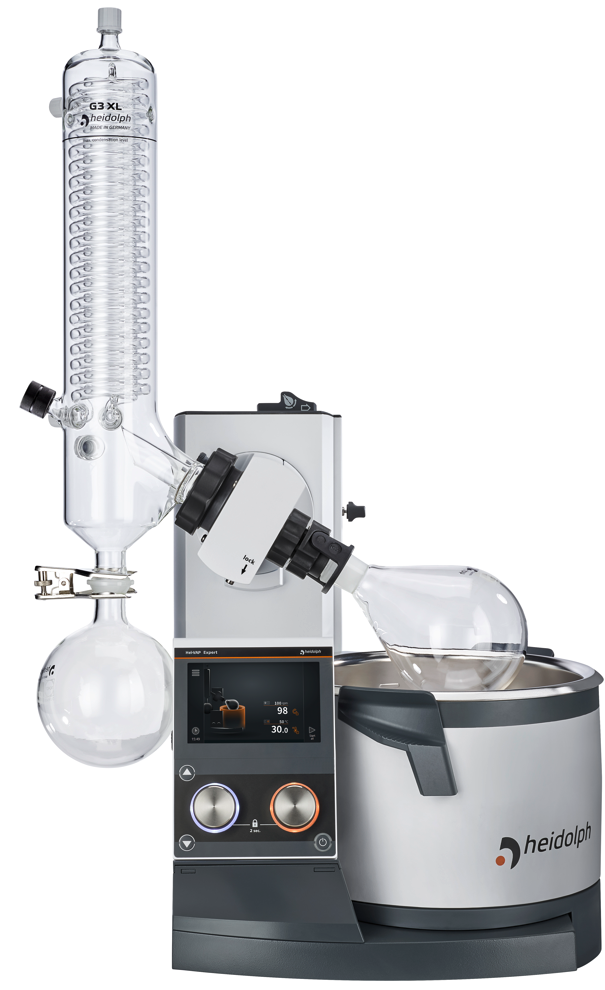
5574135
Hei-VAP Expert ML G3 XL Vertical
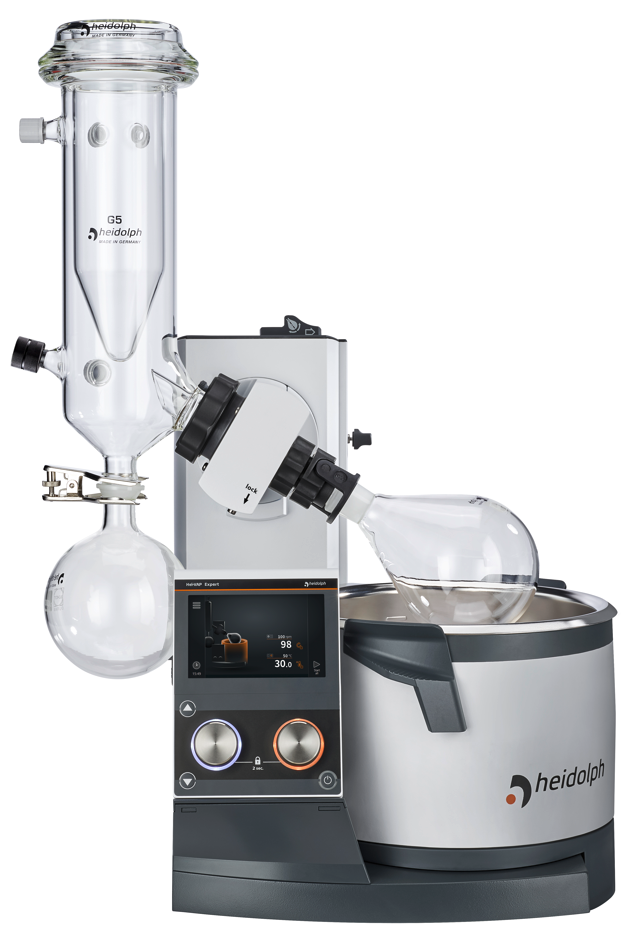
5574015
Hei-VAP Expert ML G5 Dry Ice Condenser
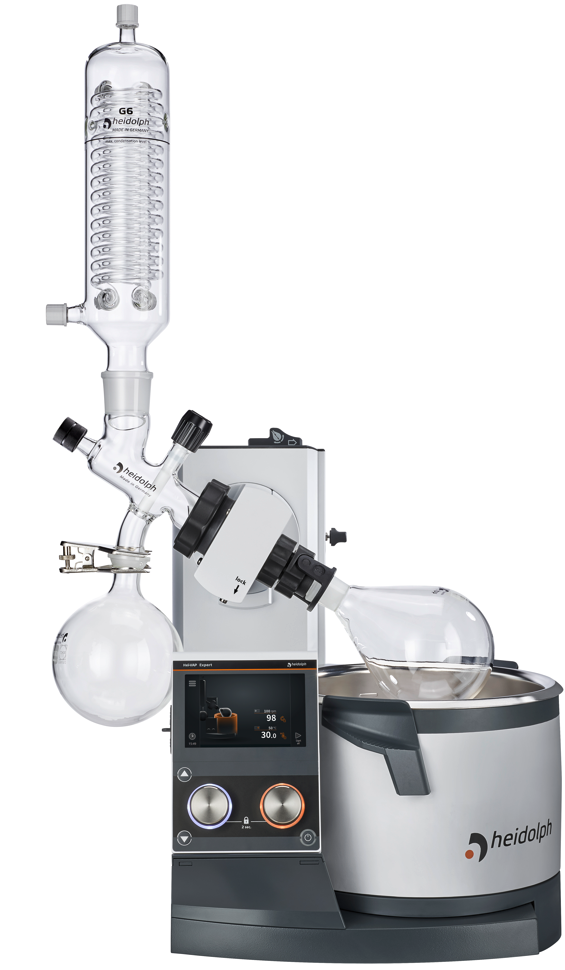
5574016
Hei-VAP Expert ML G6 Vertical for reflux
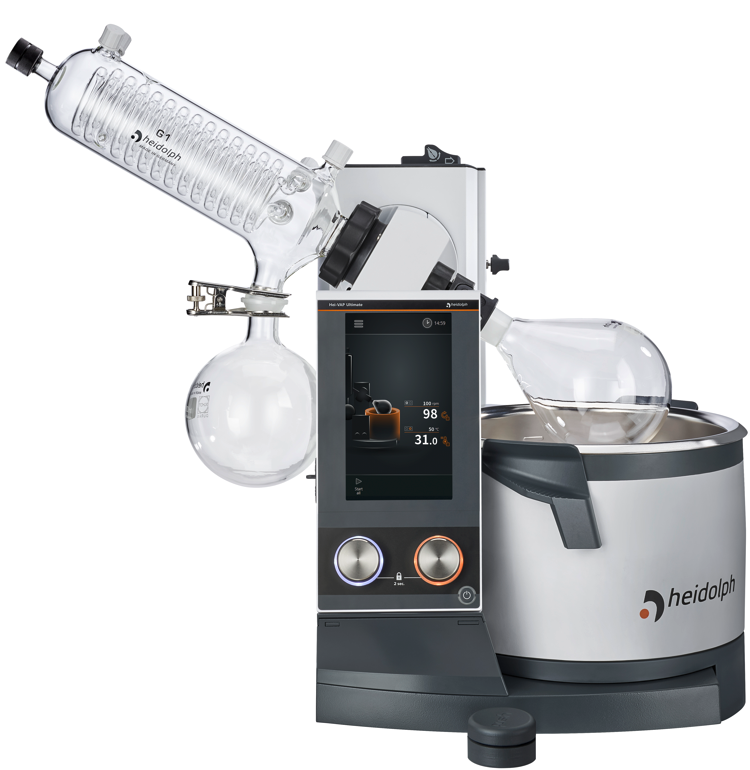
5575021
Hei-VAP Ultimate Control HL G1 Diagonal
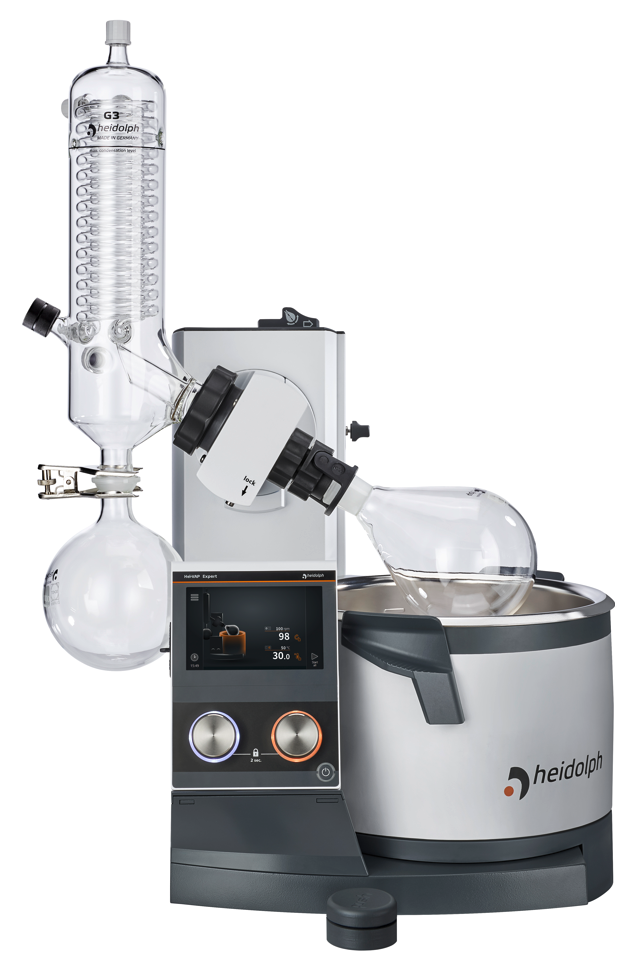
5575023
Hei-VAP Ultimate Control HL G3 Vertical
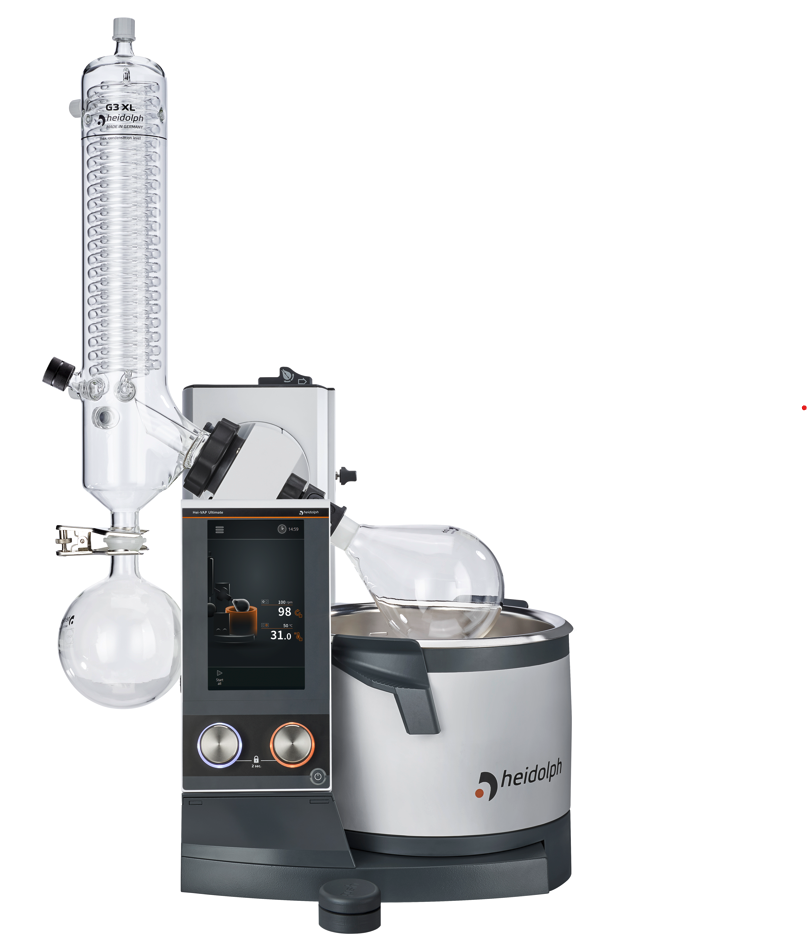
5575235
Hei-VAP Ultimate Control HL G3 XL Vertical
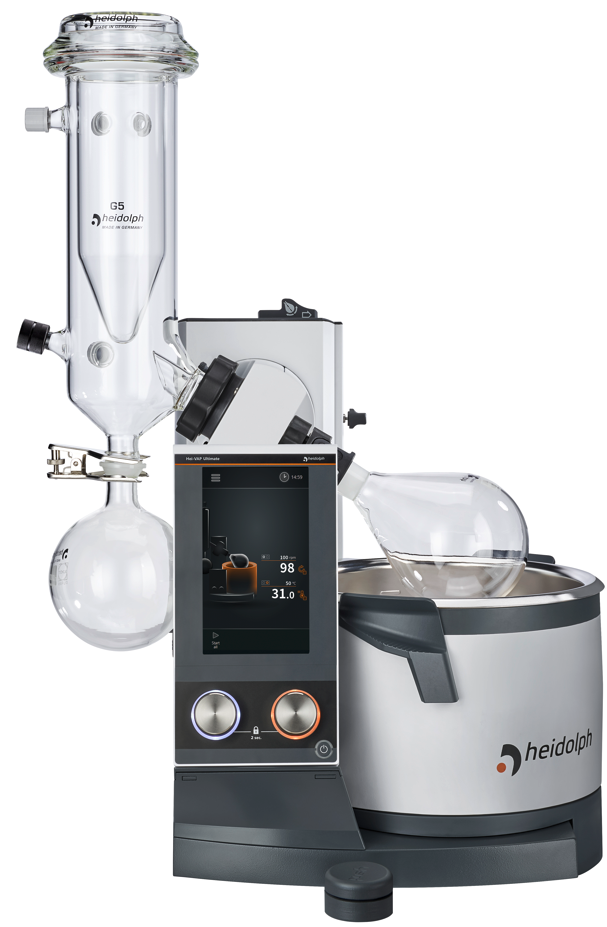
5575025
Hei-VAP Ultimate Control HL G5 Dry Ice Condenser
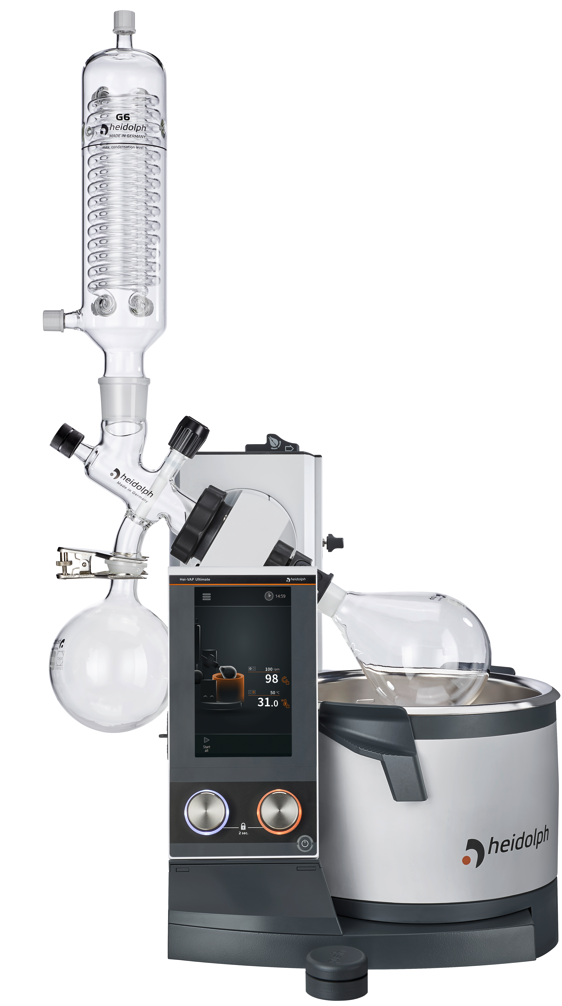
5575026
Hei-VAP Ultimate Control HL G6 Vertical for reflux
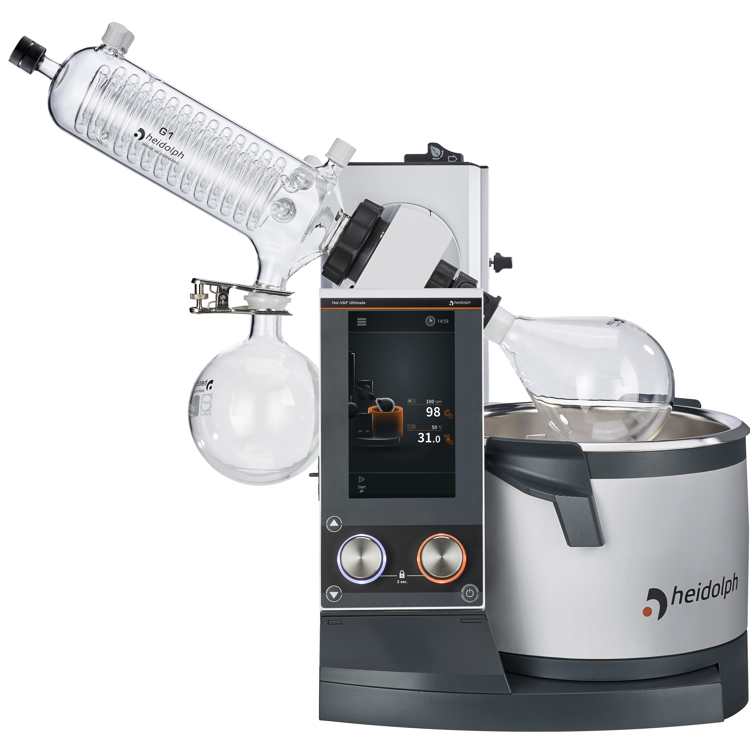
5576021
Hei-VAP Ultimate Control ML G1 Diagonal
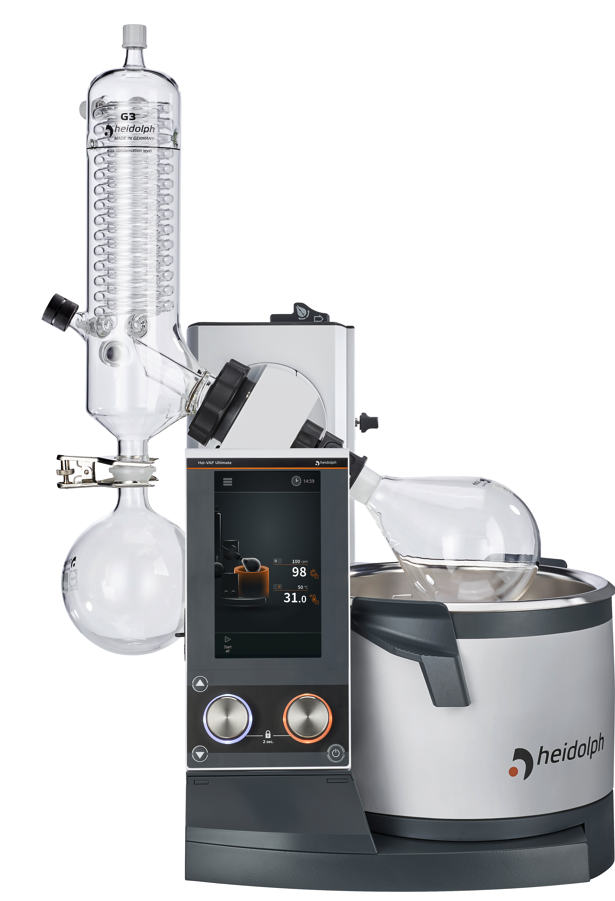
5576023
Hei-VAP Ultimate Control ML G3 Vertical
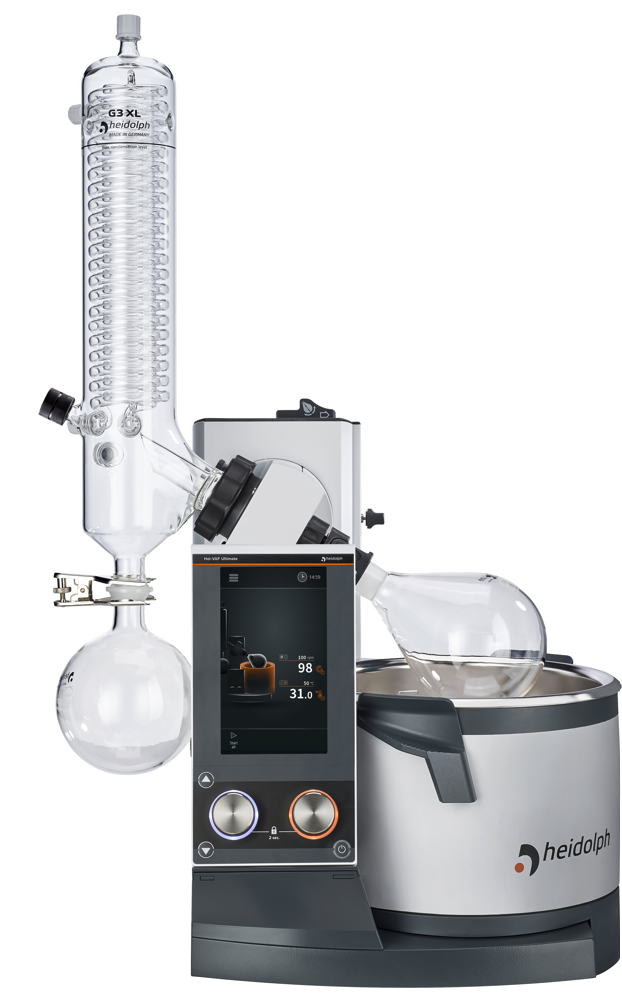
5576235
Hei-VAP Ultimate Control ML G3 XL Vertical
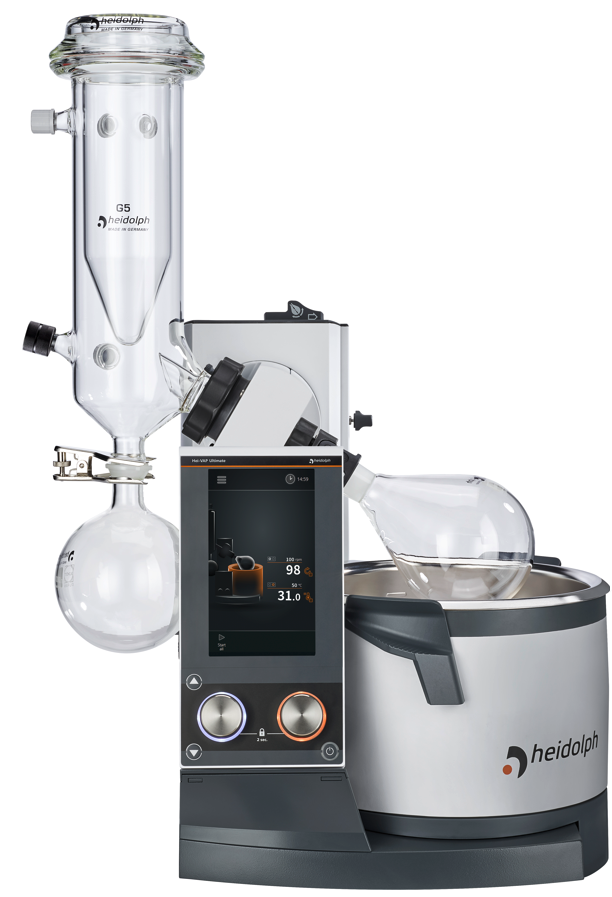
5576025
Hei-VAP Ultimate Control ML G5 Dry Ice Condenser
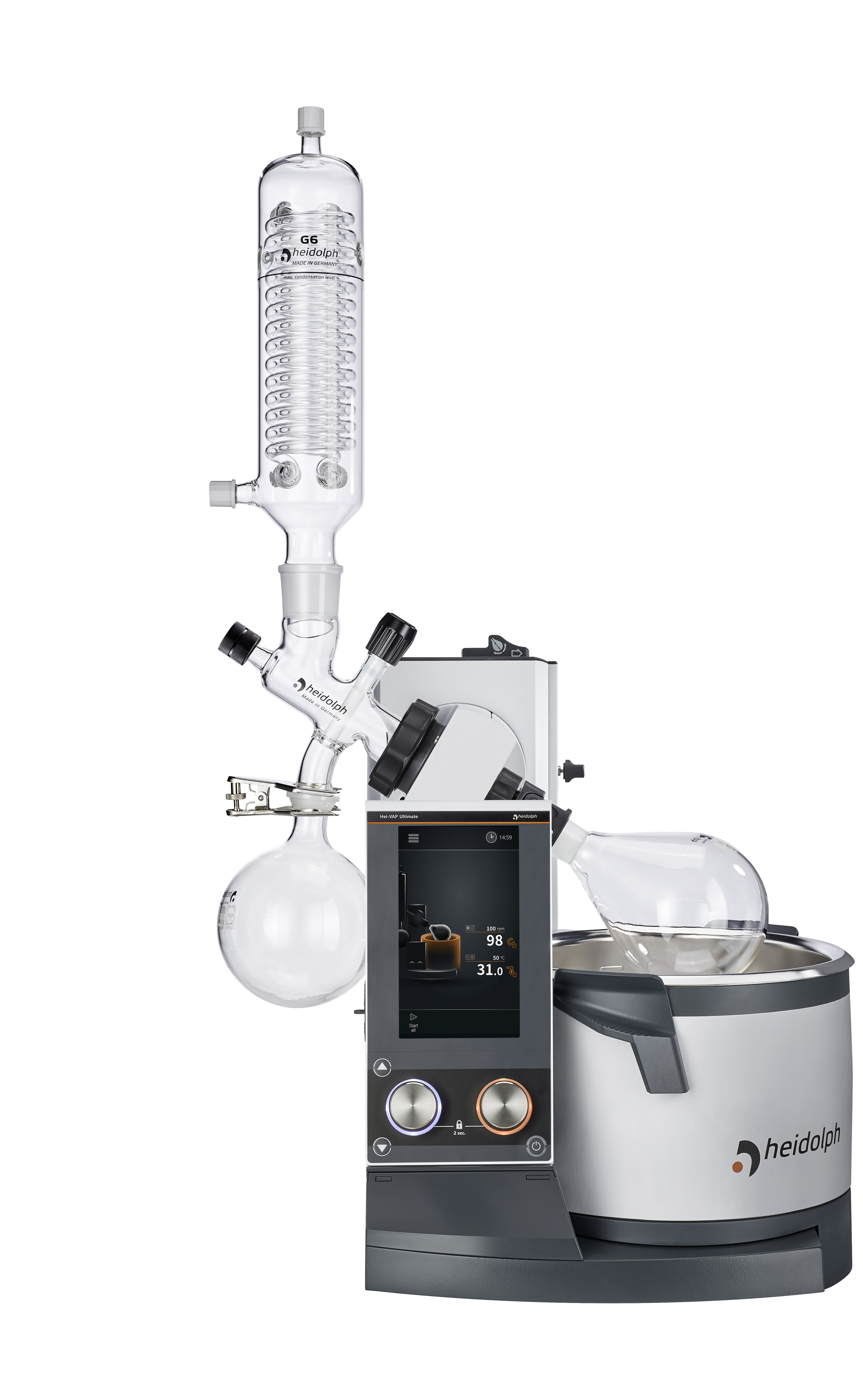
5576026
Hei-VAP Ultimate Control ML G6 Vertical for reflux
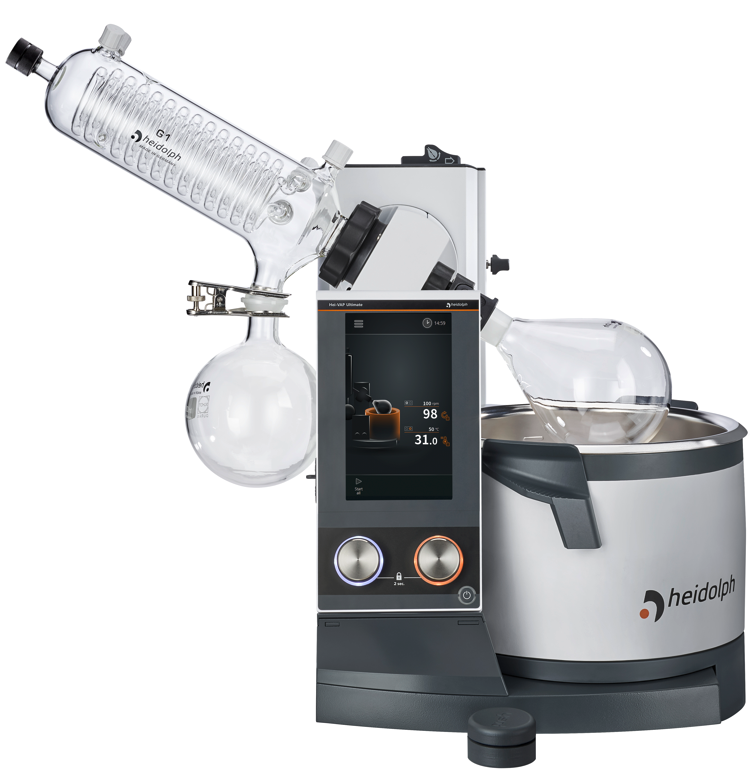
5575011
Hei-VAP Ultimate HL G1 Diagonal
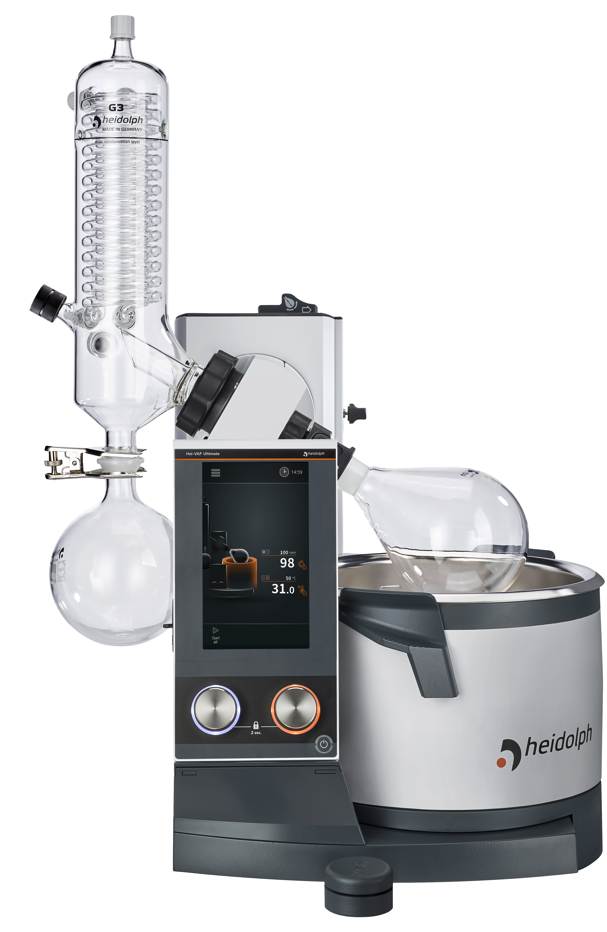
5575013
Hei-VAP Ultimate HL G3 Vertical
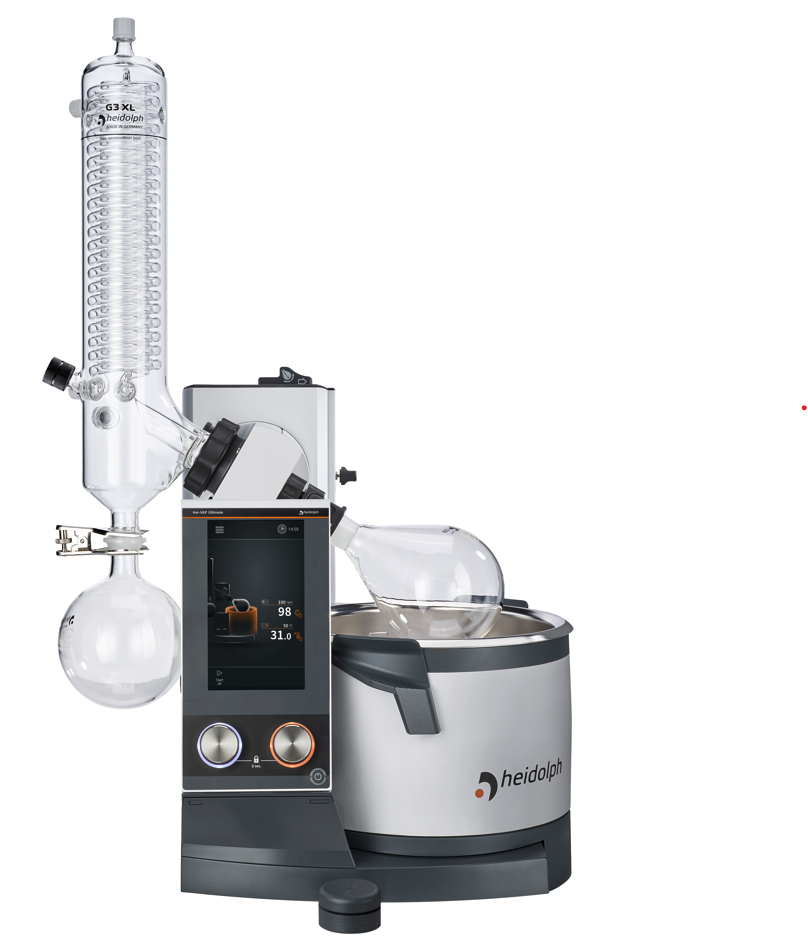
5575135
Hei-VAP Ultimate HL G3 XL Vertical
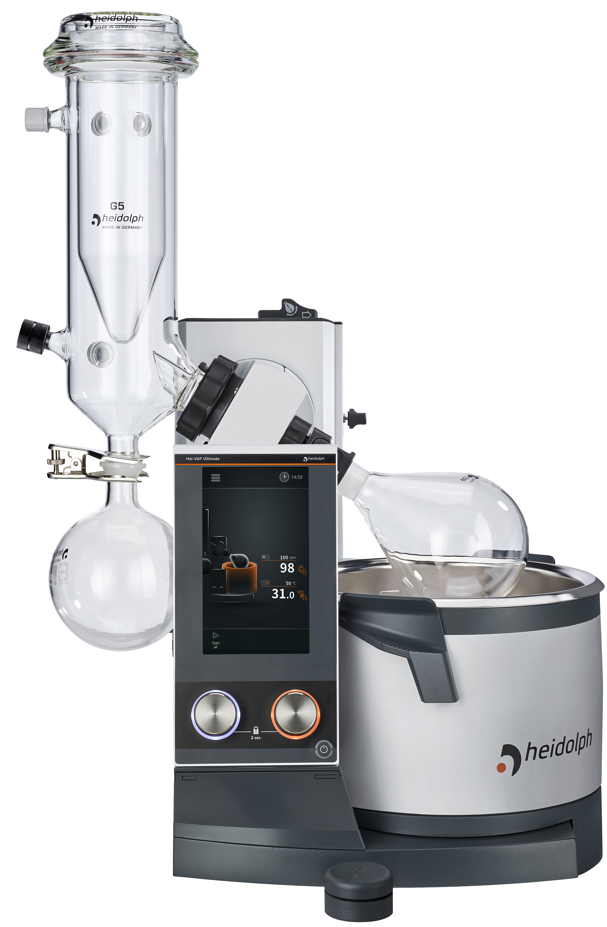
5575015
Hei-VAP Ultimate HL G5 Dry Ice Condenser
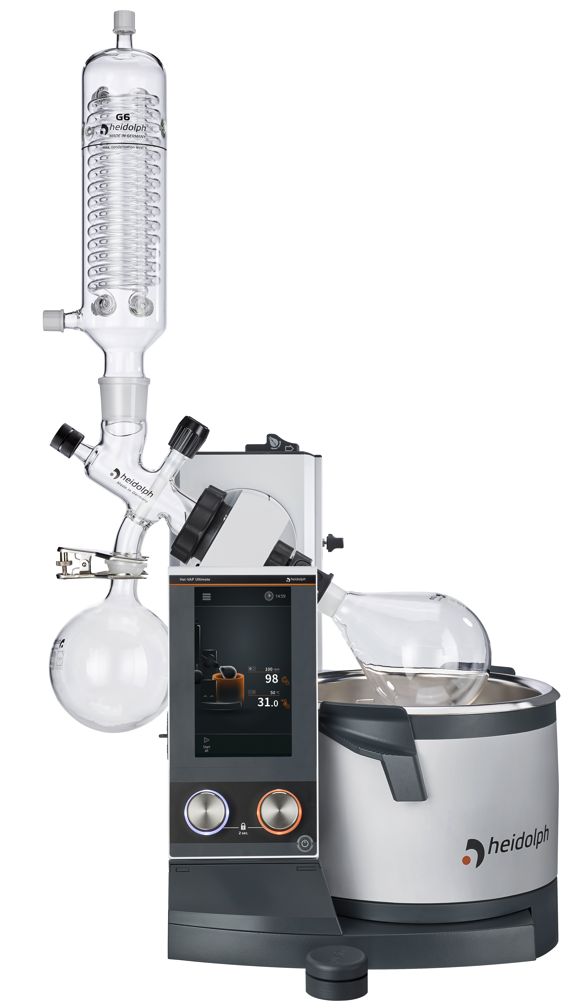
5575016
Hei-VAP Ultimate HL G6 Vertical for Reflux
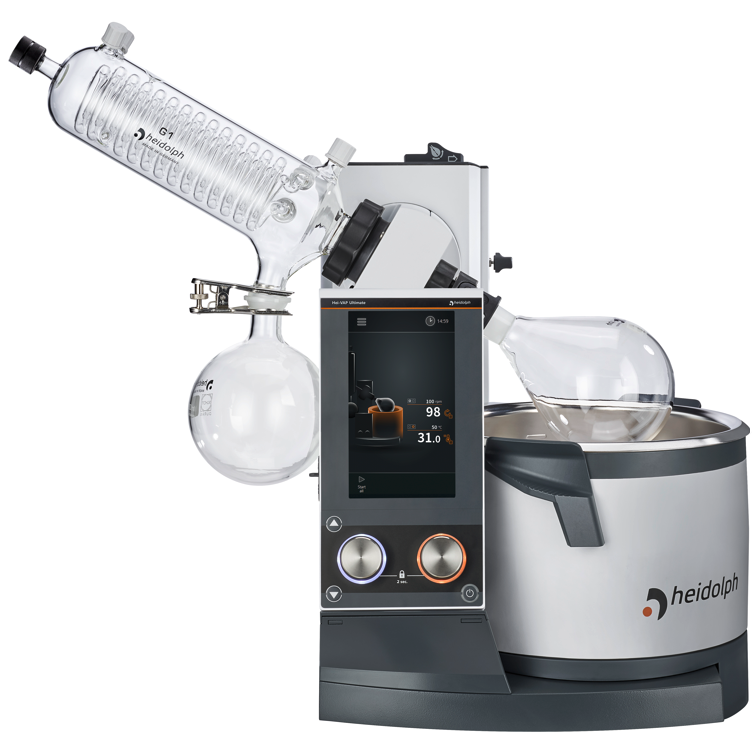
5576011
Hei-VAP Ultimate ML G1 Diagonal
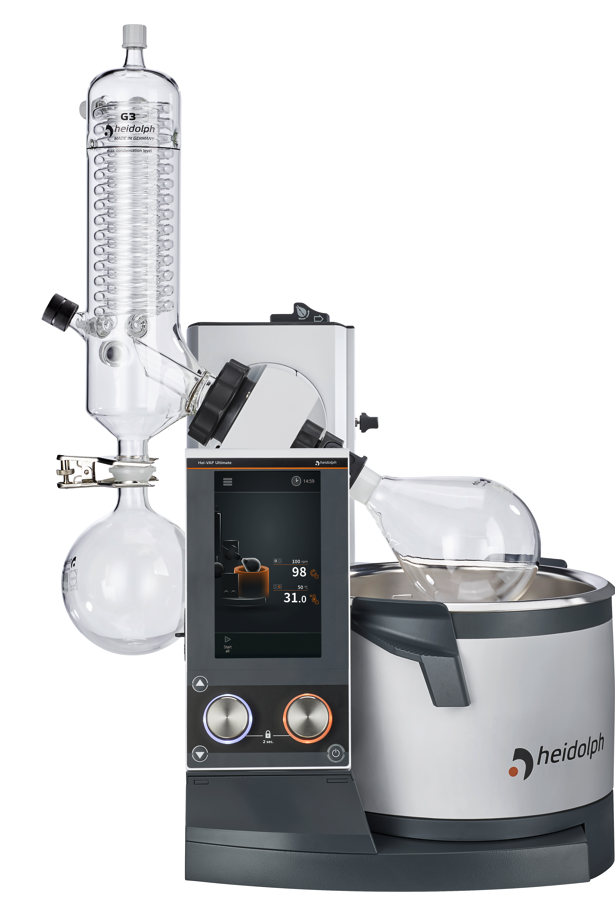
5576013
Hei-VAP Ultimate ML G3 Vertical
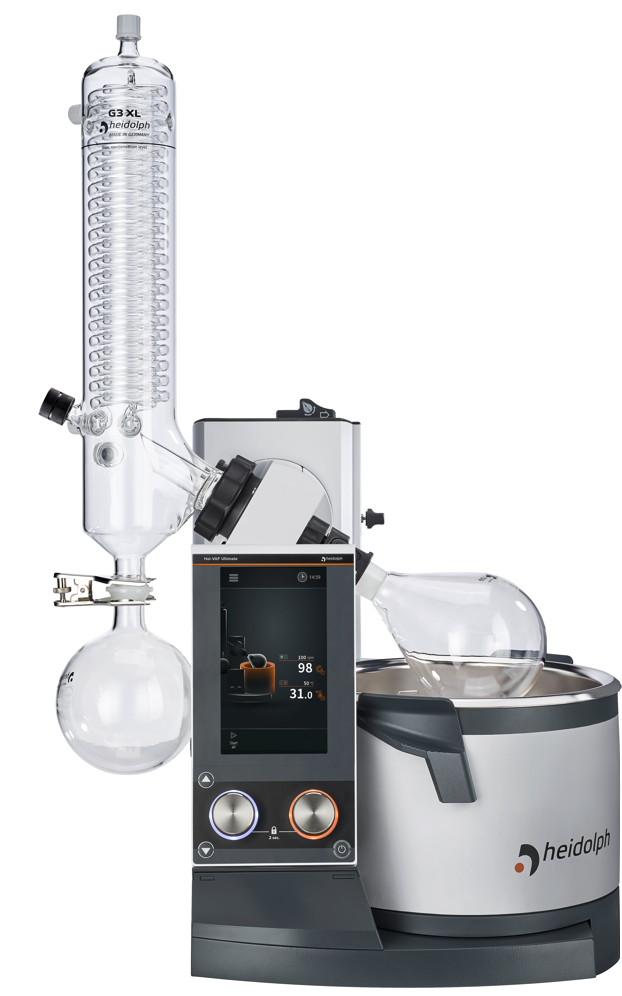
5576135
Hei-VAP Ultimate ML G3 XL Vertical
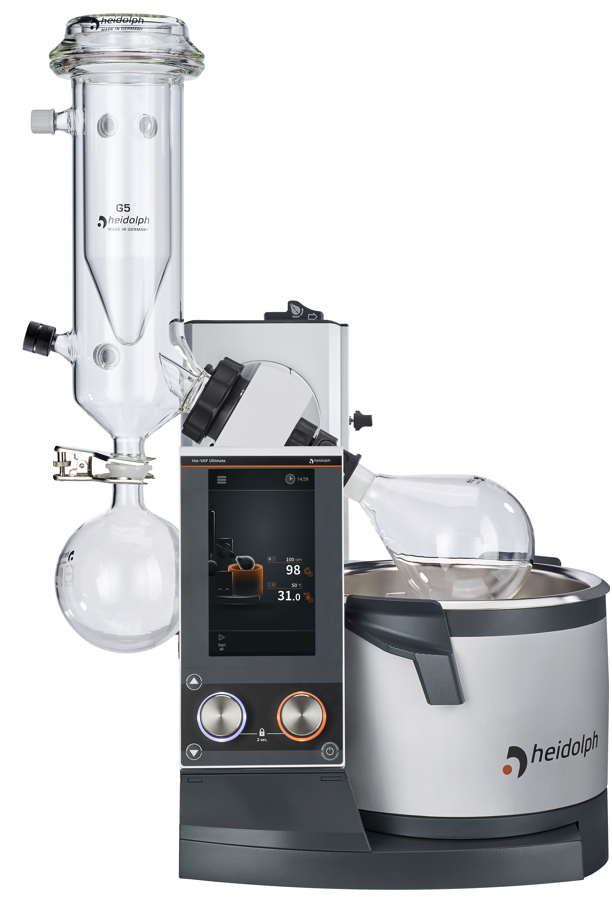
5576015
Hei-VAP Ultimate ML G5 Dry Ice Condenser
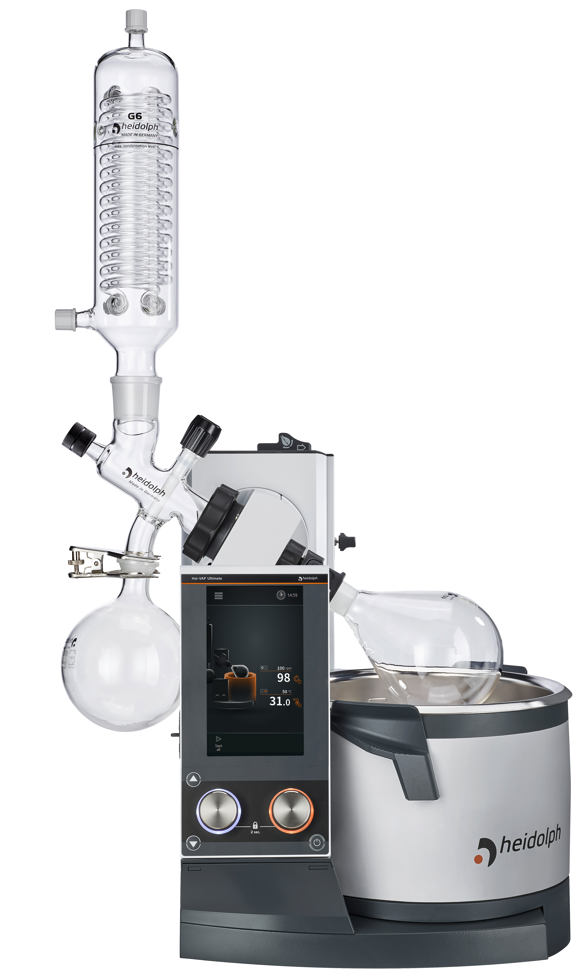
5576016
Hei-VAP Ultimate ML G6 Vertical for Reflux
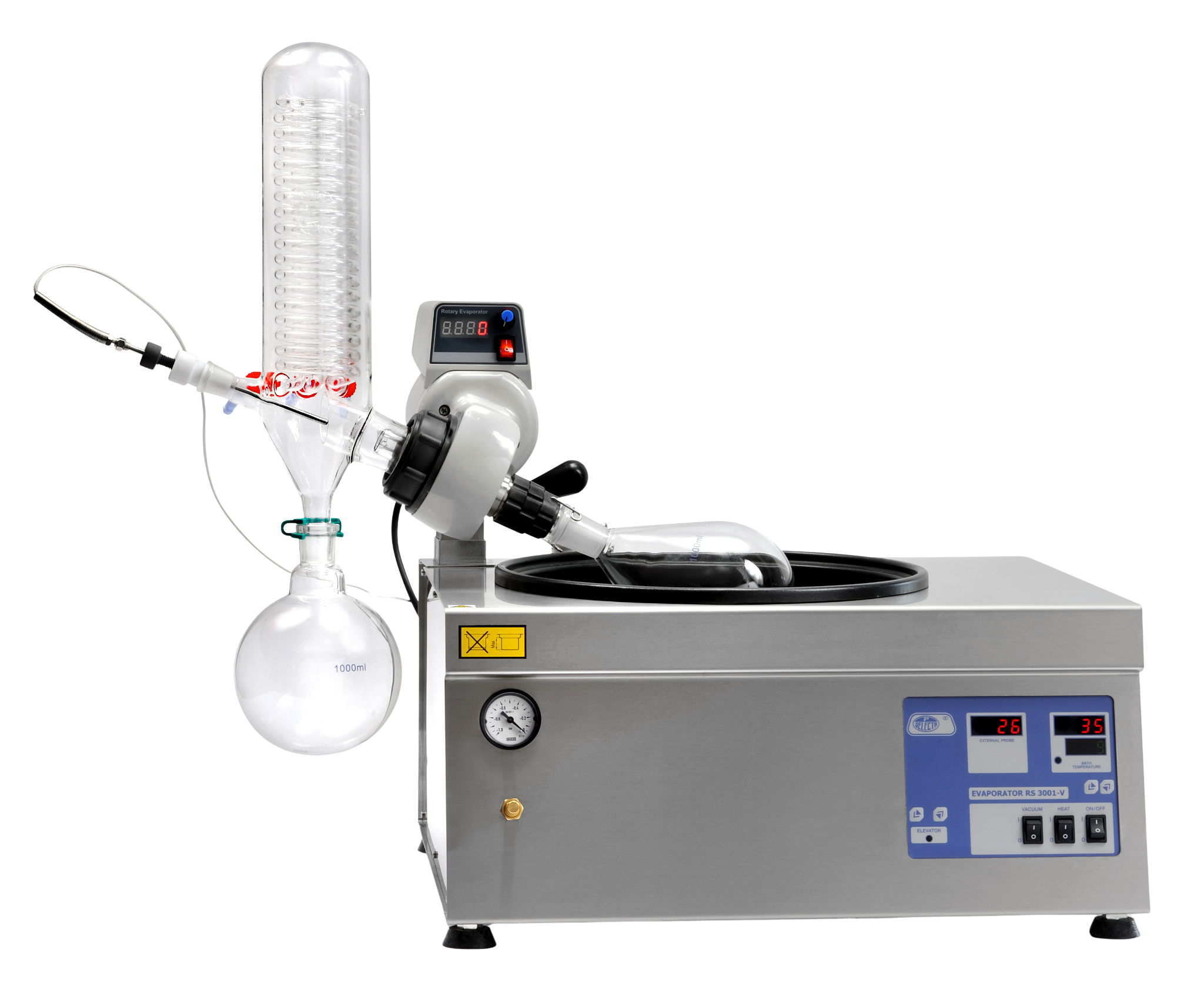
6003001
RS 3001-V Food
Industrial evaporator
9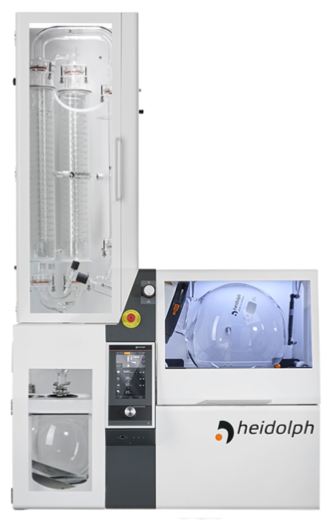
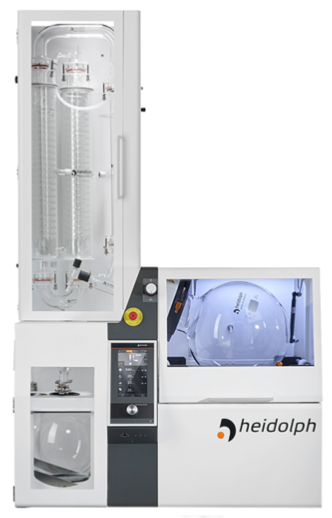
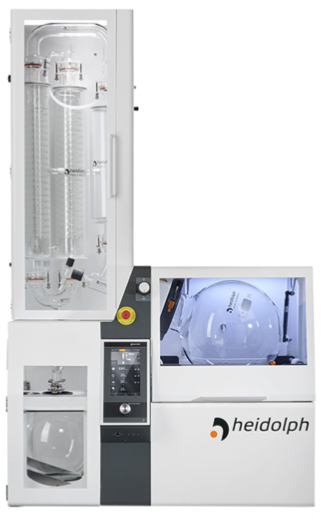
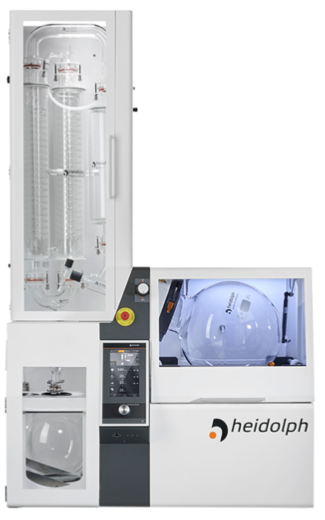
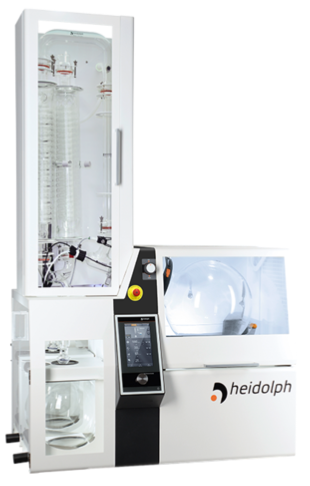
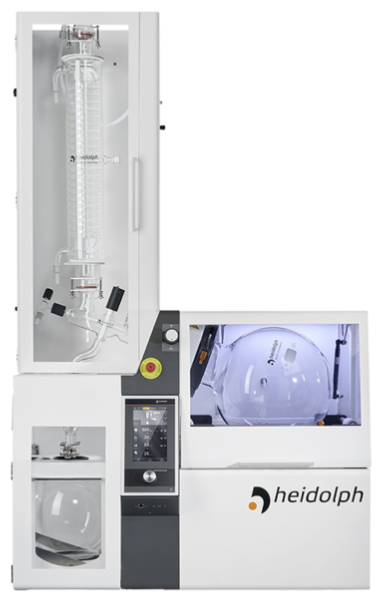
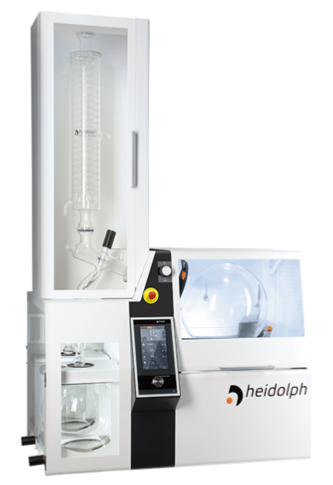
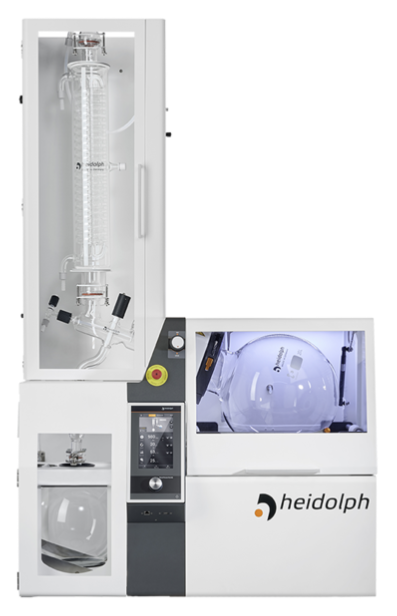
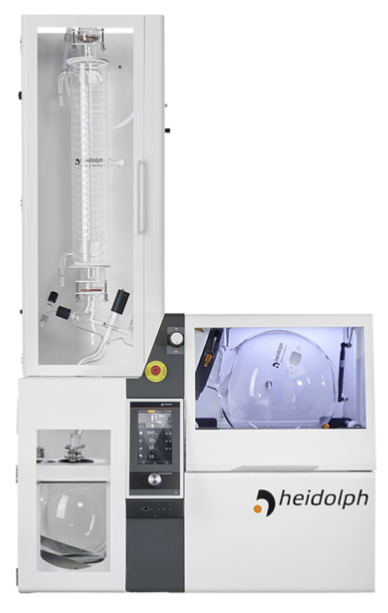
JP Selecta rotary evaporators enable efficient solvent evaporation under reduced pressure and controlled temperature, a fundamental technique in organic synthesis, extract purification, sample concentration and solvent recovery. The rotary evaporator requires a vacuum pump and a heating bath to complete the system.
The operating principle combines rotation of the evaporation flask, heating via a thermostated water bath, controlled vacuum and condensation in a refrigerated coil. Rotation generates a thin liquid film that multiplies the evaporation surface area, significantly reducing process time and the temperature required to evaporate the solvent. Flasks and coils are manufactured in borosilicate glass 3.3 per ISO 3585, which guarantees thermal shock resistance and chemical resistance to most organic solvents.
The range includes compact rotary evaporators for 1 to 5 litre volumes and professional systems with brushless motor, digital rotation speed control from 20 to 280 rpm, motorized flask lift and PID-controlled heating bath. Volumetric calibration of flasks follows ISO 4787 on laboratory glass and plastic ware - volumetric instruments, methods for testing of capacity and for use.
Applications cover evaporation of organic phases after liquid-liquid extraction in organic chemistry, concentration of natural extracts in pharmaceutical and cosmetic industries, solvent recovery for reuse, and solvent separation in analytical methods such as EPA SW-846 Method 3540C on Soxhlet extraction with rotary-evaporation concentration. For chemical nomenclature, see the IUPAC Blue Book and the Royal Society of Chemistry editorial resources.
Regarding regulatory compliance, JP Selecta rotary evaporators are aligned with the analytical instrument qualification principles of USP <1058> and with Good Manufacturing Practices for active pharmaceutical ingredients described in the ICH Q7 guideline, as well as with the general guidance on FDA process validation.
Manufactured in Abrera under ISO 9001:2015, ISO 14001:2015 and ISO 13485:2018 certifications, JP Selecta rotary evaporators include complete glassware kit, standard vacuum fittings, official technical service and guaranteed supply of replacement glassware. Request a quote for complete rotary evaporation systems including vacuum pump, controller and heating bath.
Frequently Asked Questions
What is a rotary evaporator and how does it work?
A rotary evaporator combines flask rotation, vacuum, and heating to evaporate solvents quickly and efficiently at temperatures below boiling point. It is used in chemical synthesis, extraction, and sample concentration.
What is the difference between an analog and a digital rotary evaporator?
Digital models offer precise control of rotation speed and temperature with display, memorizable programs, and greater reproducibility. Analog models are more economical and suitable for routine applications where exact precision is less critical.
What vacuum pump do I need for a rotary evaporator?
A chemical membrane pump with vacuum control is recommended for most applications. Required vacuum pressure depends on the solvent: water requires ~72 mbar, ethanol ~175 mbar, dichloromethane ~460 mbar at 40°C bath temperature.
Vertical or angled condenser?
The vertical condenser is more compact and suitable for solvents with high boiling points. The angled one offers greater condensation surface and better recovery of volatile solvents with low boiling points.
Are they compatible with other brands' equipment?
JP Selecta rotary evaporators (distributed as COMECTA/Heidolph) use standard NS 29/32 and NS 24/29 connections, compatible with universal laboratory glassware and accessories from most manufacturers.