Refrigerated Cabinets
28 equipment available
Scientific refrigeration from +15 °C to −86 °C: Stocklow cabinets, GR-86 ultra-freezers, Medilow and Pharmalow forced-circulation refrigerators, LAB chest freezers and CH chillers. GMP datalogger, dual independent sensor and alarm systems with autonomous backup.
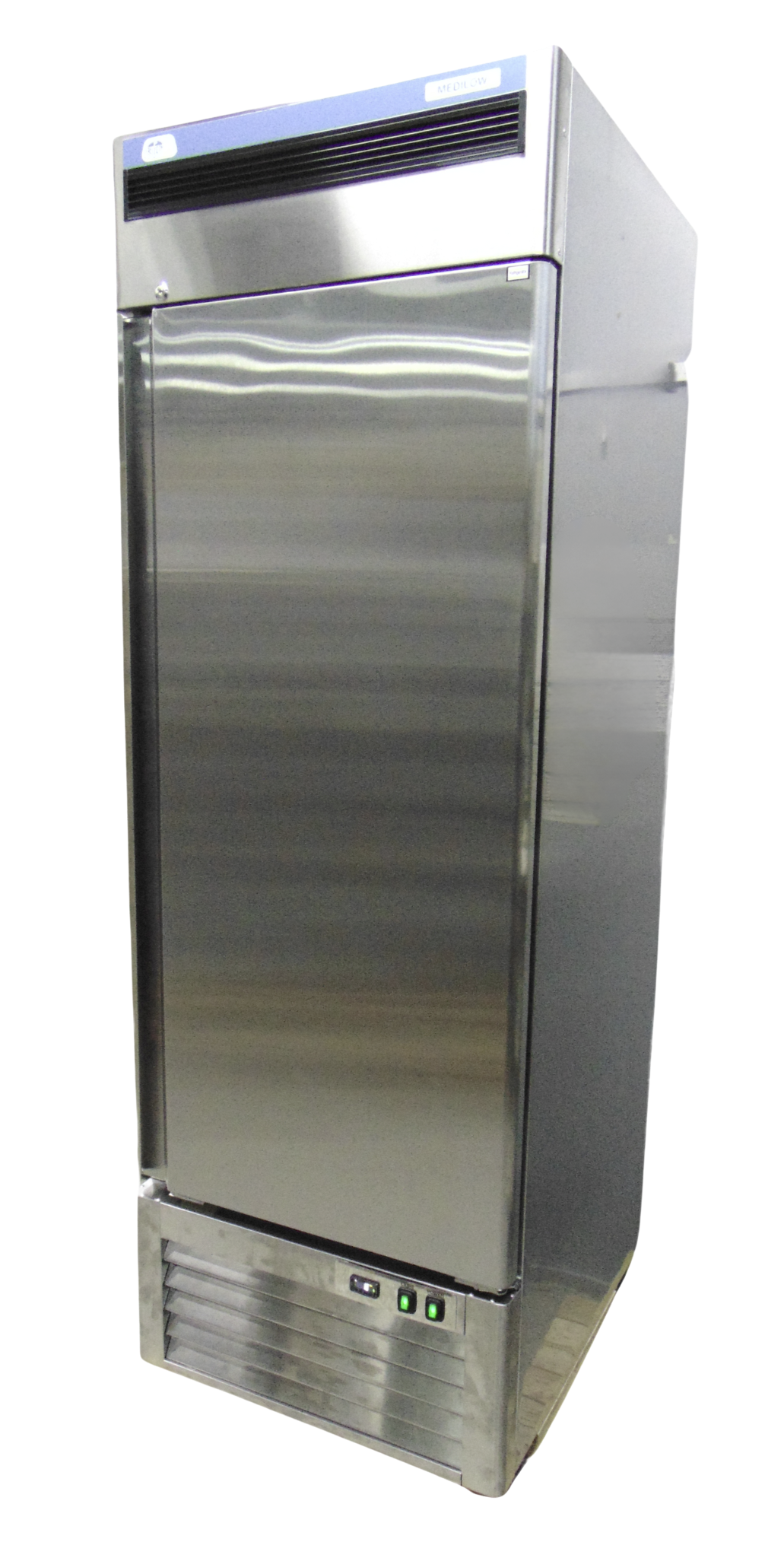
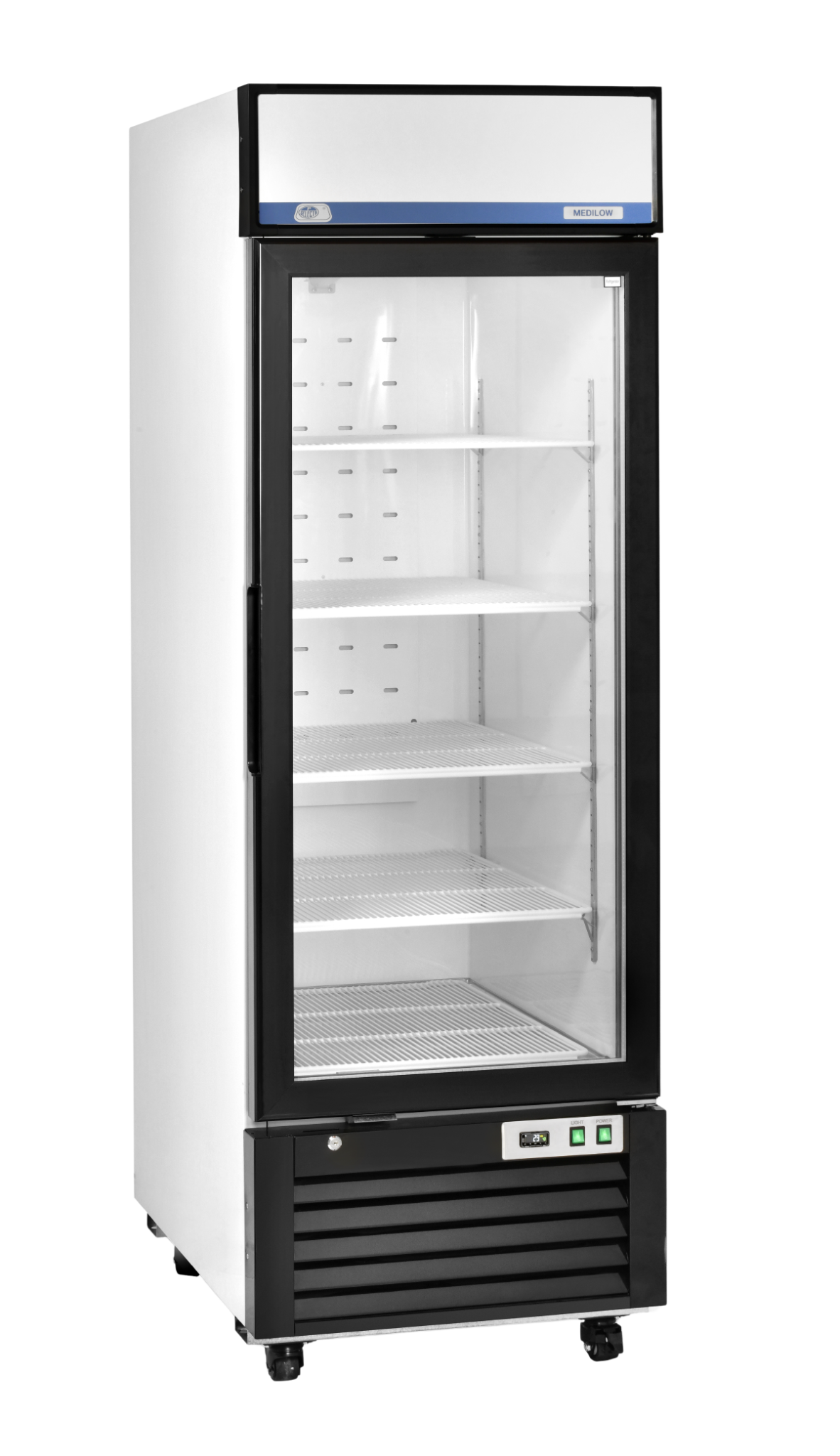
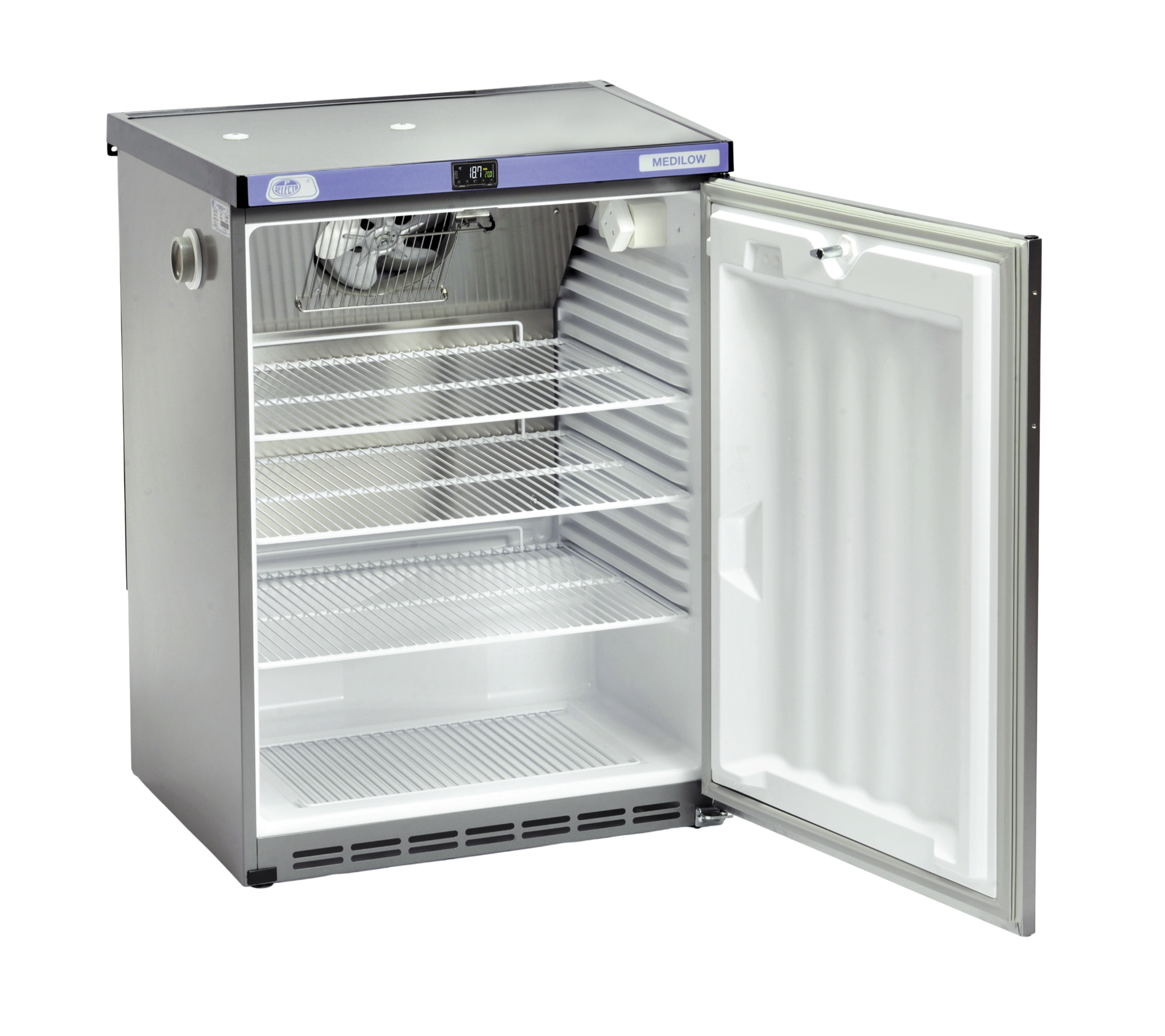
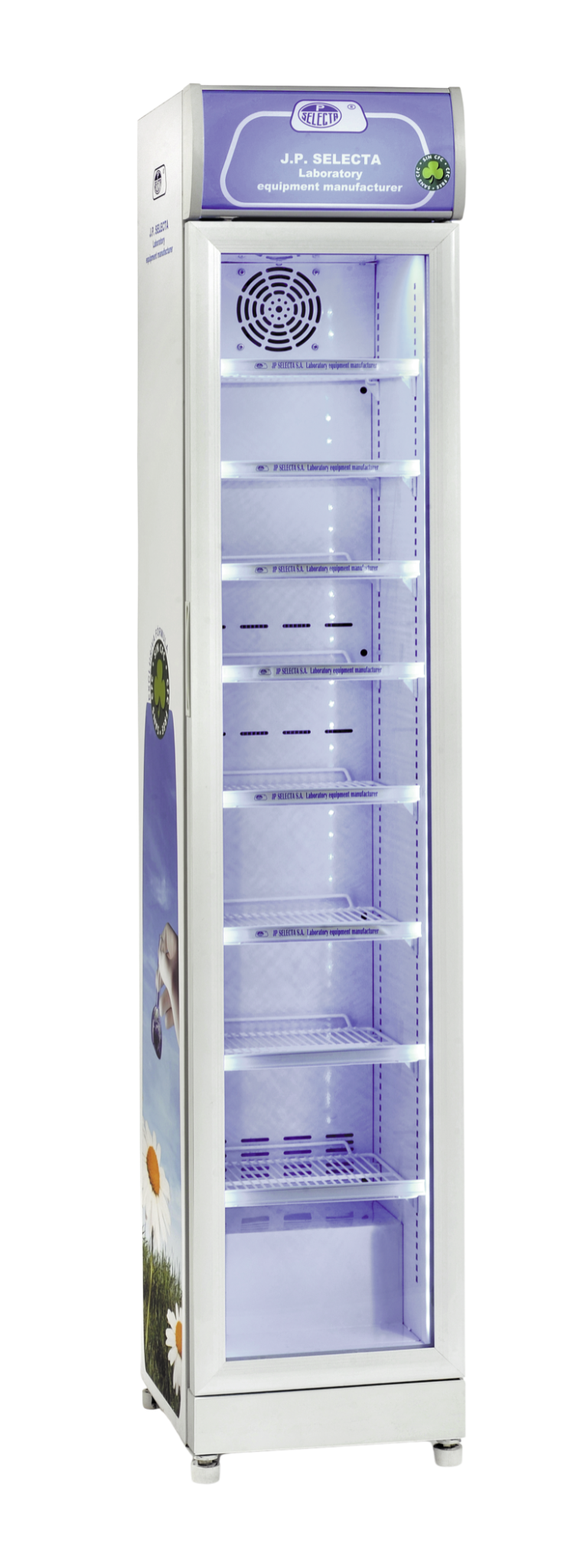
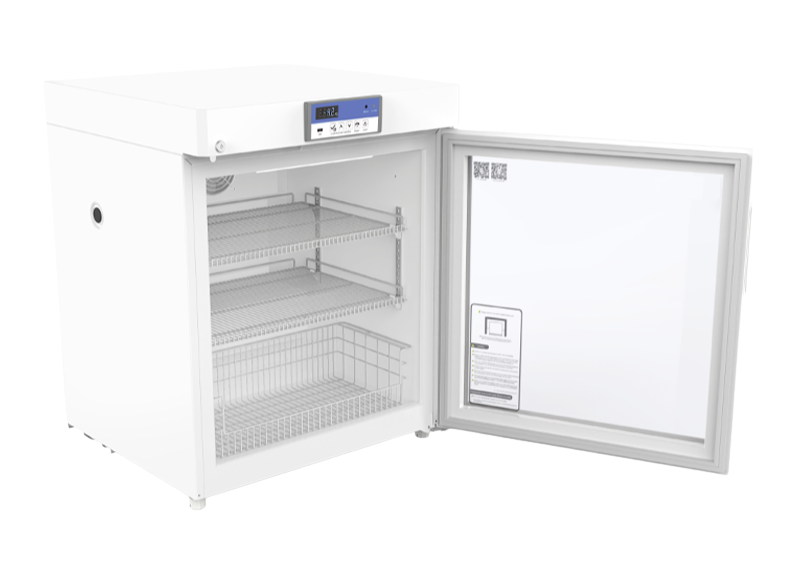
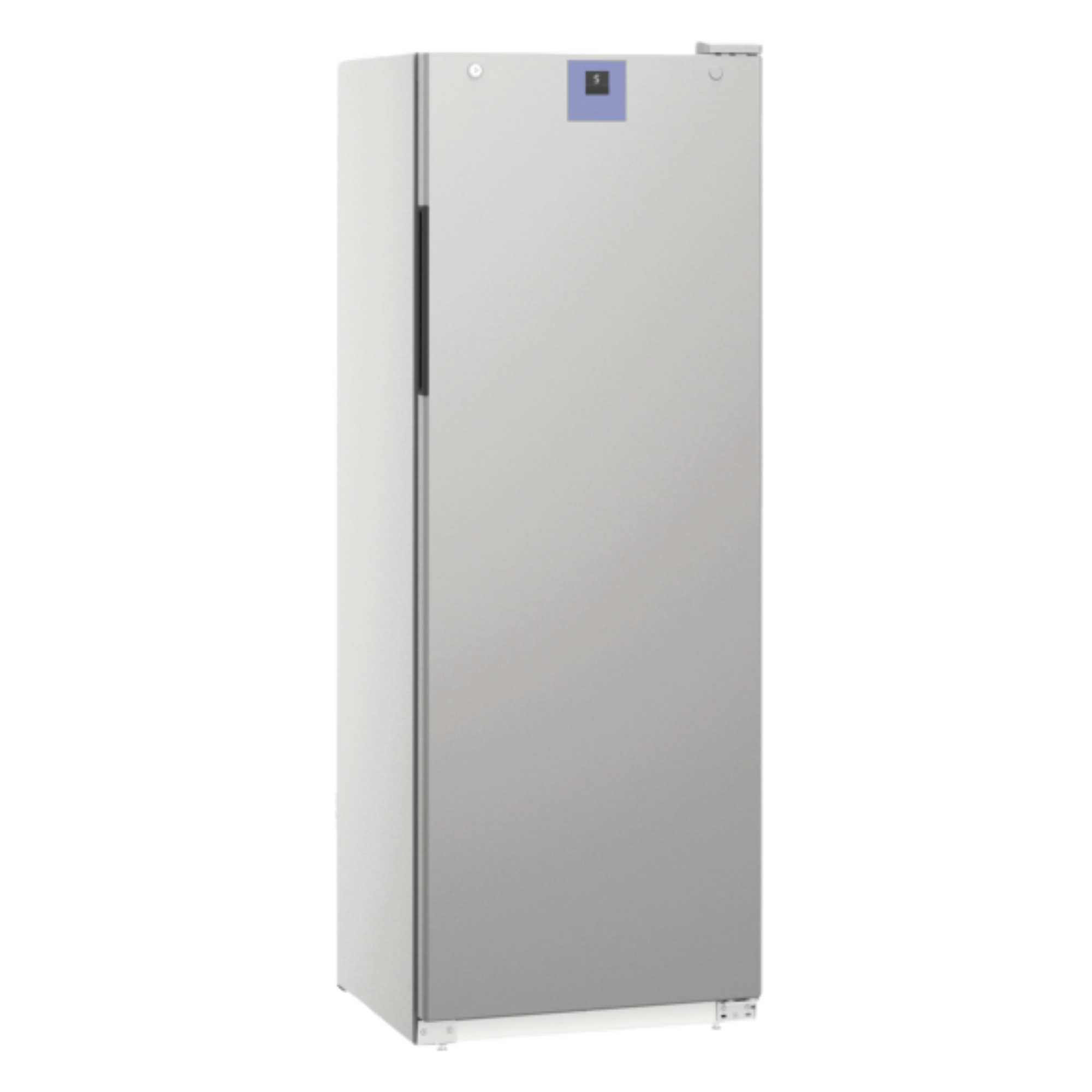
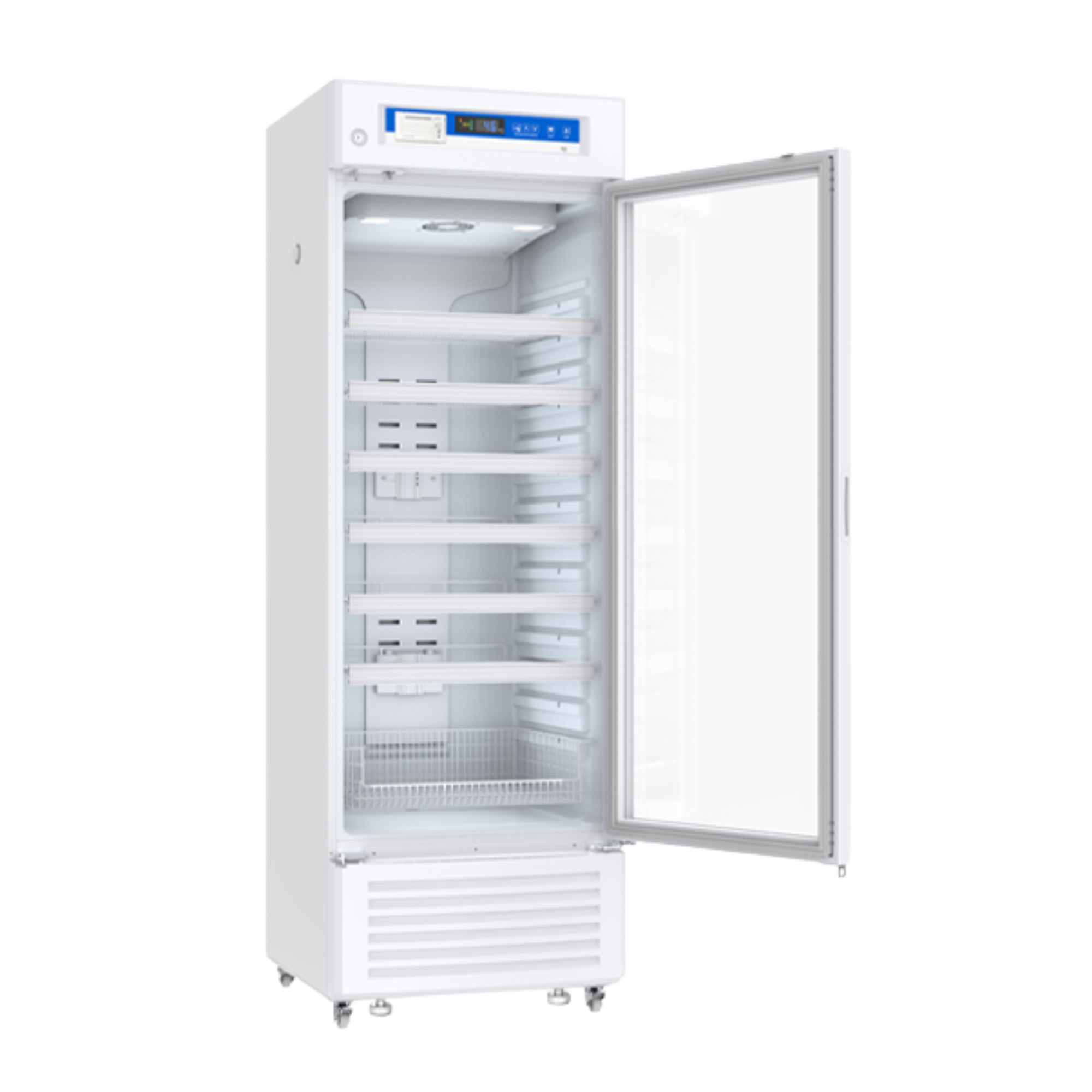
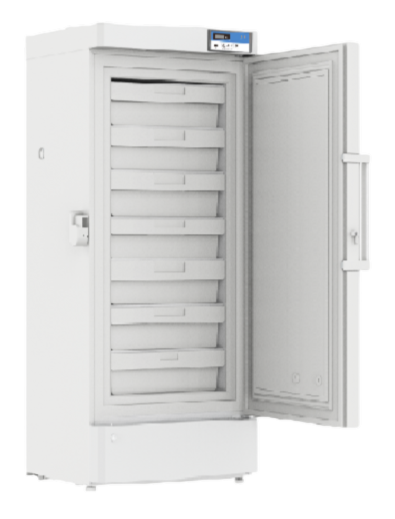
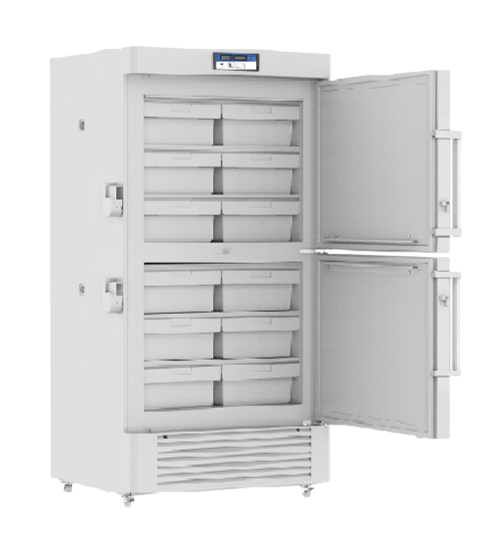
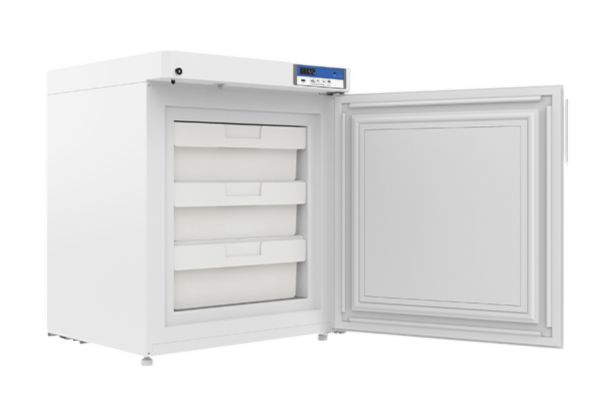
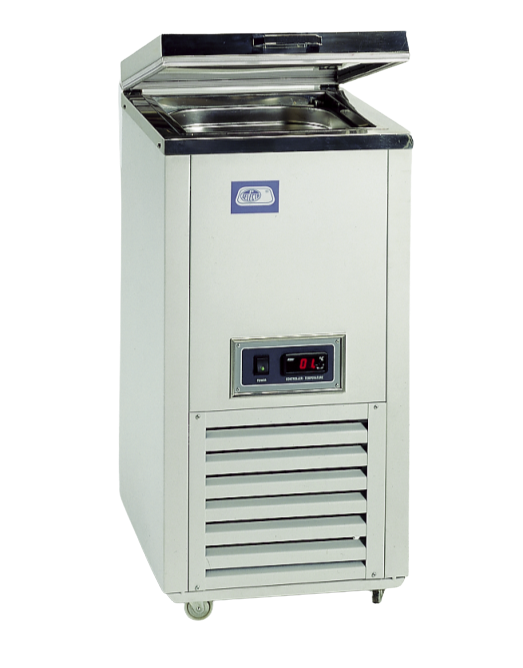
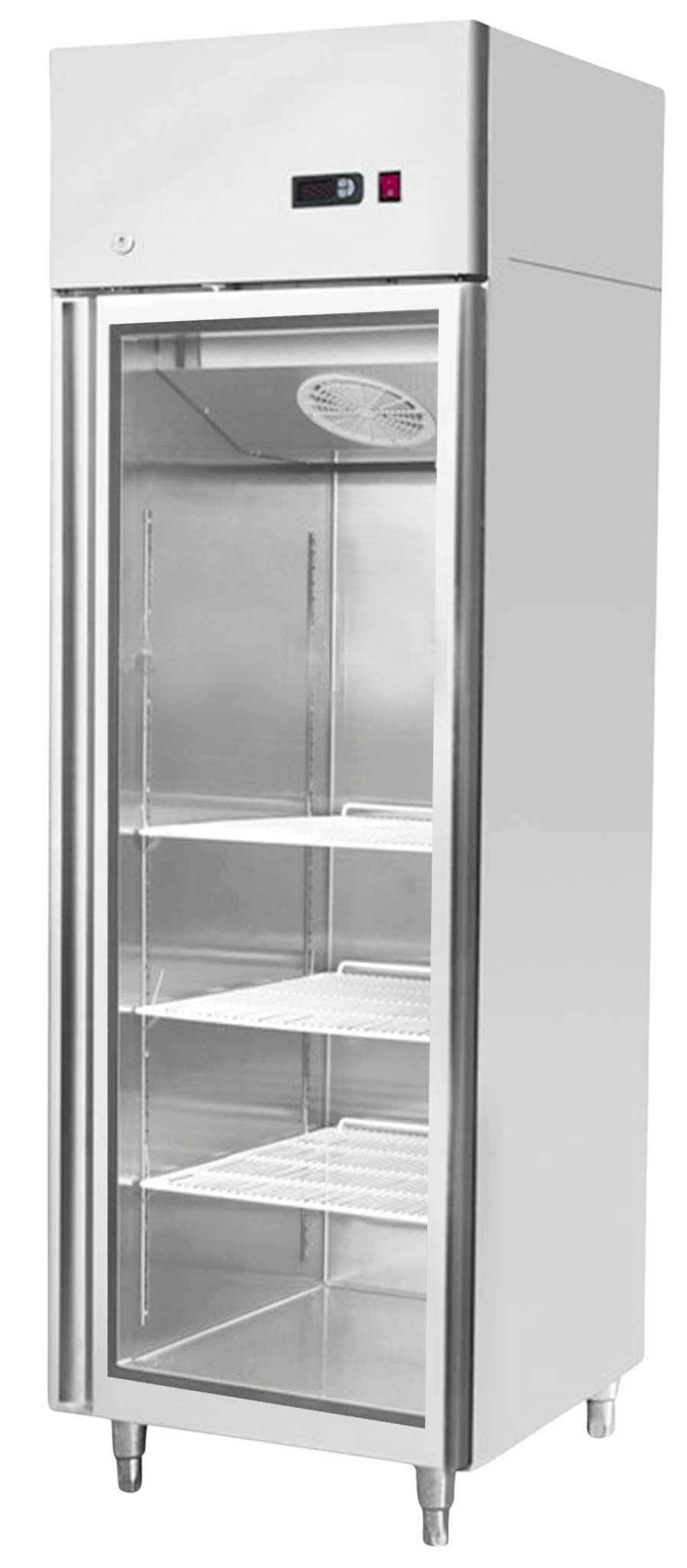
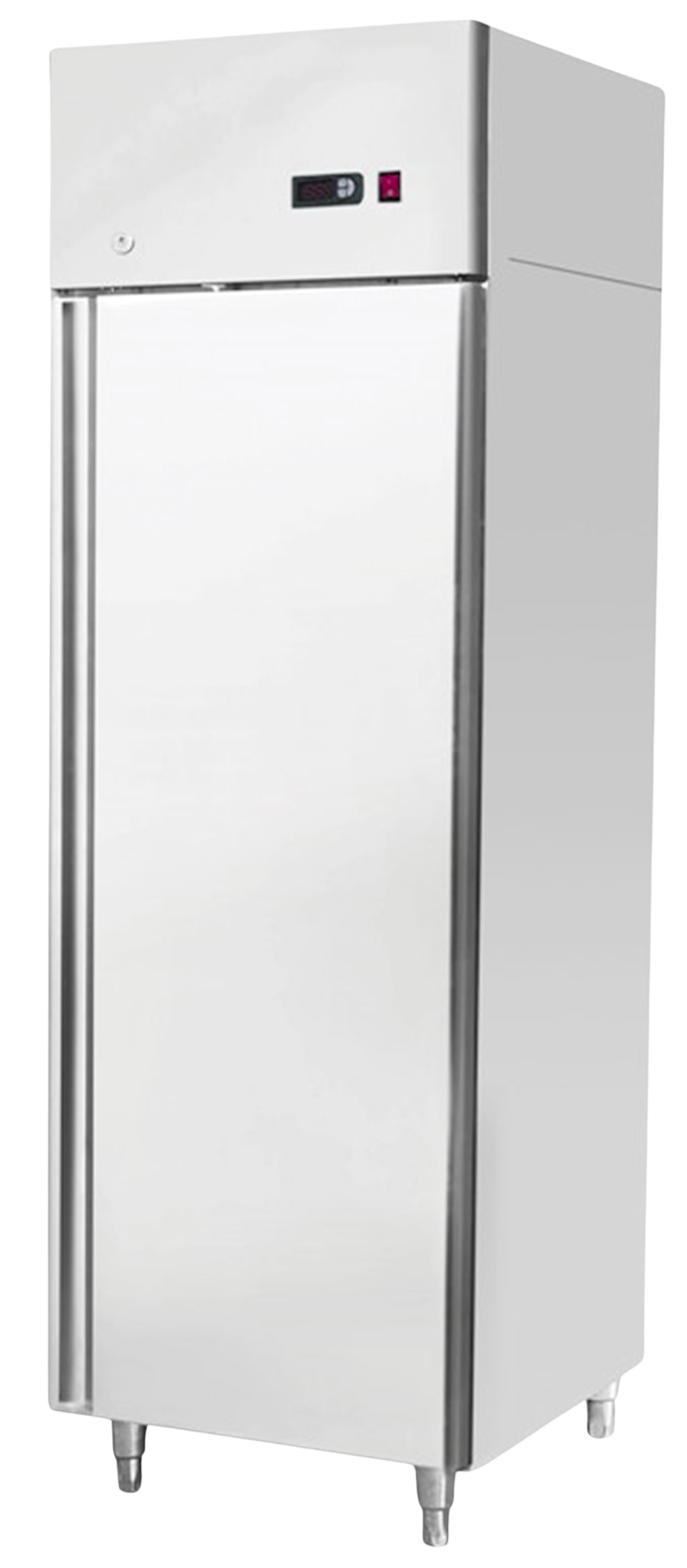
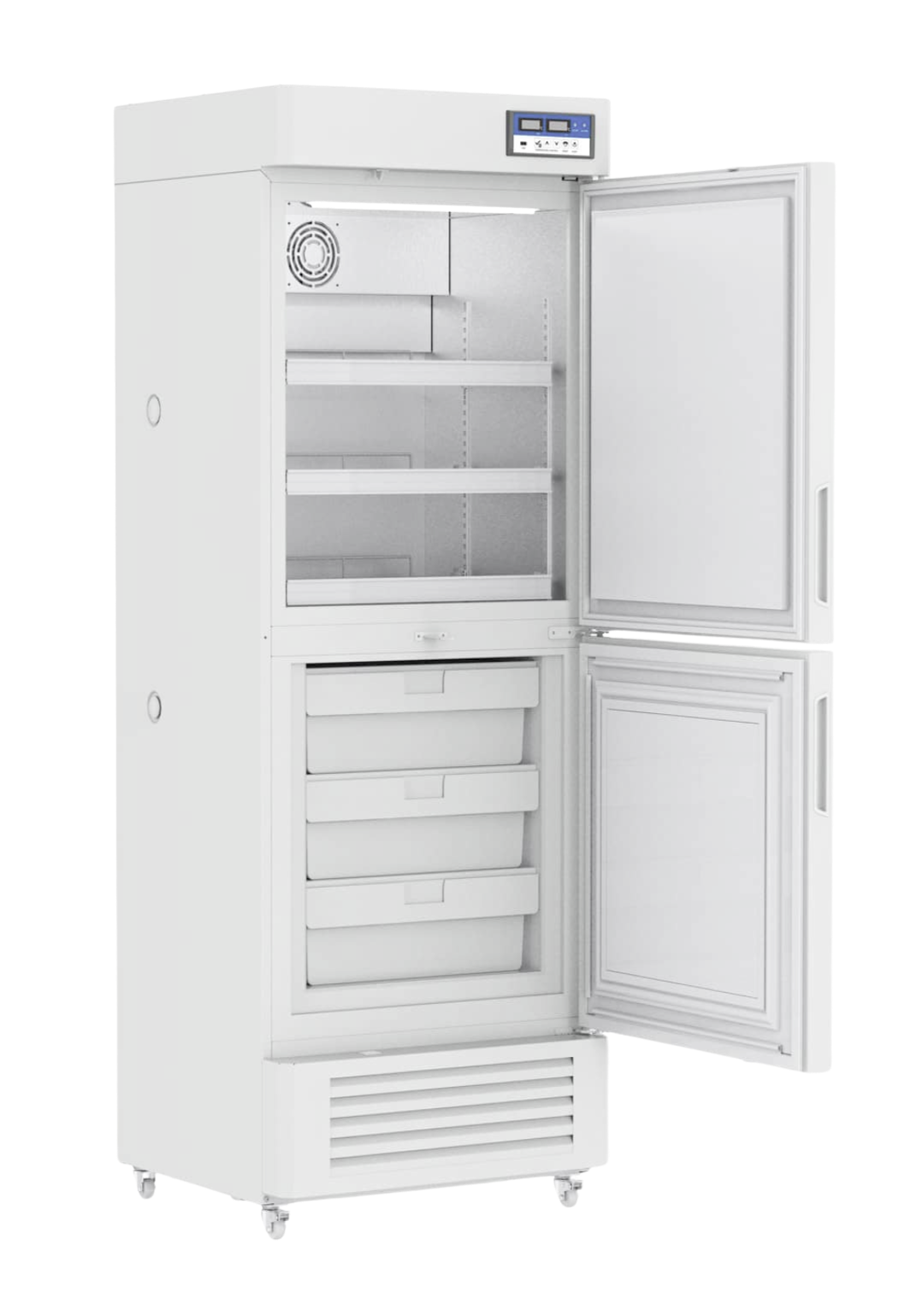
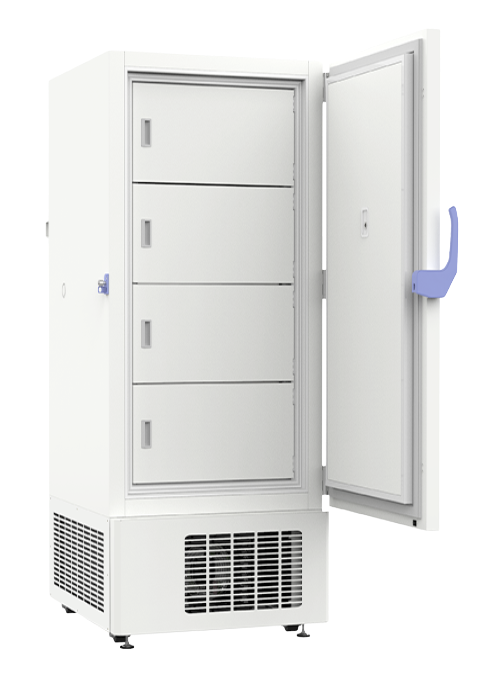
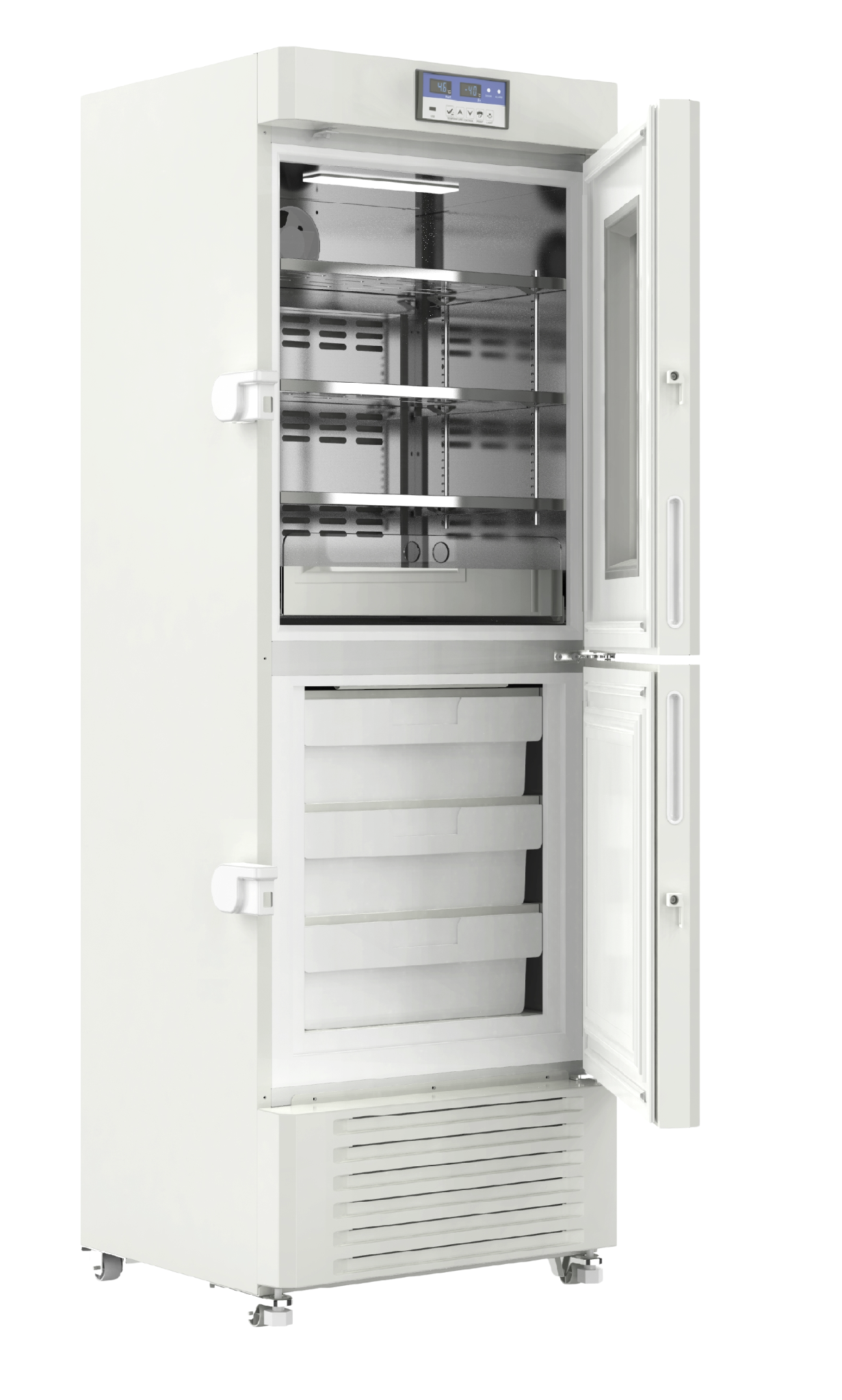
JP Selecta refrigerated cabinets and laboratory cooling equipment
JP Selecta laboratory refrigerated cabinets ensure safe and controlled storage of reagents, biological samples, vaccines, culture media and heat-sensitive products.
Our catalogue includes refrigerated cabinets from +2 °C to +8 °C (Stocklow), ultra-freezer cabinets from -40 °C to -86 °C, forced-circulation refrigerators for critical thermal uniformity, chest freezers from -18 °C to -40 °C, Templow conserver cabinets (+10 °C to +15 °C) and refrigeration cuvettes for special applications.
All models incorporate high-precision digital control, temperature alarms, dataloggers for GMP/FDA traceability, safety systems with key locking, open-door alarm and stainless steel interior construction. Capacities are available from 100 litres to 836 litres according to your analytical storage needs.
Our range of laboratory refrigeration equipment
We offer an extensive variety of working temperatures, covering ranges from +15 °C for delicate preservation to extreme ultra-freezing at -86 °C.
Stocklow refrigerated cabinets (+1 °C to +8 °C)
- Temperature range and control: Adjustable temperature from +1 °C to +8 °C, managed via a high-precision electronic temperature regulator and a digital reading thermometer.
- Interior features: Built entirely with cabinet, door and interior chamber in AISI 304 stainless steel, ensuring excellent resistance to chemical agents.
- Technical advantages: Available in fully metallic versions (Stocklow LS and Stockflow LSC) or with double-insulating glass door (Stocklow GS) to visualise the interior chamber without disturbing thermal conditions.
Ultra-freezer cabinets
- Available models: GR-86 (from 125 L to 836 L and from -40 °C to -86 °C).
- Differentiating technology: Intelligent dual refrigeration circuit system with low-noise independent hermetic compressors (< 48 dB). In case of accidental failure of one circuit, the backup system can autonomously maintain the interior temperature below -70 °C.
- Insulation and efficiency: Vacuum-injected VIP insulation panels combined with 120 mm of high-pressure injected CFC-free polyurethane. Uses natural hydrocarbon refrigerant gases (HC) that are fully biodegradable and environmentally friendly.
Forced-circulation refrigerators
- Available models: Medilow S, L, LG (+1 °C to +40 °C) and Pharmalow L, M, Pharmalow B (+2 °C to +15 °C).
- Temperature range and control: They allow electronic digital regulation with an LED display for simultaneous visualisation of the real and set-point temperatures. They offer thermal stability of ±1.5 °C and have an analytical resolution of 1 °C.
- Advantages and technology: The internal forced-air circulation turbine ensures absolute homogenisation of temperature throughout the interior chamber, eliminating hot spots. They are optimised for BOD determination at 20 °C and enzymatic activity measurement at 25 °C.
- Special features: The Pharmalow B model incorporates an advanced industrial compressor with ecological hydrocarbon refrigerant and is built under the demanding German quality standard DIN-13277. Medilow units integrate internal power sockets with a maximum power of 500 W to connect agitators or other devices without perforating the chassis.
Chest freezers
- Available models: Combatemp S-30 and Combatemp L-30 (-14 °C to -28 °C), COM-UNI 31 and 41 (-10 °C to -45 °C), LAB-11 and LAB-51 (-50 °C to -85 °C).
- Parameters and control: Equipped with high-end digital controllers (such as the Dixell system in the UNI series) that allow precise adjustment of interior temperature. LAB models stand out for their exceptional thermal stability of ±0.5 °C.
- Advantages and interior: Easy-to-clean interior chambers built in embossed aluminium or treated enamelled steel. LAB models have counterweighted lids and a double sealing gasket to prevent moisture ingress and frost build-up.
Freezer cabinets
- Available models: Templow YL-90, S-YL and YL.
- Temperature range and control: From -10 °C to -25 °C with high-precision computerised temperature control.
- Specific advantages: Fitted with 3 to 7 drawers depending on the model.
Circulation refrigerators (Chillers)
- Available models: CH 1400, CH 4200 and CH 8200.
- Range and power: They regulate with great precision from +5 °C to +35 °C, offering an analytical precision in the fluid of ±1 °C. Their nominal cooling capacities are 1,450 W, 4,200 W and 8,200 W.
- Differentiating technology: Designed to work in a continuous closed circuit using a 50 % organic glycol antifreeze fluid. They feature an advanced evaporator built in titanium alloy or rust-free stainless steel.
- Analytical applications: They act as the ideal thermal complement for condensers, rotary evaporators, reactors and analytical equipment that require constant and controlled heat dissipation inside the laboratory.
Choose the model you need
| Equipment | Temperature range | Capacity | Main use |
|---|---|---|---|
| Stocklow refrigerated cabinet | +1 °C to +8 °C | 670 L | Reagents, vaccines, samples |
| GR-86 ultra-freezer | -40 to -86 °C | 402 - 836 L | Biobanks, DNA, plasma and long term |
| Medilow and Pharmalow circulation refrigerator | +1 °C to +40 °C | 130-610 L | BOD assays, cultures and critical reagents |
| UNI chest freezer | -10 °C to -45 °C | 300-360 L | Mass storage of plasma and vaccines |
| Templow conserver | -10 °C to -25 °C | 90-450 L | Organised drawer-based preservation |
| Chiller circulation refrigerator | +5 °C to +35 °C | 6.7 - 46 L | Cooling of reactors and analytical equipment |
JP Selecta refrigeration technology
All refrigeration units have been designed to maintain the desired temperature, ensuring the preservation and integrity of stored samples and products.
High-precision digital control with dual sensor
They regulate cycles with a reading resolution of up to 0.1 °C. In certain models, a dual independent sensor system is available: one continuously measures the ambient air temperature of the chamber and the other is immersed in a glycerol solution that simulates the real thermal inertia of the stored product or sample.
Intelligent alarm systems with backup
Our equipment integrates multiple acoustic and visual alarms that immediately alert in the event of high/low temperature deviations, sensor failures, filter saturation or open-door situations. Devices are backed by autonomous reserve batteries.
Dataloggers for GMP traceability
To meet the demanding validation requirements of GMP, FDA and the ISO 15189 standard, the range incorporates automated electronic recording modules (datalogger). The Modbus RS485 communication ports and native USB outputs allow exporting a complete history of temperatures, door openings and alarms automatically recorded every 10 minutes over continuous periods of up to 2 years.
Why choose JP Selecta refrigeration equipment
Choosing a JP Selecta laboratory refrigerated cabinet is a guarantee of technical peace of mind and operational excellence in your daily routine.
High-resistance prepared interiors
Interior chambers are strictly manufactured in AISI 304 stainless steel or high-chemical-resistance thermoformed ABS plastics. Their rounded corners and drainage systems facilitate quick cleaning and decontamination, preventing microbiological growth and corrosion from accidental spills.
Official IQ/OQ validation
We understand the accreditation processes of modern laboratories. That is why we provide all the technical documentation necessary to carry out installation (IQ) and operational (OQ) qualifications, including individual calibration certificates traceable to ENAC.
Request a custom quote
Do you need advice to choose the right refrigeration equipment for your samples and reagents? Our technical-commercial team will help you determine the required temperature range, the necessary storage volume, the level of control and alarms according to the applicable regulations and the need for data recording and validation.
Frequently Asked Questions
What is a forced-circulation refrigerator and when do I need one?
It is a refrigerated cabinet equipped with an internal turbine or fan that continuously moves air throughout the enclosure. Its main advantage is that it provides excellent thermal uniformity of up to ±0.3 °C (compared to static refrigerators that fluctuate between ±1 and ±2 °C). It is mandatory for the storage of critical vaccines (WHO requirement), conservation of very sensitive biological reagents and laboratories with strict GMP workflows that frequently open the door.
How often does a refrigerated cabinet need to be calibrated?
The periodicity recommended by international quality standards and metrology guidelines is annual. Under GMP regulations or ISO 15189 clinical accreditations, this annual calibration is mandatory. The test must include verification of the internal control sensors, analysis of the alarm-system operation and a complete thermal-uniformity study through instrumental mapping of multiple points.
Do JP Selecta refrigerated cabinets have data logging?
Yes. All our advanced and premium lines (such as the GR-86 ultra-freezer series or the Templow conservation cabinets) incorporate an internal electronic datalogger system as standard. This device records temperature data and opening events at intervals of 1 to 10 minutes, allowing easy export of analytical reports and graphs in PDF format through a front USB port for presentation in regulatory audits.
What safety alarms do refrigerated cabinets have?
Our equipment has a multi-alarm visual and acoustic safety ecosystem that continuously monitors the operation of the laboratory refrigerator. It includes alerts for out-of-range temperature (both for dangerous rises and falls), prolonged open-door alarm, technical failures or sensor breakage, and mains power-cut alarm. Advanced models also include a potential-free dry contact to relay the alarm signal to remote monitoring systems or BMS control rooms.
Can any type of product be stored in a refrigerated cabinet?
No. Strict guidelines of chemical and biological segregation must be followed to avoid cross-contamination or serious accidents. It is strictly forbidden to store volatile solvents, combustibles or flammable materials (such as ether or acetone) inside conventional laboratory refrigerators, since the thermostat's spark may cause deflagrations. For such flammable products, refrigerated cabinets with explosion-proof certification (ATEX) are essential.
What maintenance does a refrigerated cabinet need?
It requires a very simple but systematic preventive plan: monthly cleaning of the interior surfaces with non-corrosive disinfectants, visual verification of the elasticity of the magnetic door gaskets, quarterly vacuum cleaning of the condenser grilles to ensure good heat dissipation, and an annual review of the gas circuit by a qualified technician. Models equipped with timed automatic defrost eliminate the need for manual stops to remove ice.
Do JP Selecta cabinets comply with GMP/ISO standards?
Yes, our scientific cooling ranges have been designed under strict compliance with international regulatory standards. Models with integrated datalogger, dual sensor and alarm history meet the requirements of the pharmaceutical industry (GMP and 21 CFR Part 11 guidelines) and the audit requirements of testing or clinical laboratories regulated under ISO 17025 and ISO 15189 accreditation standards.