Laboratory Ovens
59 equipment available
Over 50 laboratory ovens: natural- and forced-convection drying up to 250 °C, vacuum ovens, culture incubators, muffle furnaces up to 1,100 °C and precision refrigerated models. PID control, GMP datalogger and AISI 304 stainless steel construction.
2000253
Conterm
2000251
Conterm
2000252
Conterm type Poupinel
2000254
Conterm type Poupinel
2001254
Digitheat-TFT
2001252
Digitheat-TFT
2001255
Digitheat-TFT type Poupinel
2001253
Digitheat-TFT type Poupinel
2005165
Digitronic-TFT
2005169
Digitronic-TFT
2005168
Digitronic-TFT
2005166
Digitronic-TFT
2005167
Digitronic-TFT
2005170
Digitronic-TFT
2005163
Digitronic-TFT
.png)
2005164
Digitronic-TFT
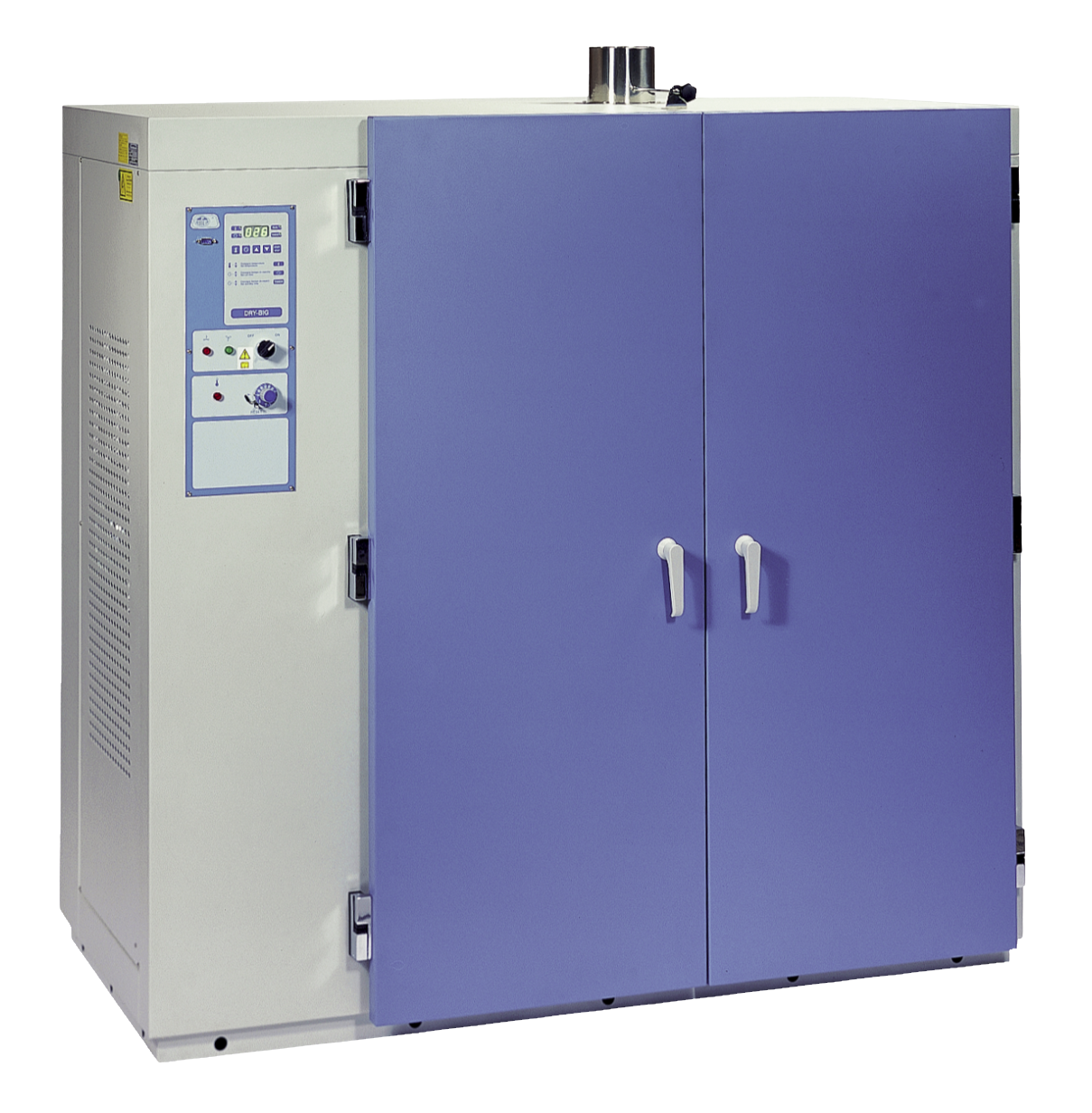
2003721
Dry-Big
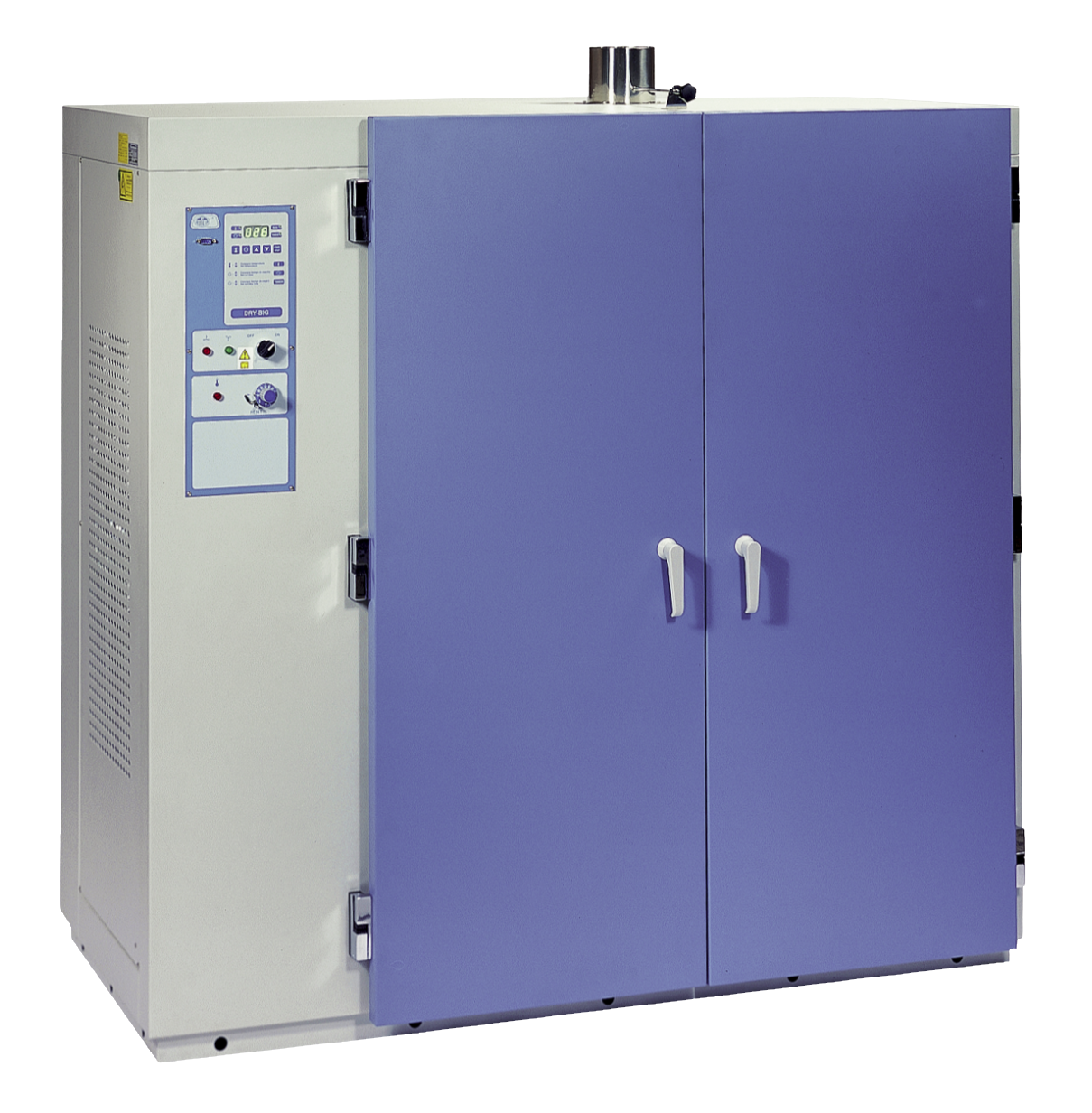
2003741
Dry-Big
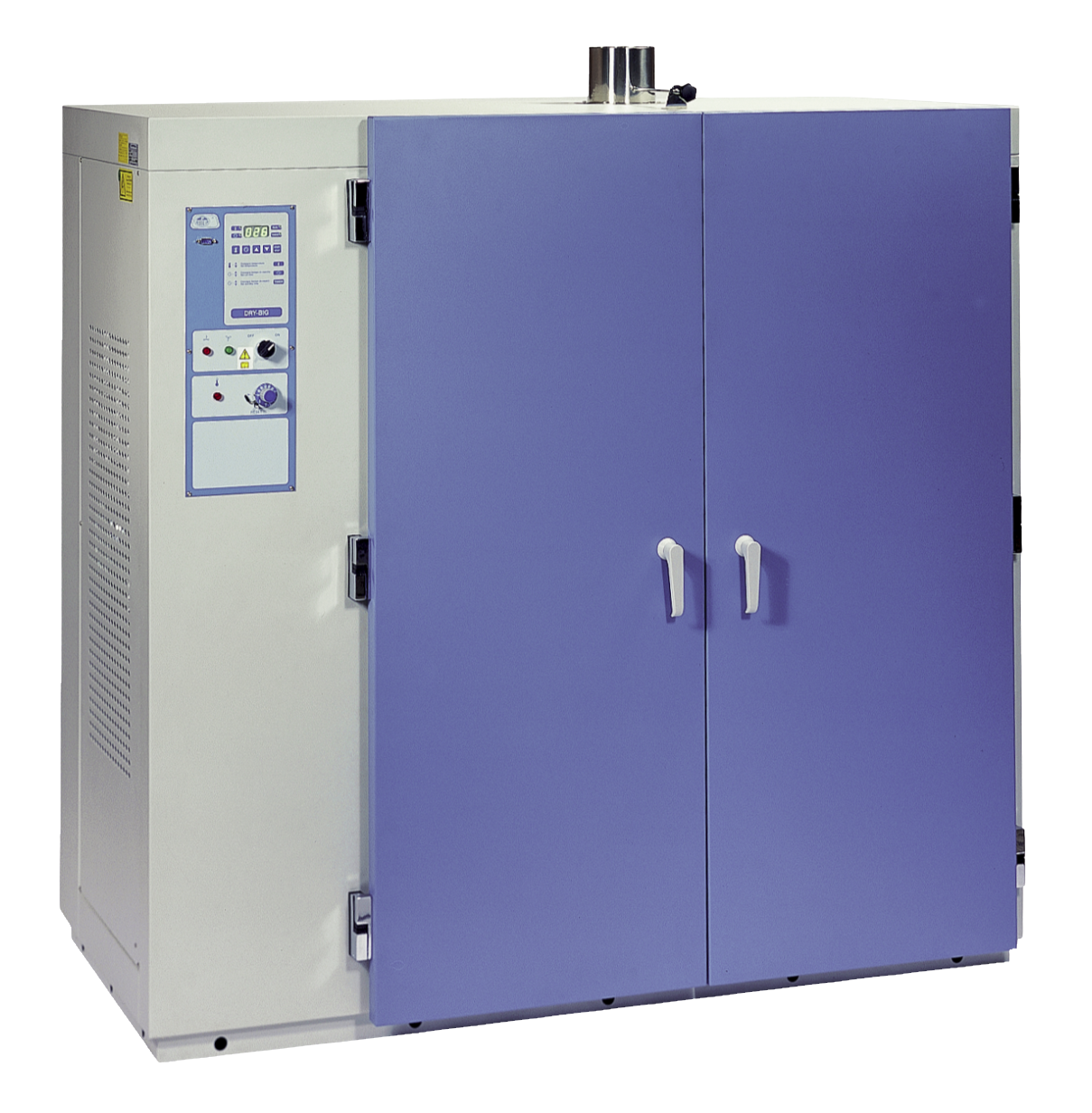
2003743
Dry-Big
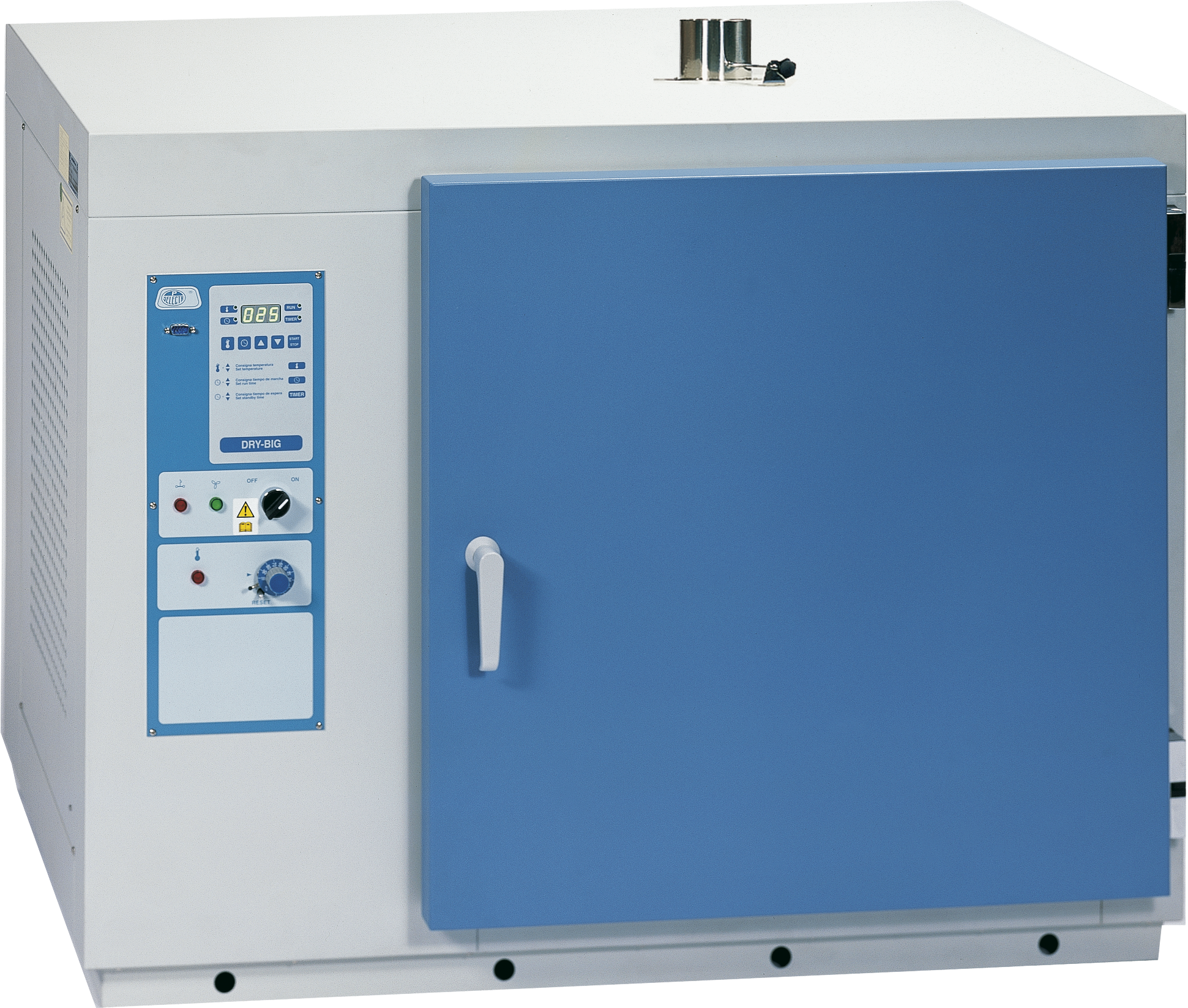
2002971
Dry-Big
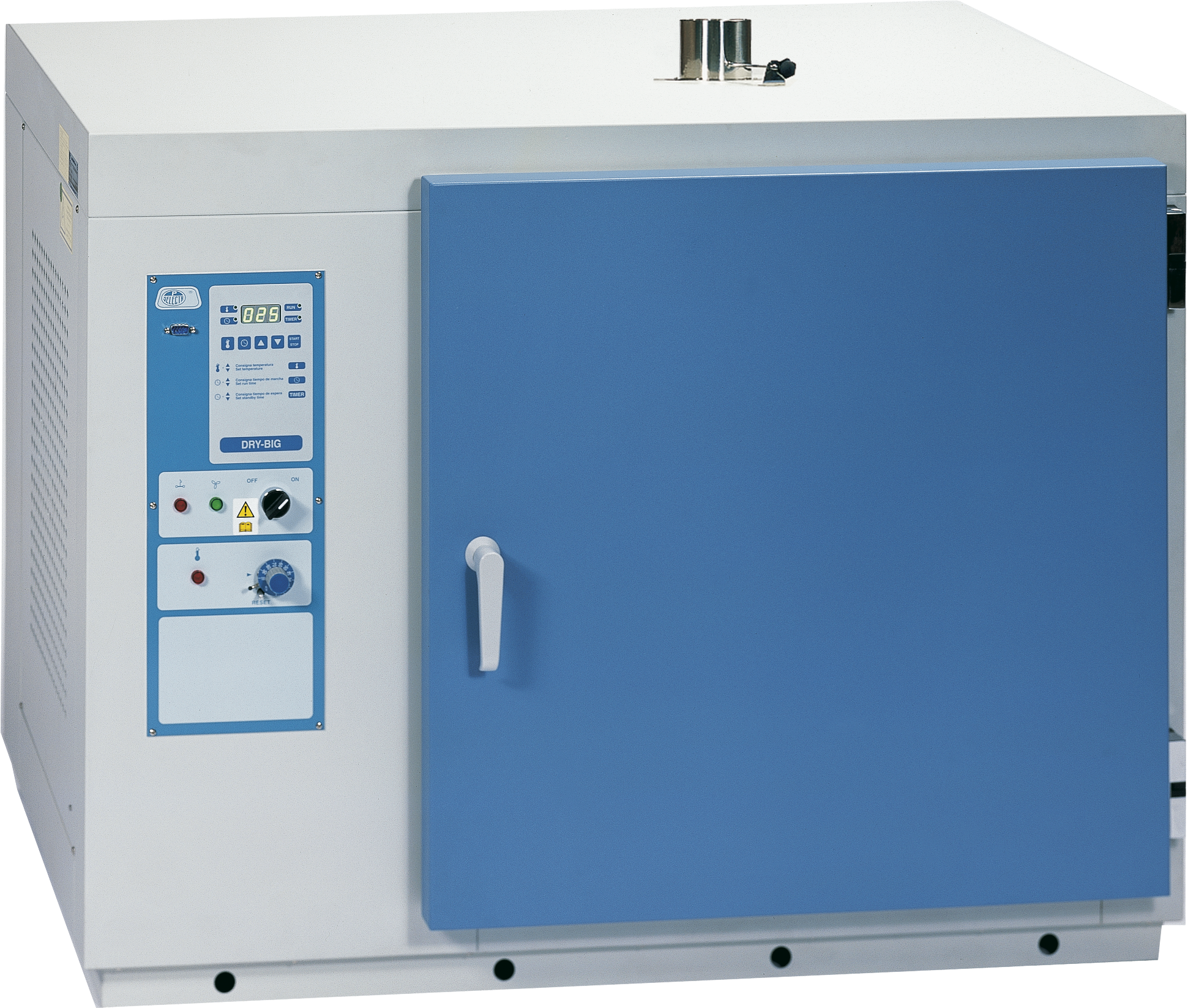
2002962
Dry-Big
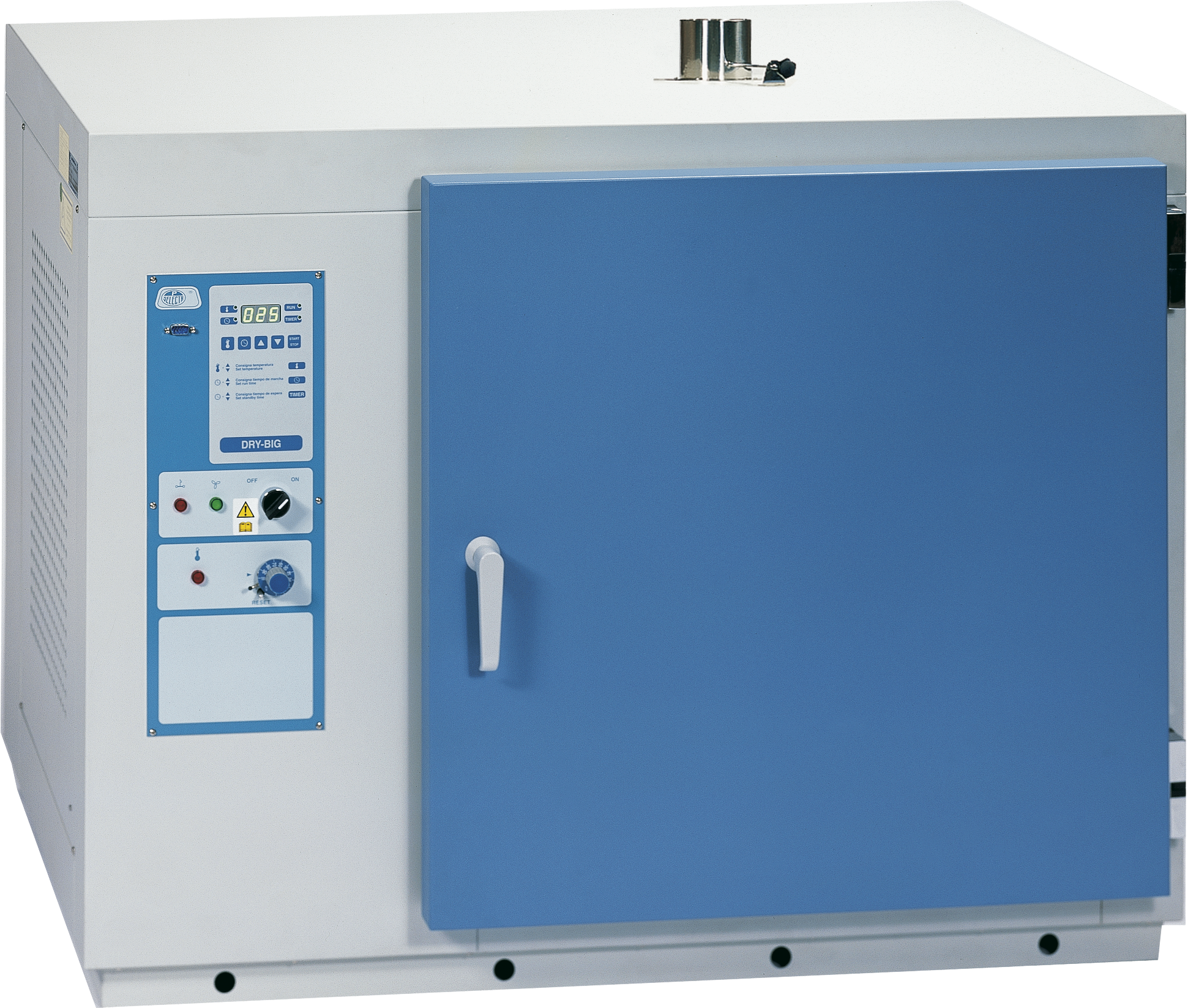
2002961
Dry-Big
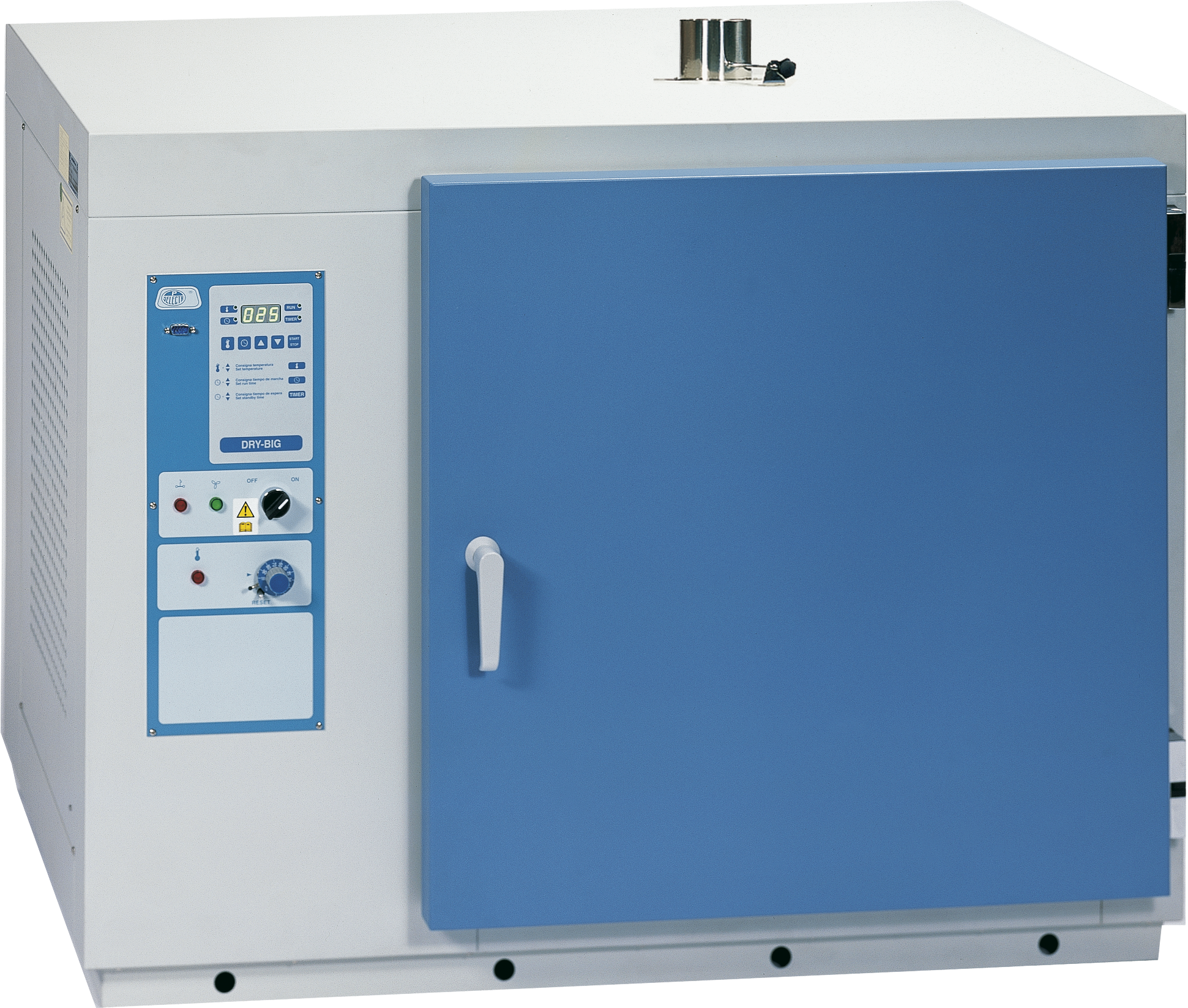
2002972
Dry-Big
.png)

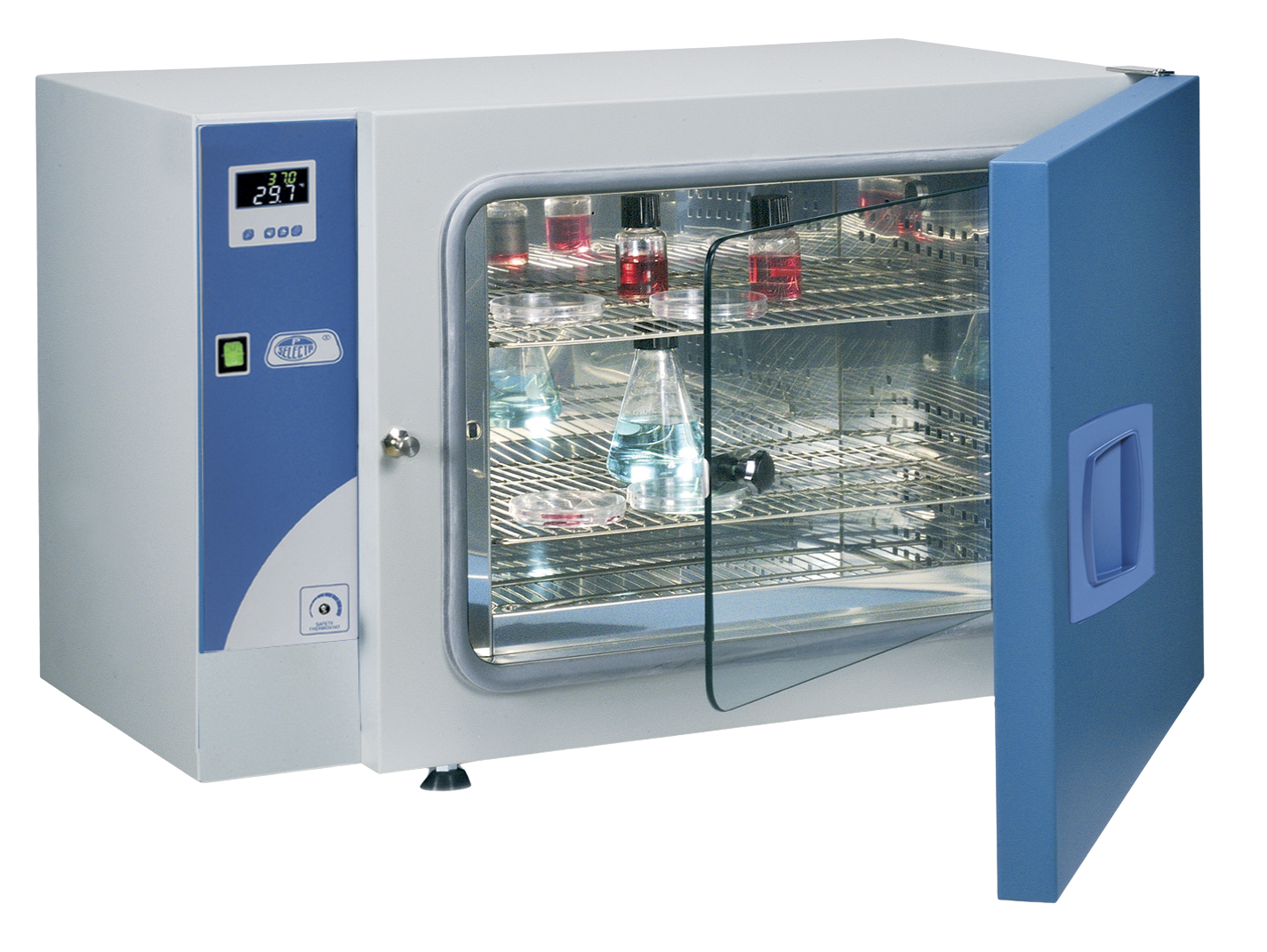
2000261
Incubat
2000263
Incubat
2000260
Incubat
2000264
Incubat
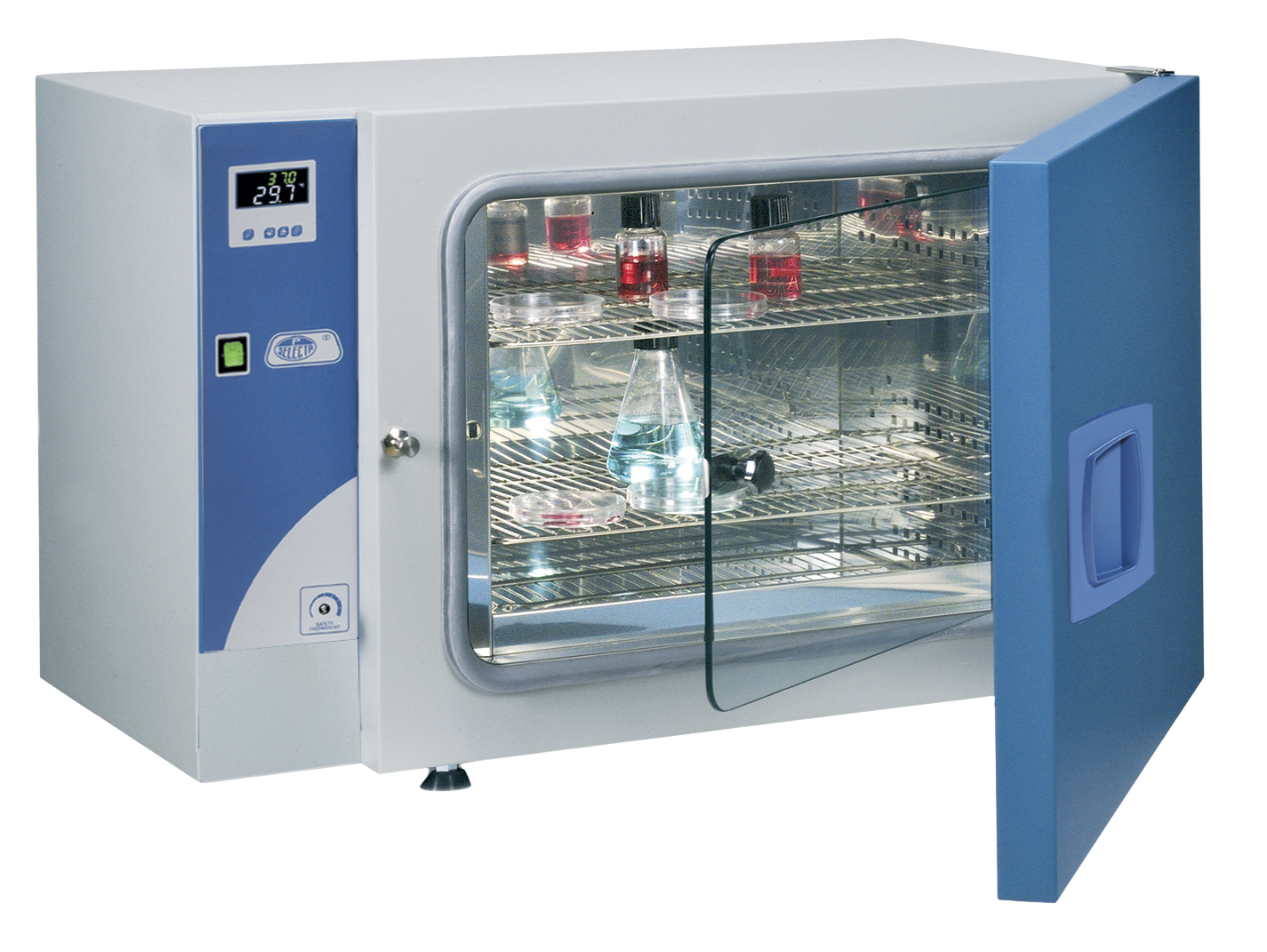
2000262
Incubat
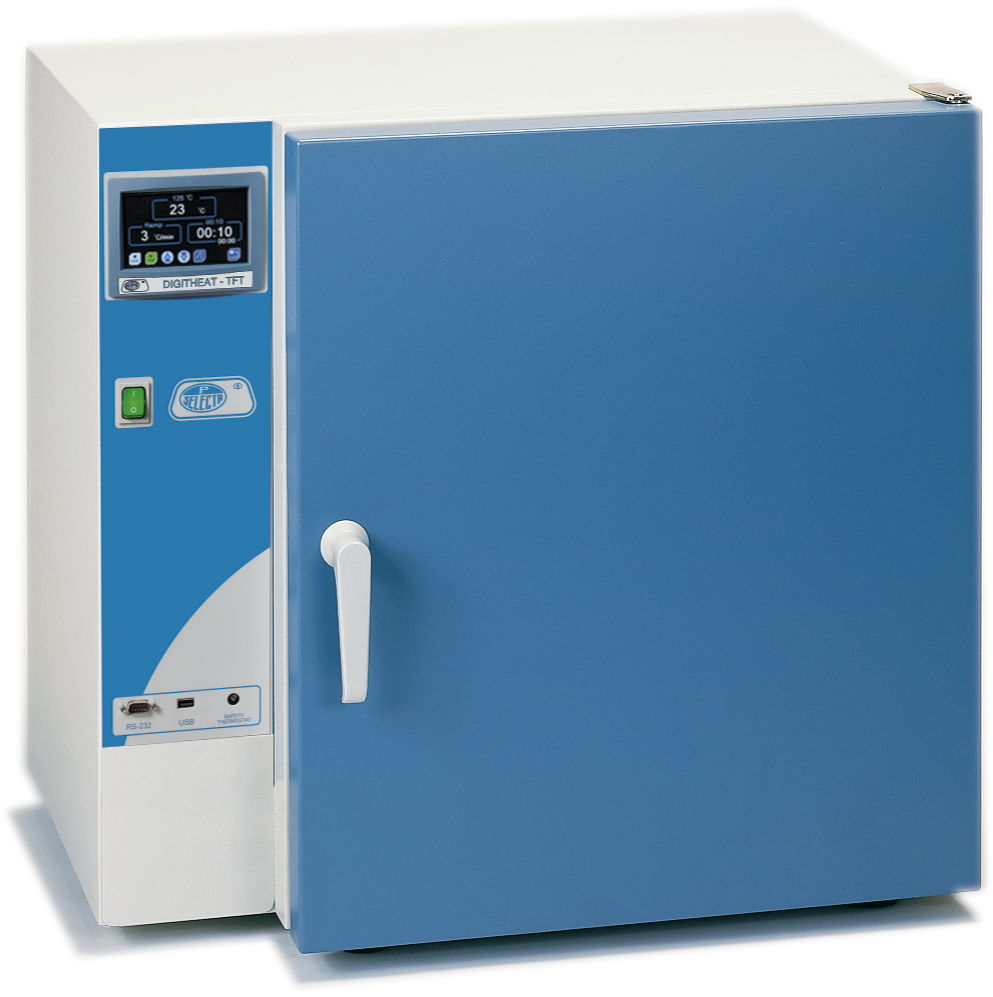
2000238
Incubig-TFT
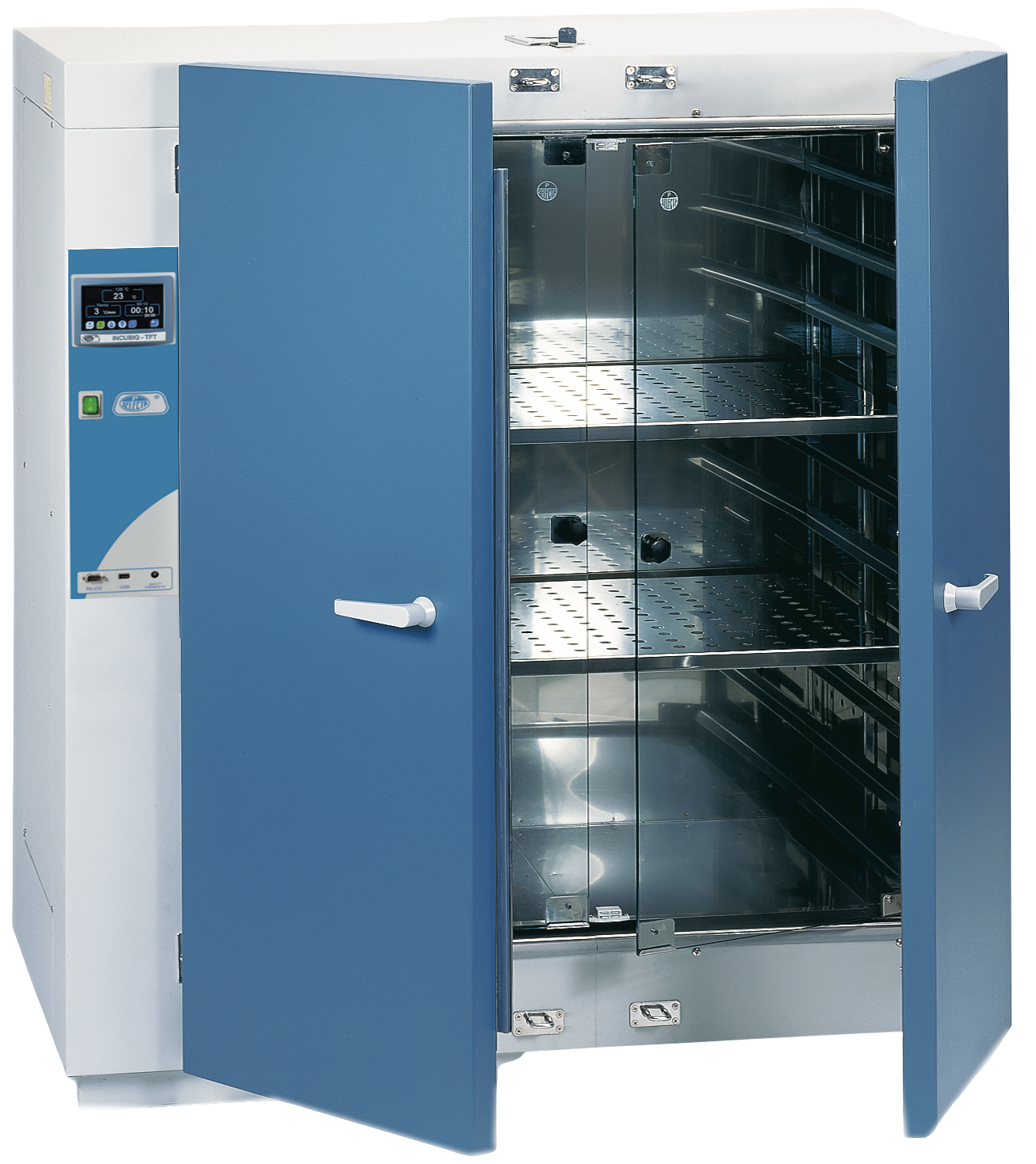
2000239
Incubig-TFT
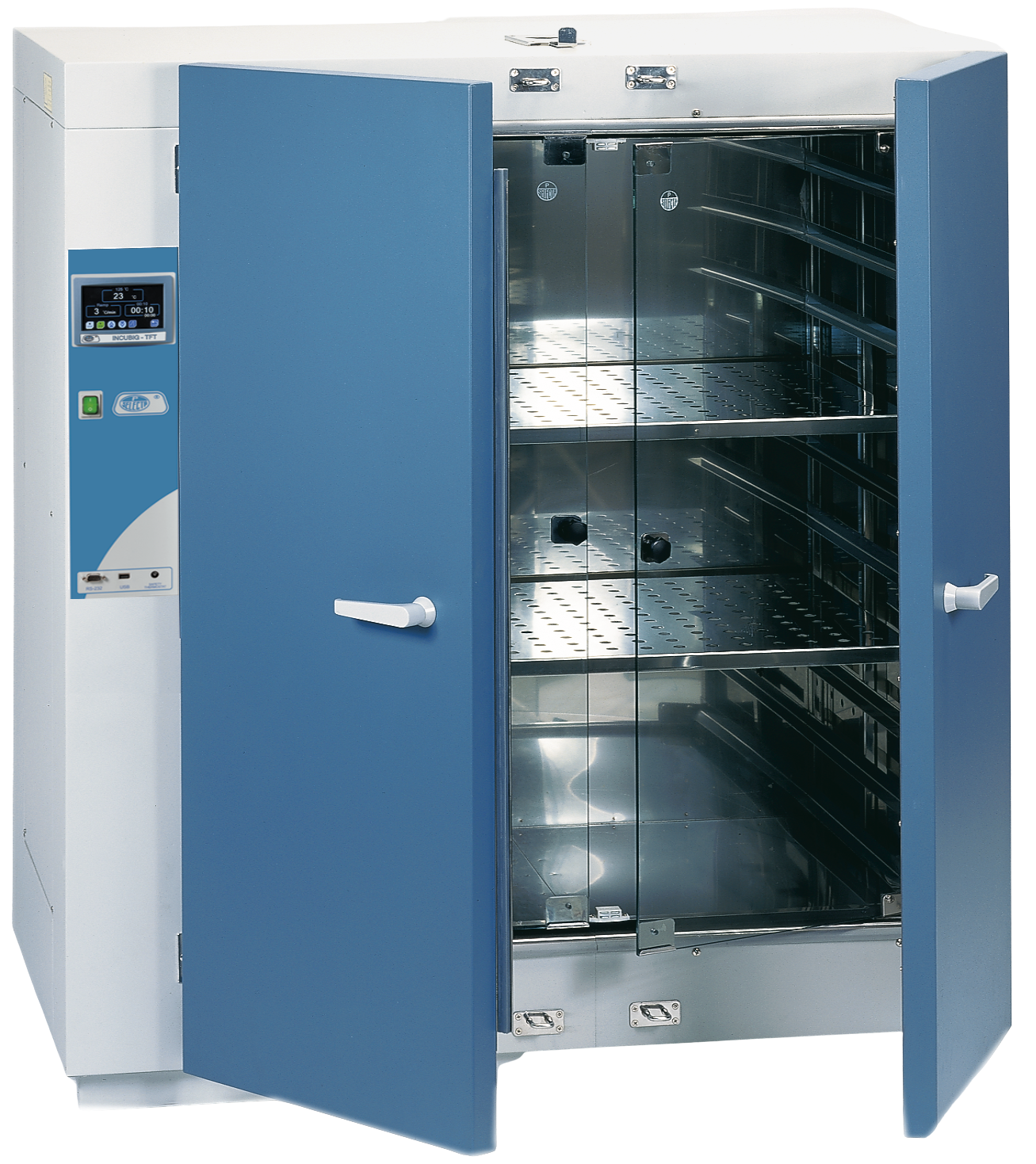
2000240
Incubig-TFT
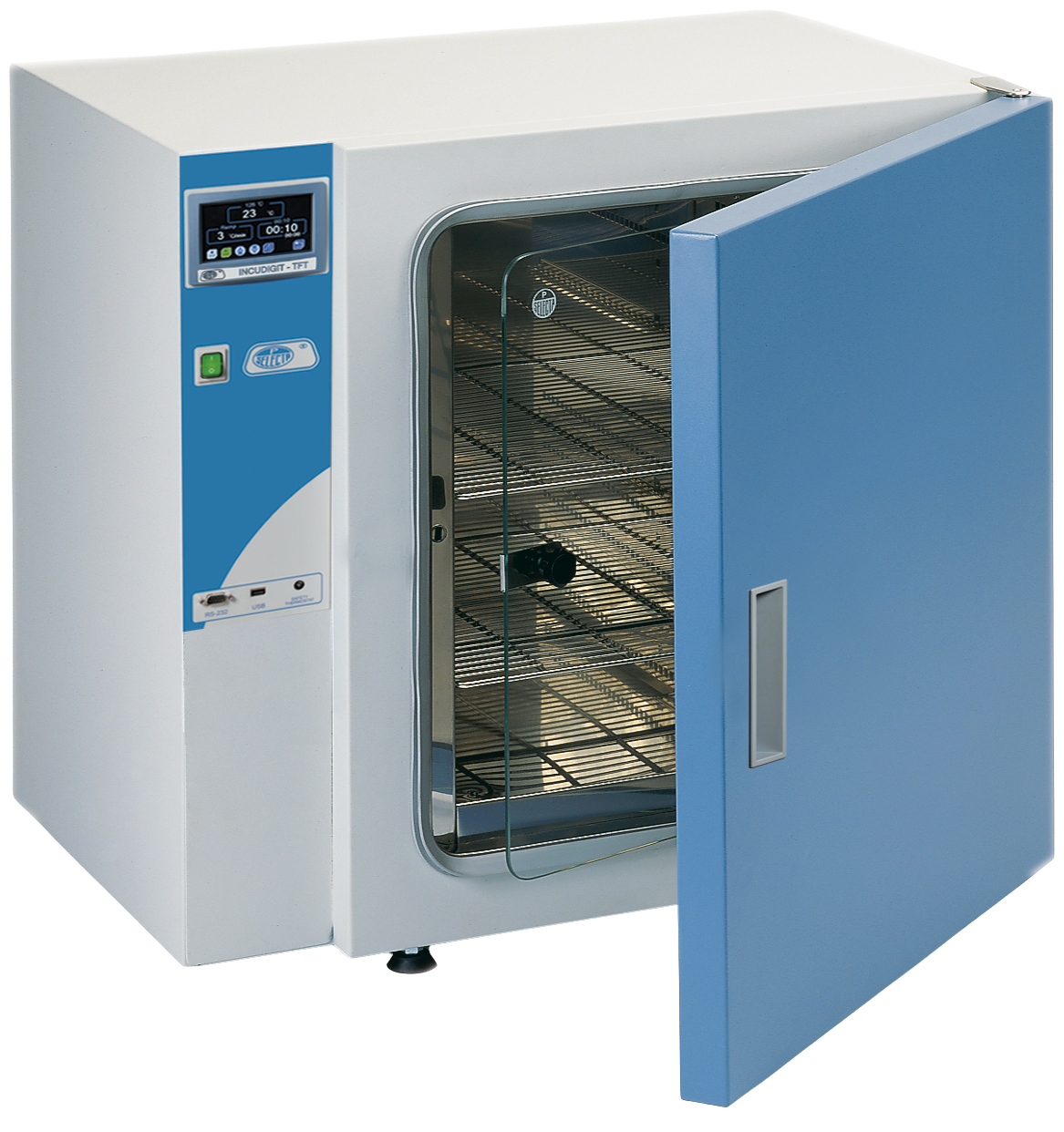
2001261
Incudigit-TFT
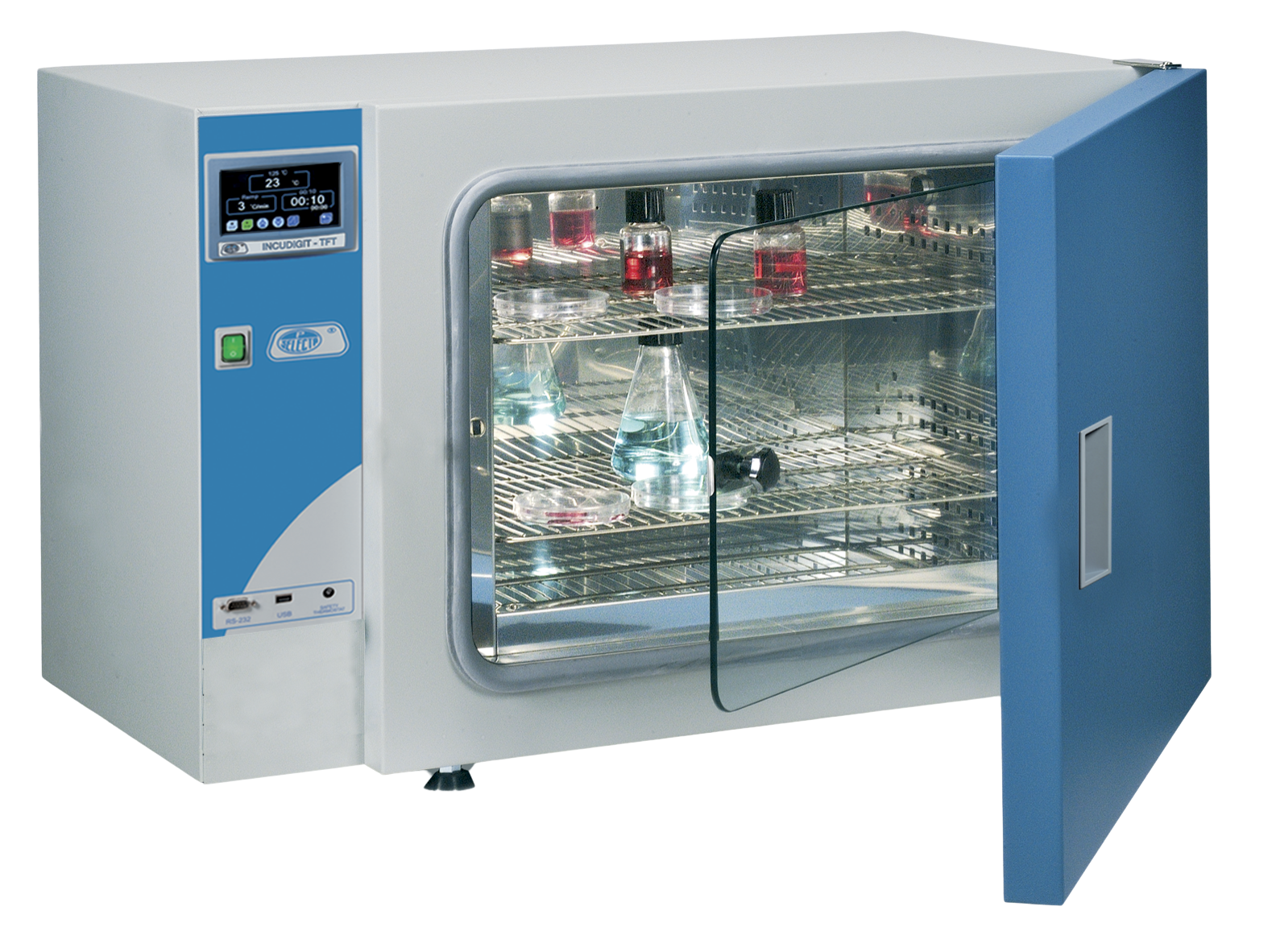
2001263
Incudigit-TFT
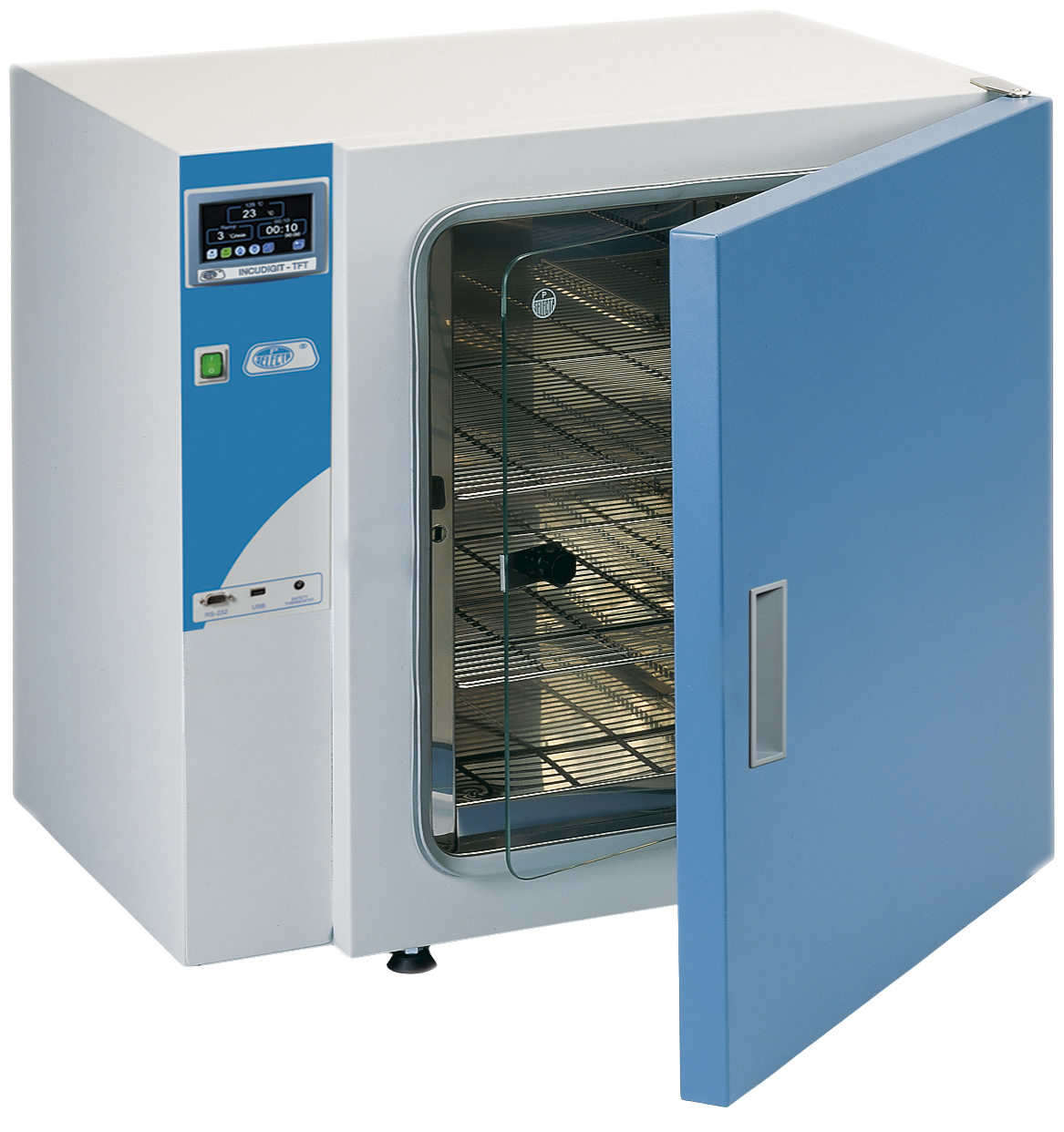
2001265
Incudigit-TFT
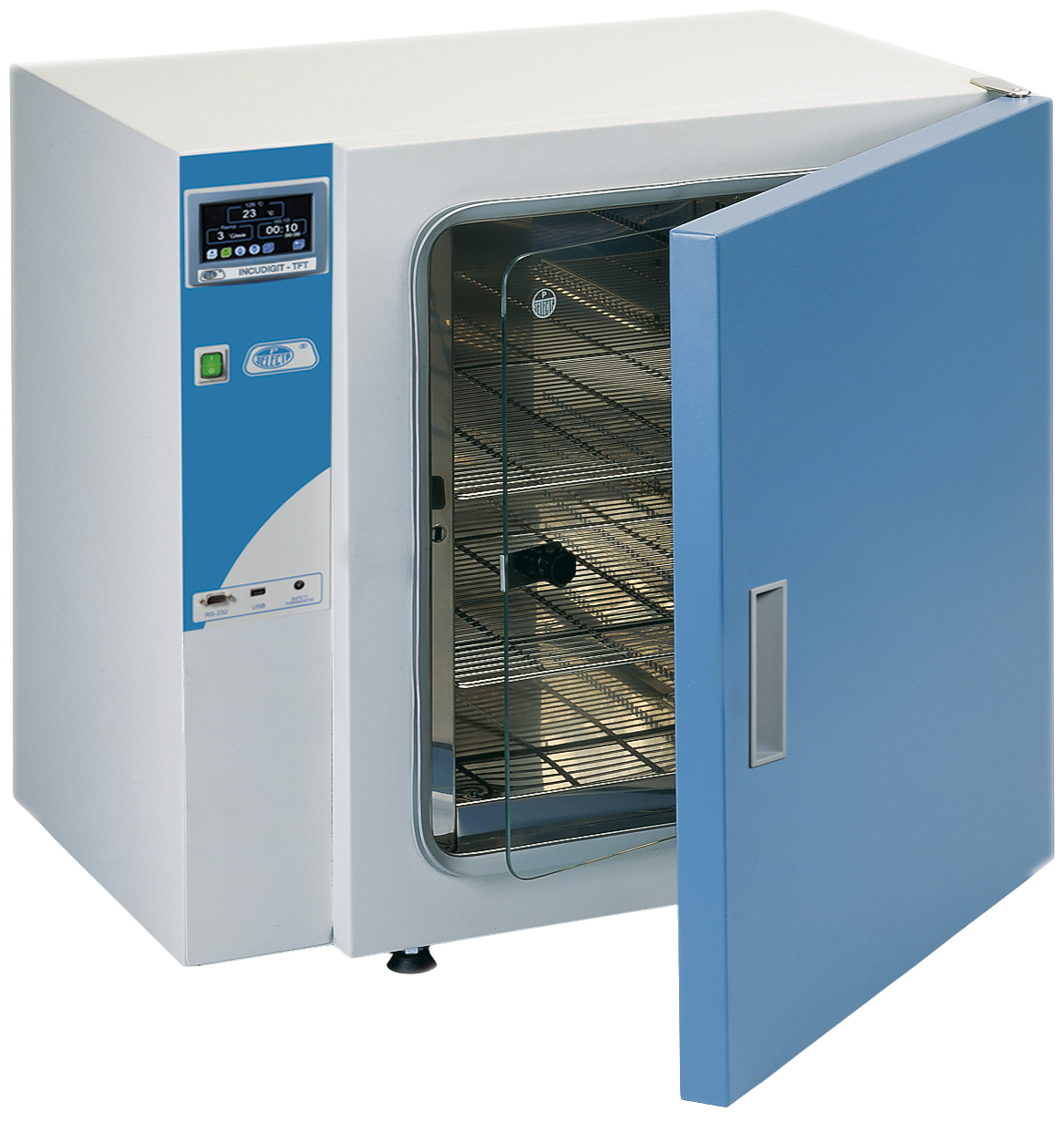
2001264
Incudigit-TFT
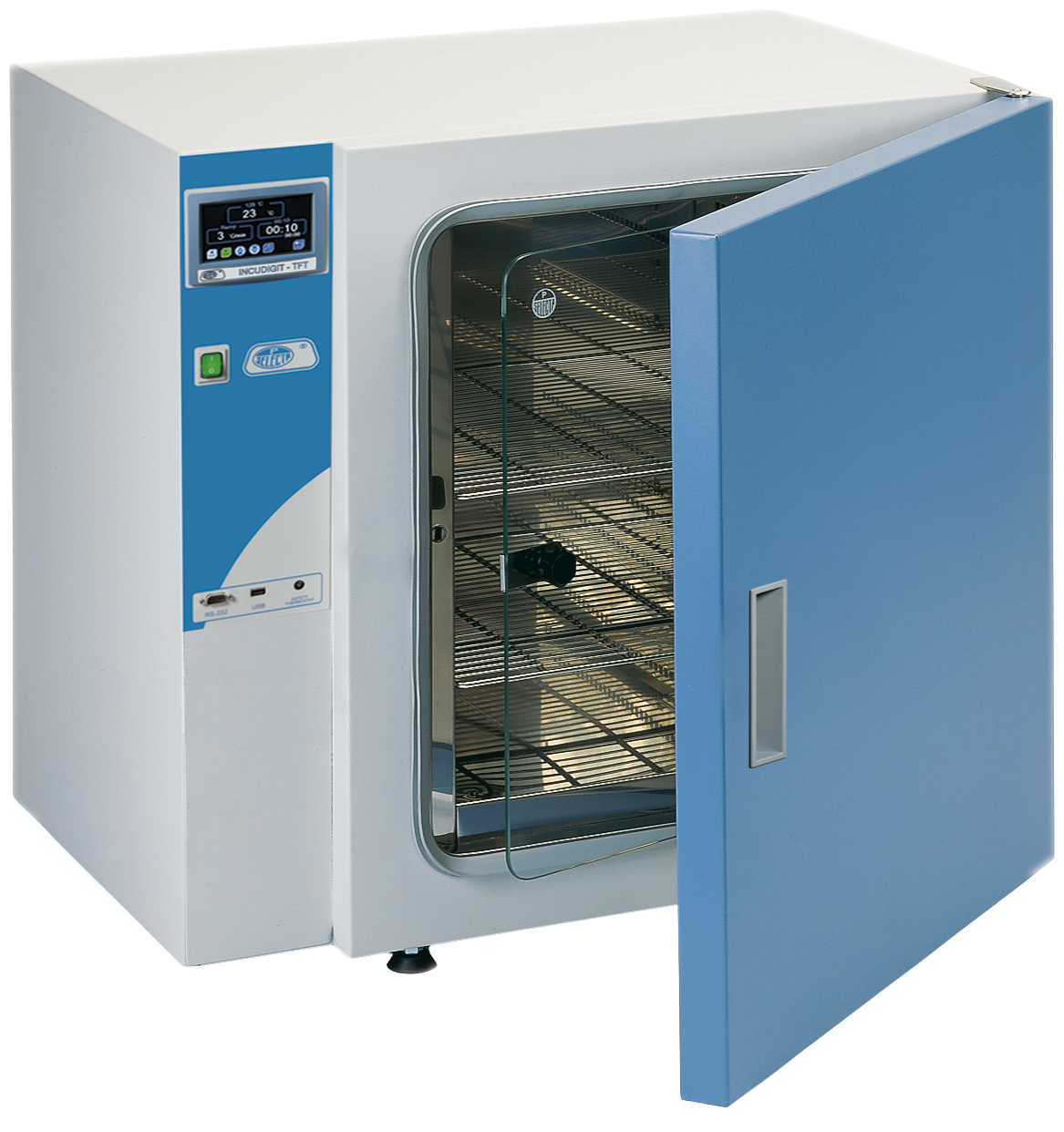
2001262
Incudigit-TFT
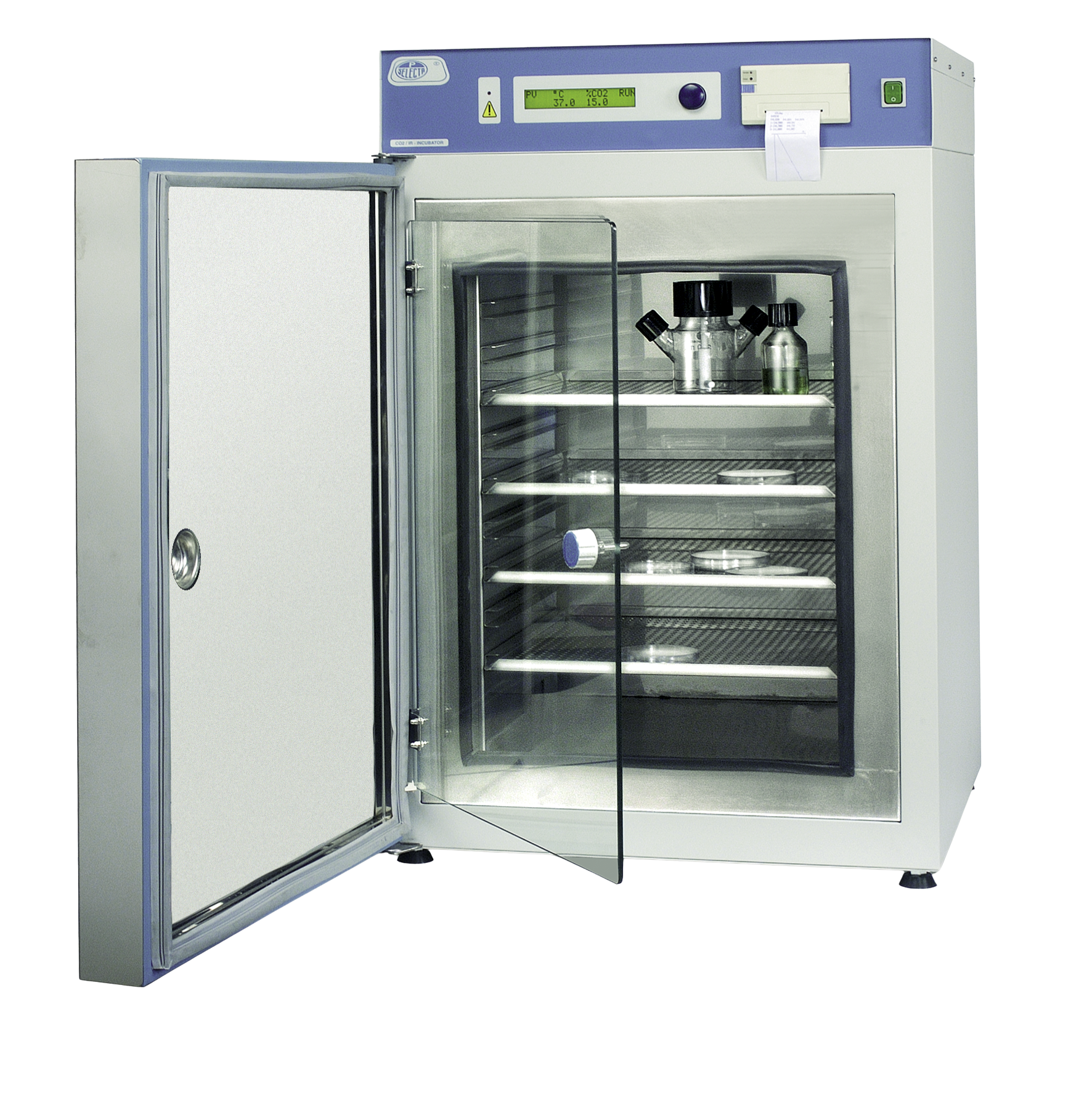
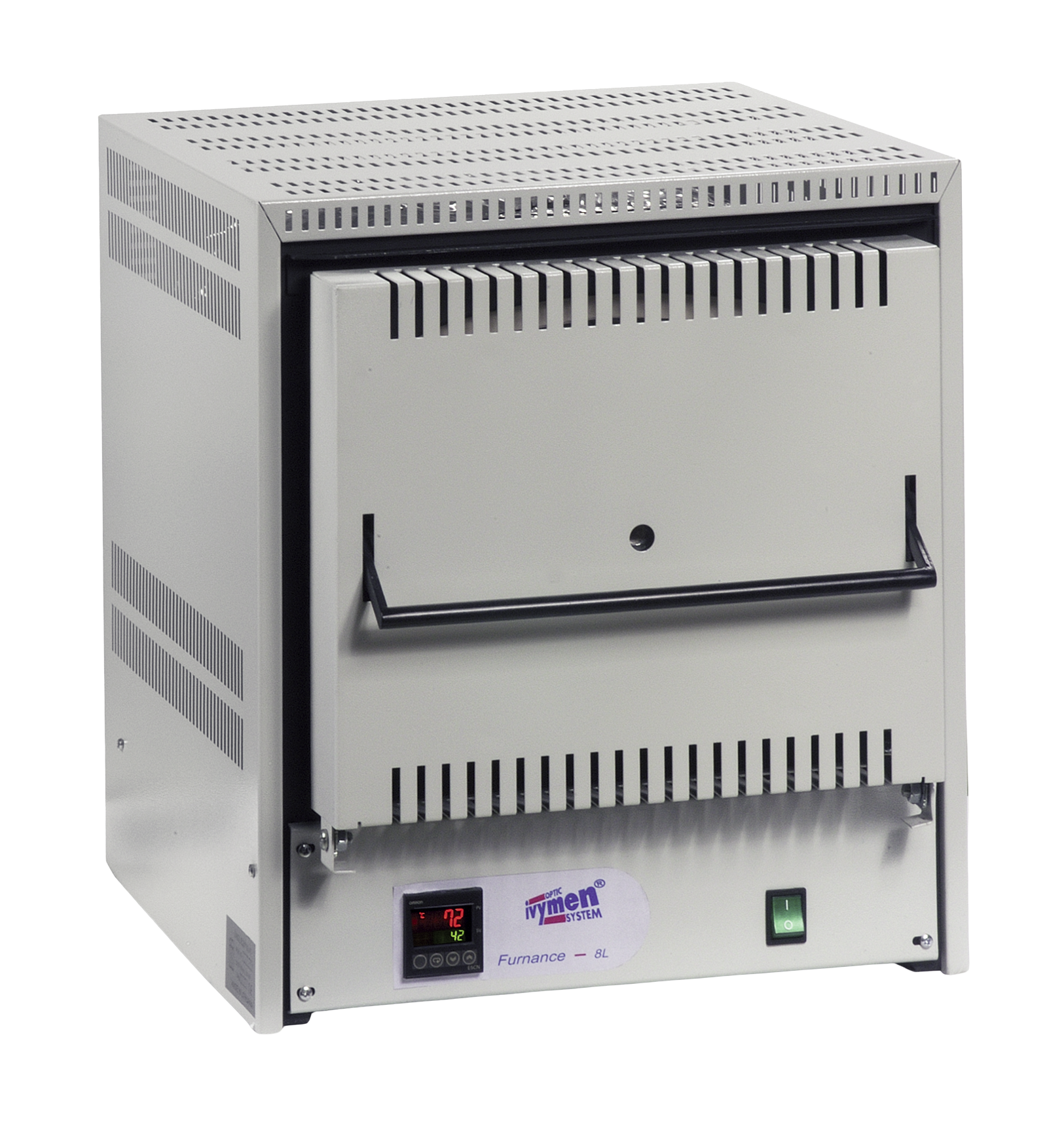
.png)
JP Selecta laboratory ovens
JP Selecta laboratory ovens deliver precise and reliable thermal solutions for scientific, healthcare and industrial environments.
Our range of over 50 models covers natural- and forced-convection drying ovens, vacuum ovens, culture incubators, muffle furnaces for calcination and precision refrigerated units, with temperature ranges from -10 °C up to 1,100 °C depending on the application.
All models incorporate high-precision PID digital control, certified thermal uniformity, AISI 304 stainless steel construction and datalogger recording for GMP traceability. Available capacities from 19 litres to 720 litres according to workload and application.
Our oven range
Thermal equipment adapted to any analytical, microbiological, industrial or research application:
Natural-convection drying ovens
Ideal for volatile samples, fine powders and applications requiring gentle drying without turbulence.
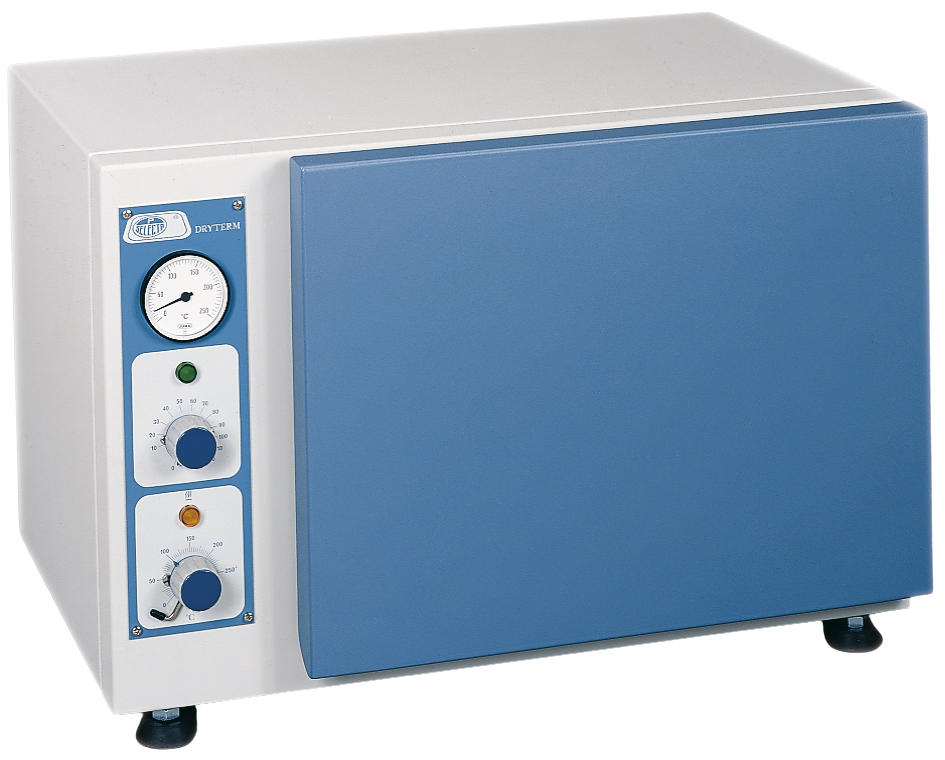
- Featured models: Drytime II, Dryterm, Dryglass, Conterm, Digitheat.
- Temperature range: From ambient +5 °C up to 200 °C.
- Capacities: 19 to 240 litres depending on model.
- Applications: Drying of laboratory material, glassware, moisture determination, gravimetric analyses, preparation of volatile samples.
- Advantages: Gentle thermal distribution by gradient, low energy consumption, no dust raise, ideal for air-sensitive samples.
Forced-convection drying ovens
Professional equipment for demanding processes with large or dense loads requiring superior thermal homogeneity.
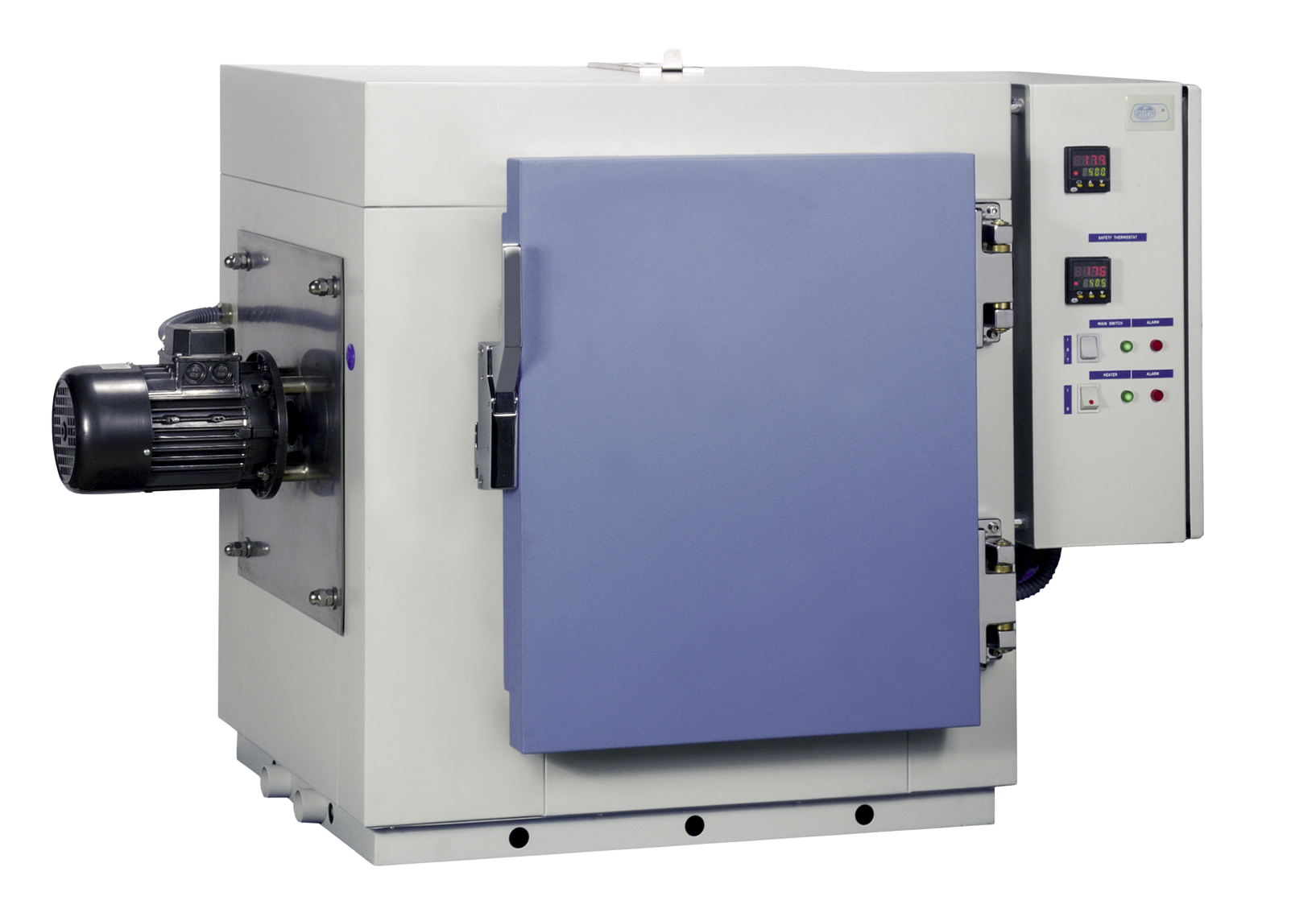
- Featured models: DryBig, Digitronic, Hightemp (up to 400 °C).
- Temperature range: From ambient +5 °C up to 250 °C in standard series; up to 400 °C in the Hightemp series.
- Capacities: 28 to 720 litres (up to 4,200 L in industrial versions).
- Applications: Fast and uniform drying, accelerated ageing tests, curing of adhesives and resins, controlled thermal treatments.
- Advantages: Thermal uniformity ±1 °C, fast temperature recovery after door opening, internal fan ensures homogeneity throughout the chamber.
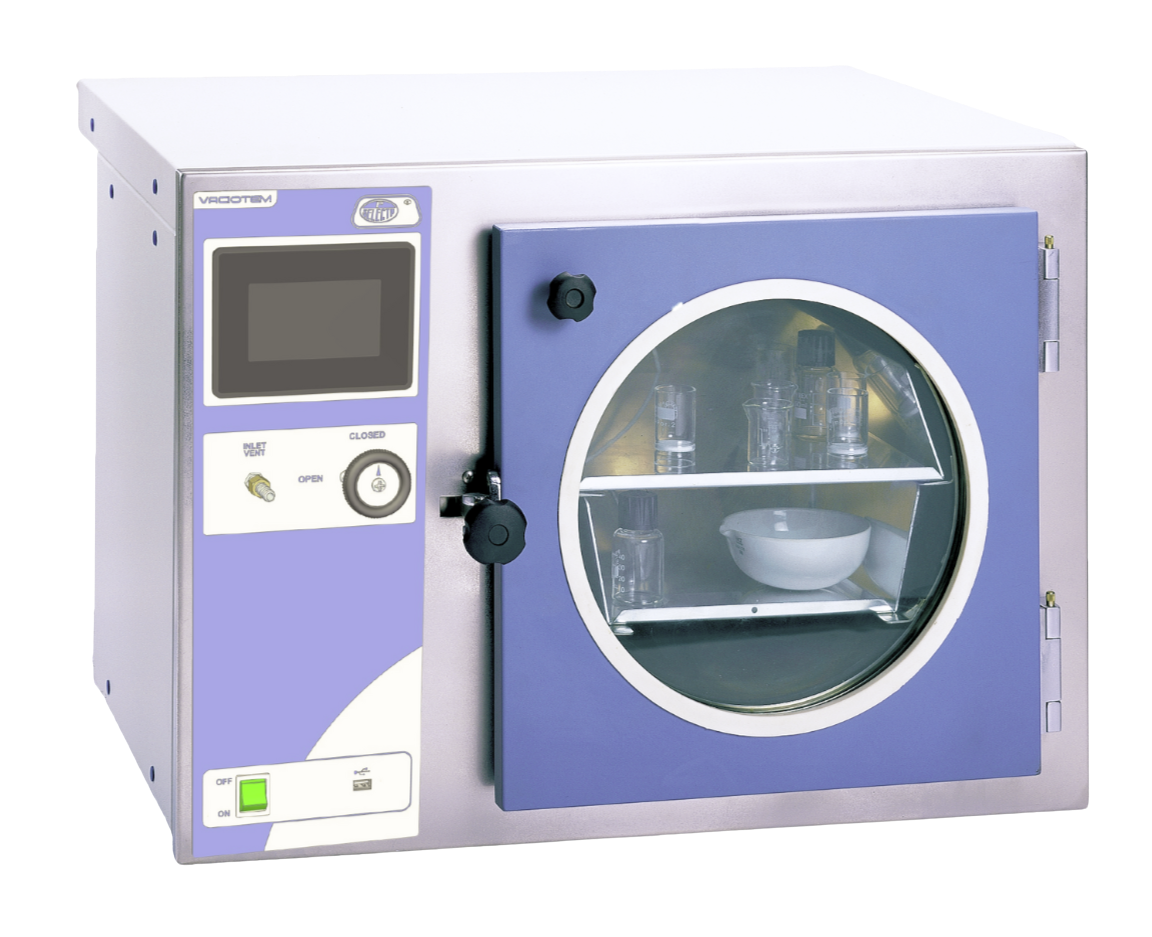
Vacuum ovens
High-end solution for heat-sensitive or oxidation-prone substances under GMP and FDA 21 CFR Part 11 compliance.
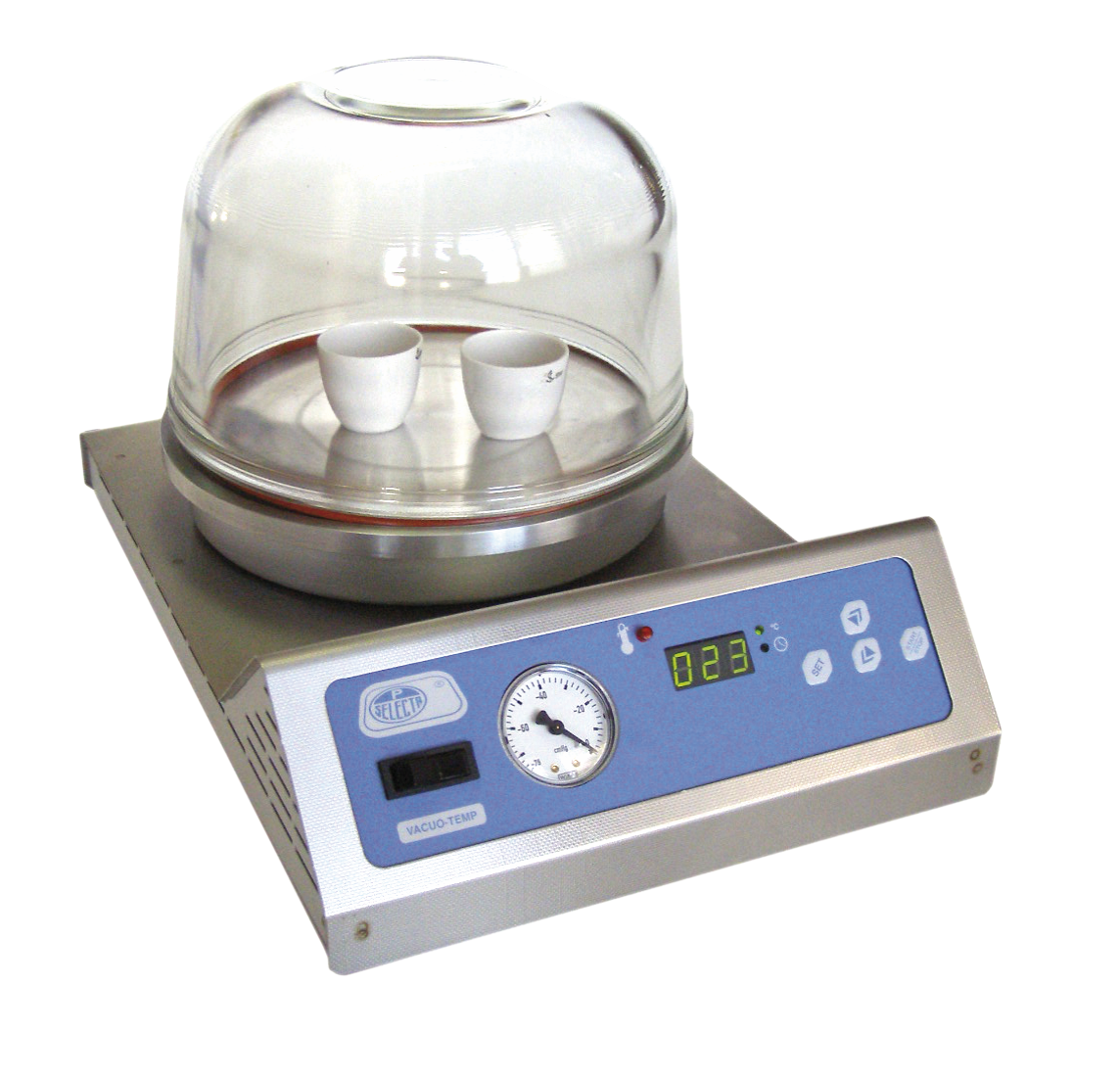
- Featured models: Vaciotem-GMP, Vacuo-Temp.
- Temperature range: From ambient +5 °C up to 200 °C.
- Capacities: 3, 25 and 47 litres.
- Applications: Heat-sensitive materials, solvent removal at low temperature, drying of very fine powders, prevention of oxidation of metallic or chemical components.
- Advantages: FDA 21 CFR Part 11 compliance, safety double-glass door against implosion, external vacuum pump connection, digital pressure control.
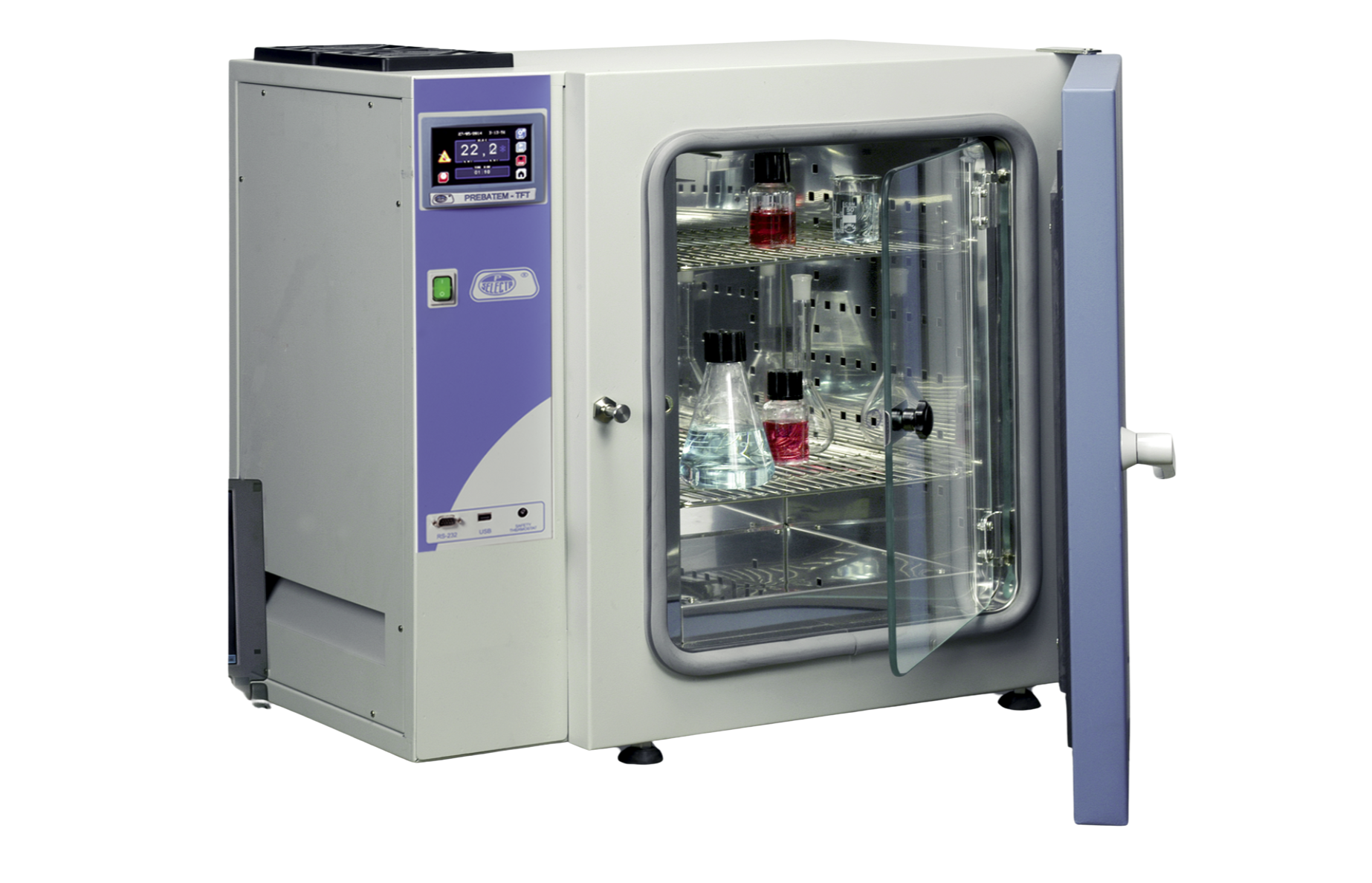
Culture incubators
Specialised equipment for microbiology, cell biology and incubation applications with critical thermal control.
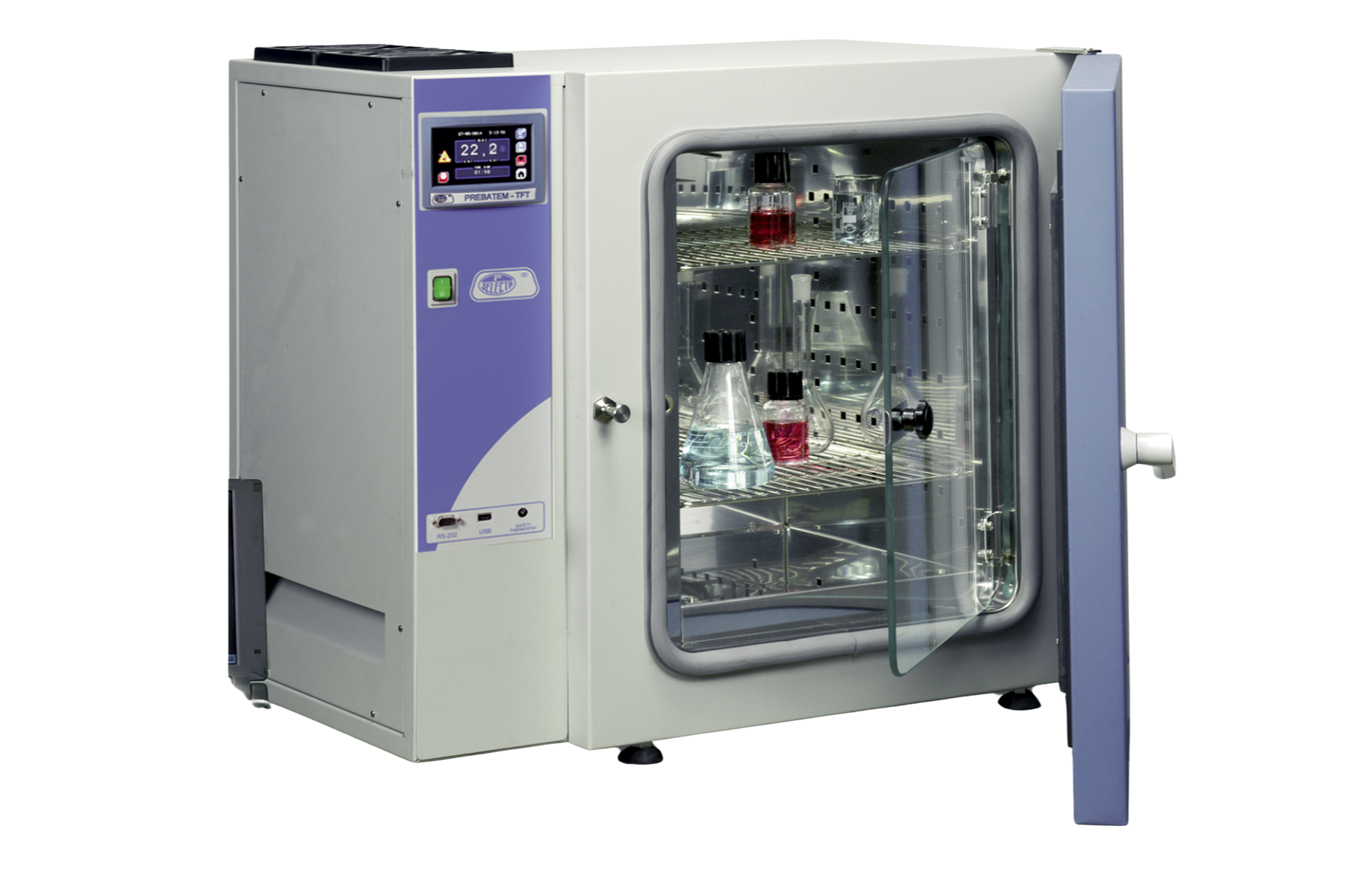
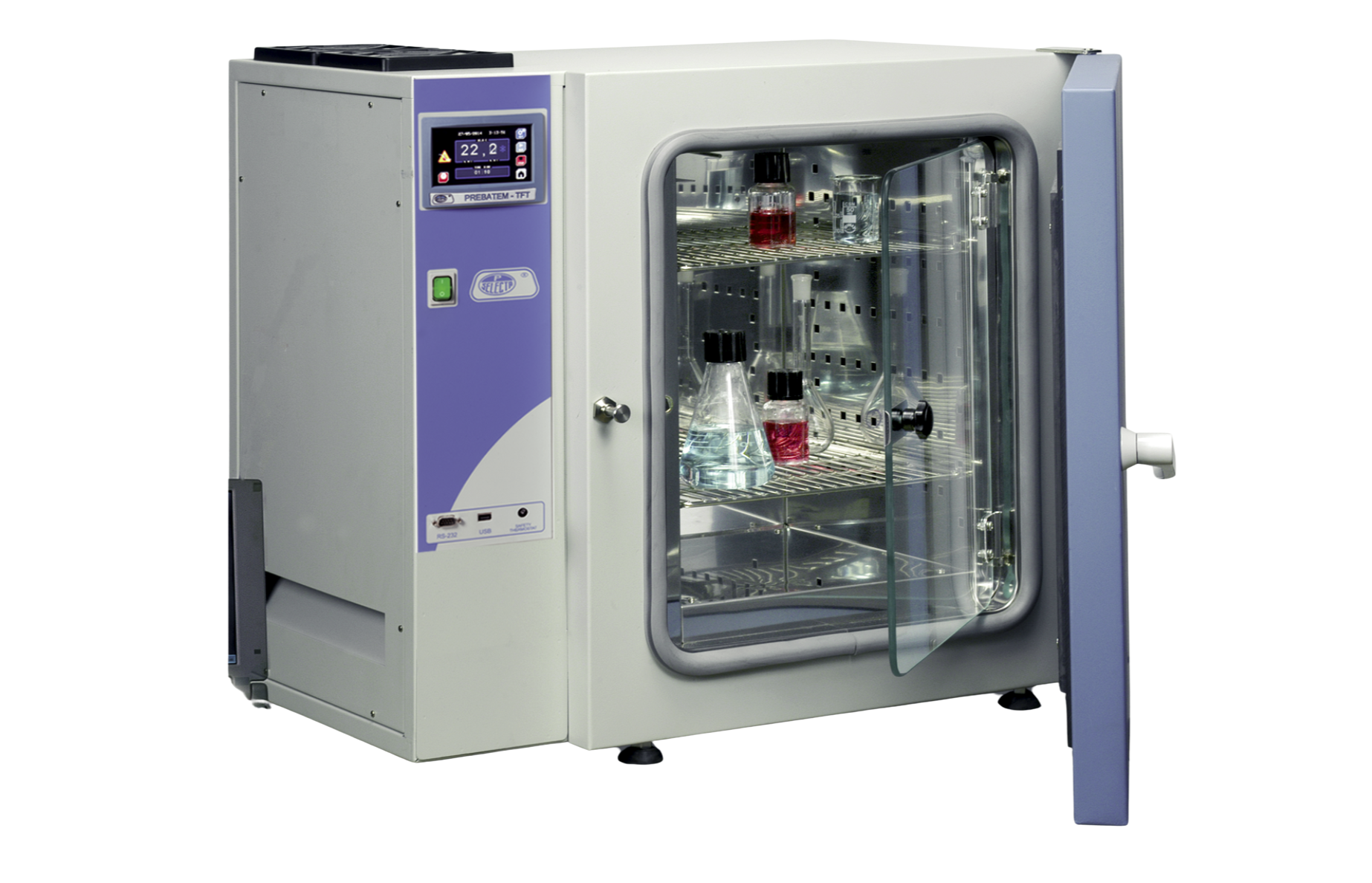
- Featured models: Incubat, Incudigit-TFT, Incubig, Prebatem (Peltier compressor-free), Boxcult, TH-350, Incubator CO2.
- Temperature range: Ambient +5 °C up to 80 °C (5 °C to 60 °C in refrigerated versions).
- Capacities: 19 to 720 litres depending on model.
- Applications: Microbiological and bacteriological cultures, anaerobic incubation of cells and tissues, CO2-controlled incubation, haematology, clinical biochemistry.
- Advantages: Double interior tempered-glass door, TFT touch control, automatic data recording, deviation alarms, thermal stability ±0.5 °C.
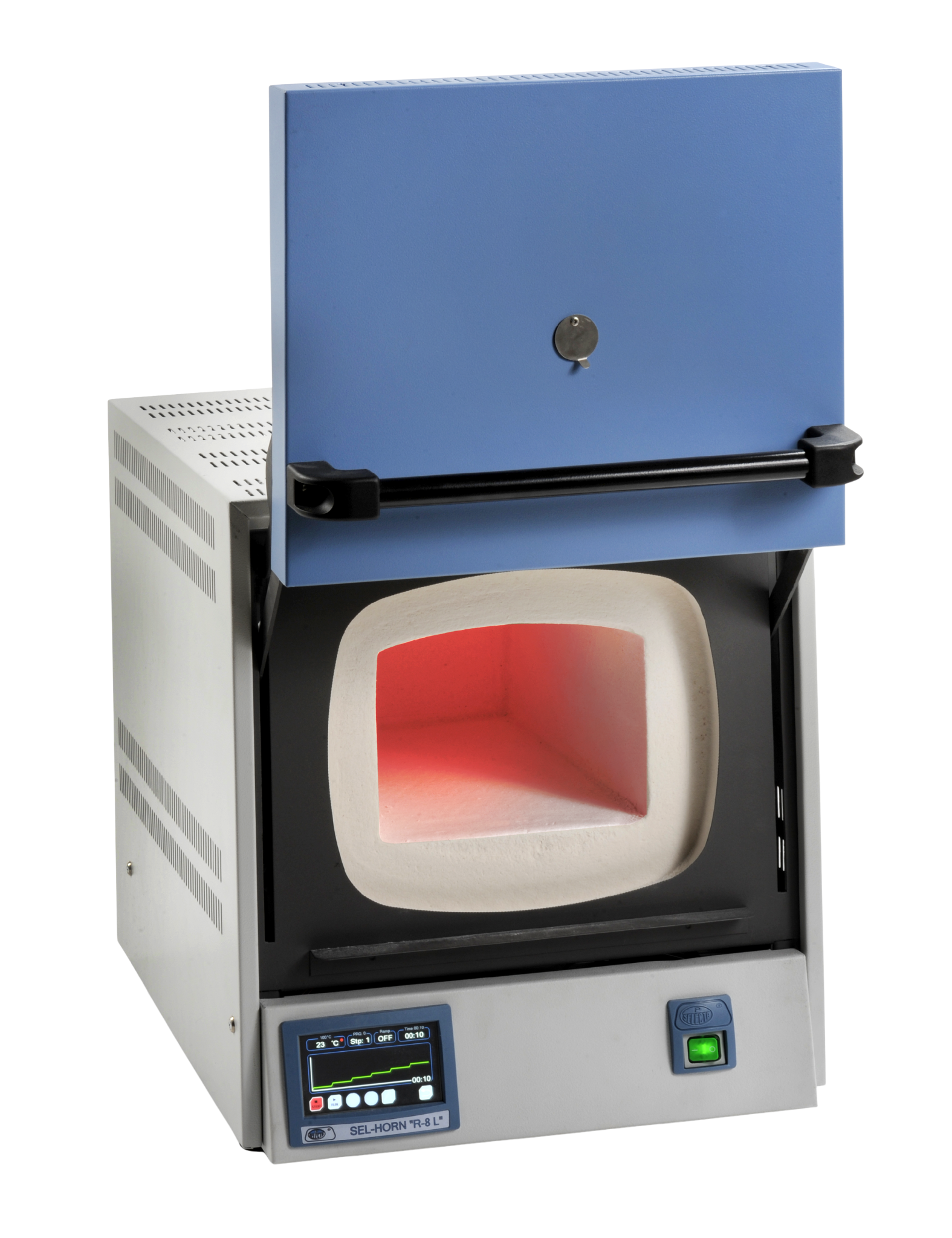
Muffle furnaces
High-temperature thermal solution for calcination, ash analysis and incineration in chambers insulated with refractory materials.
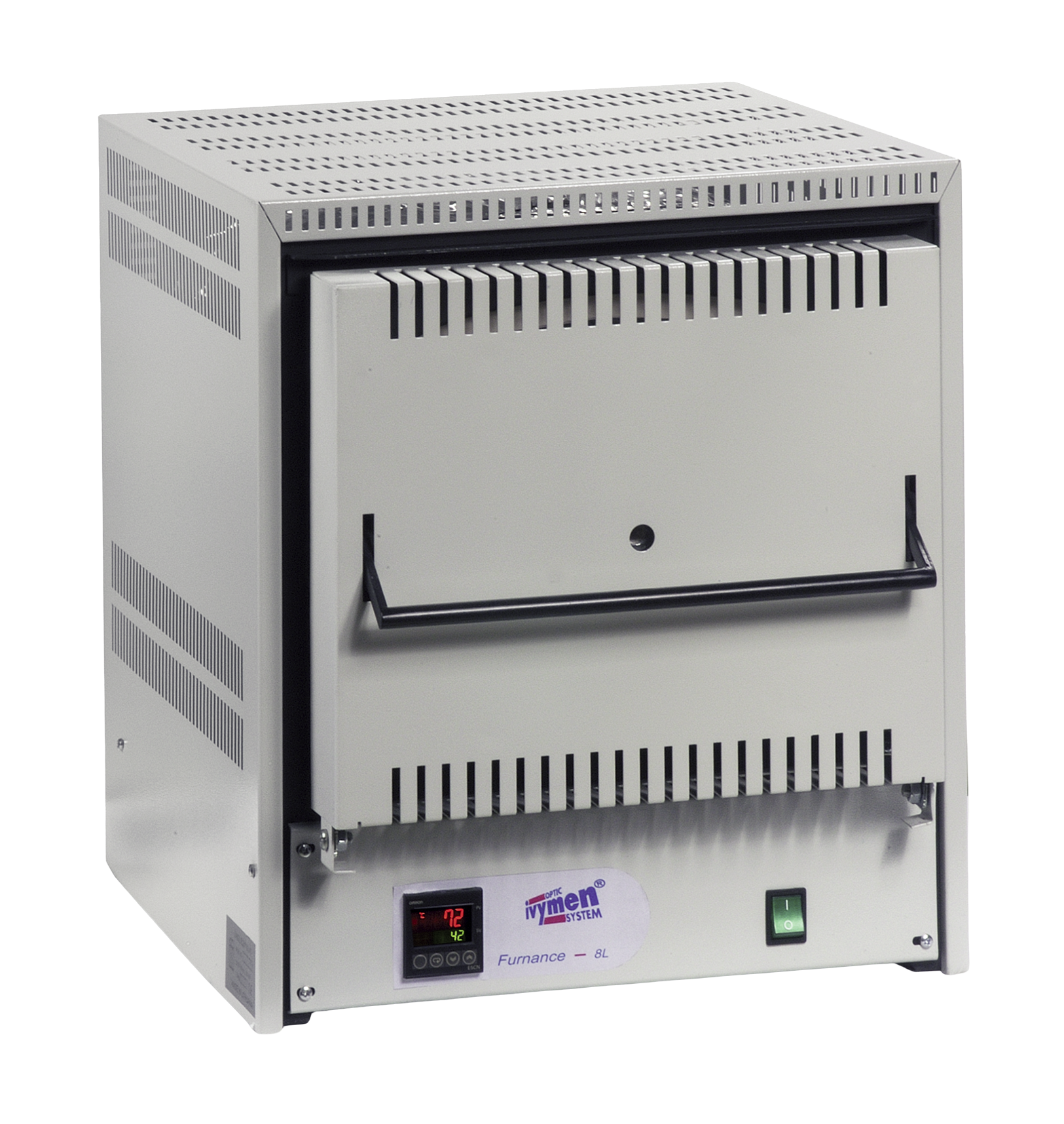
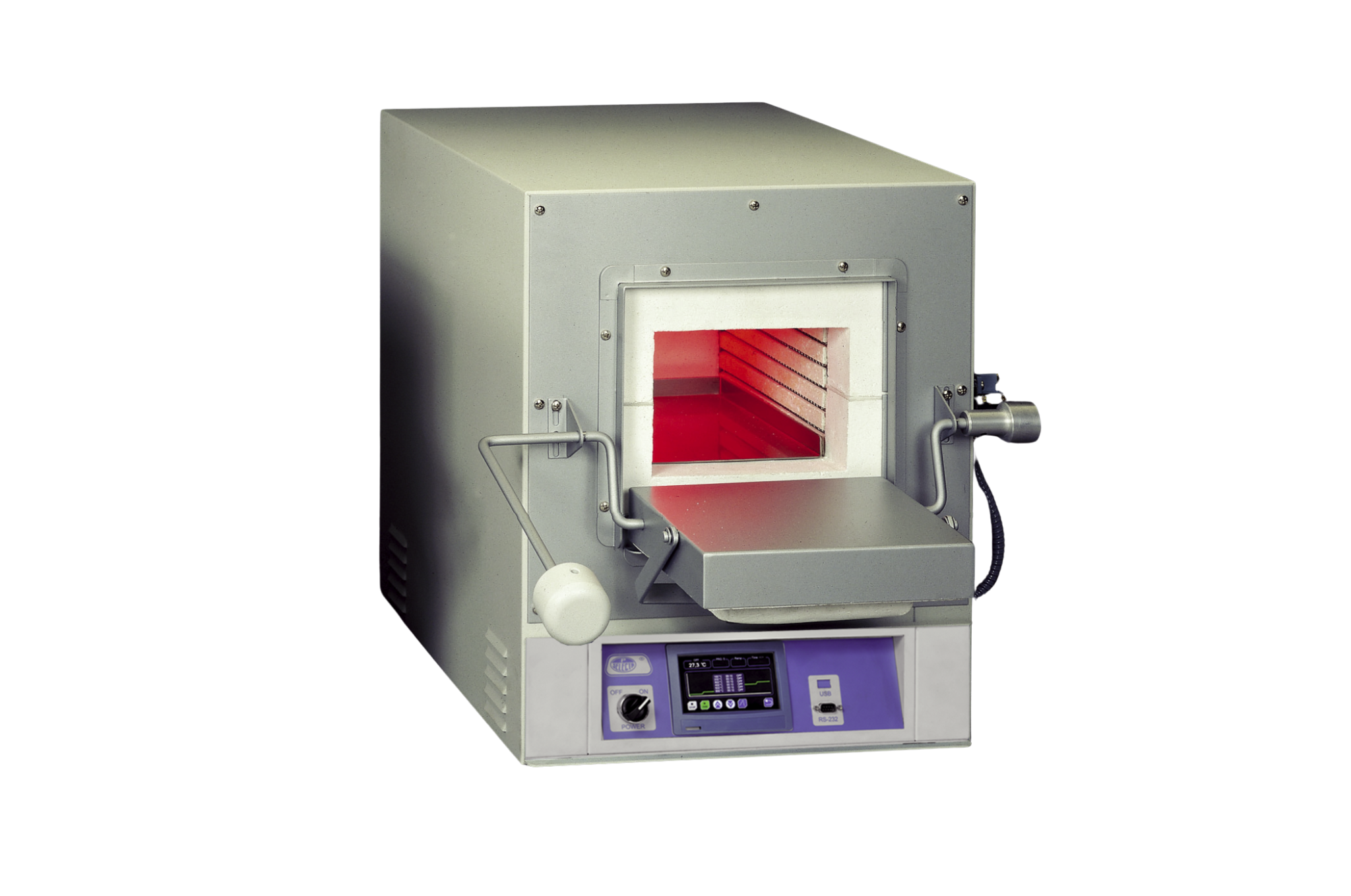
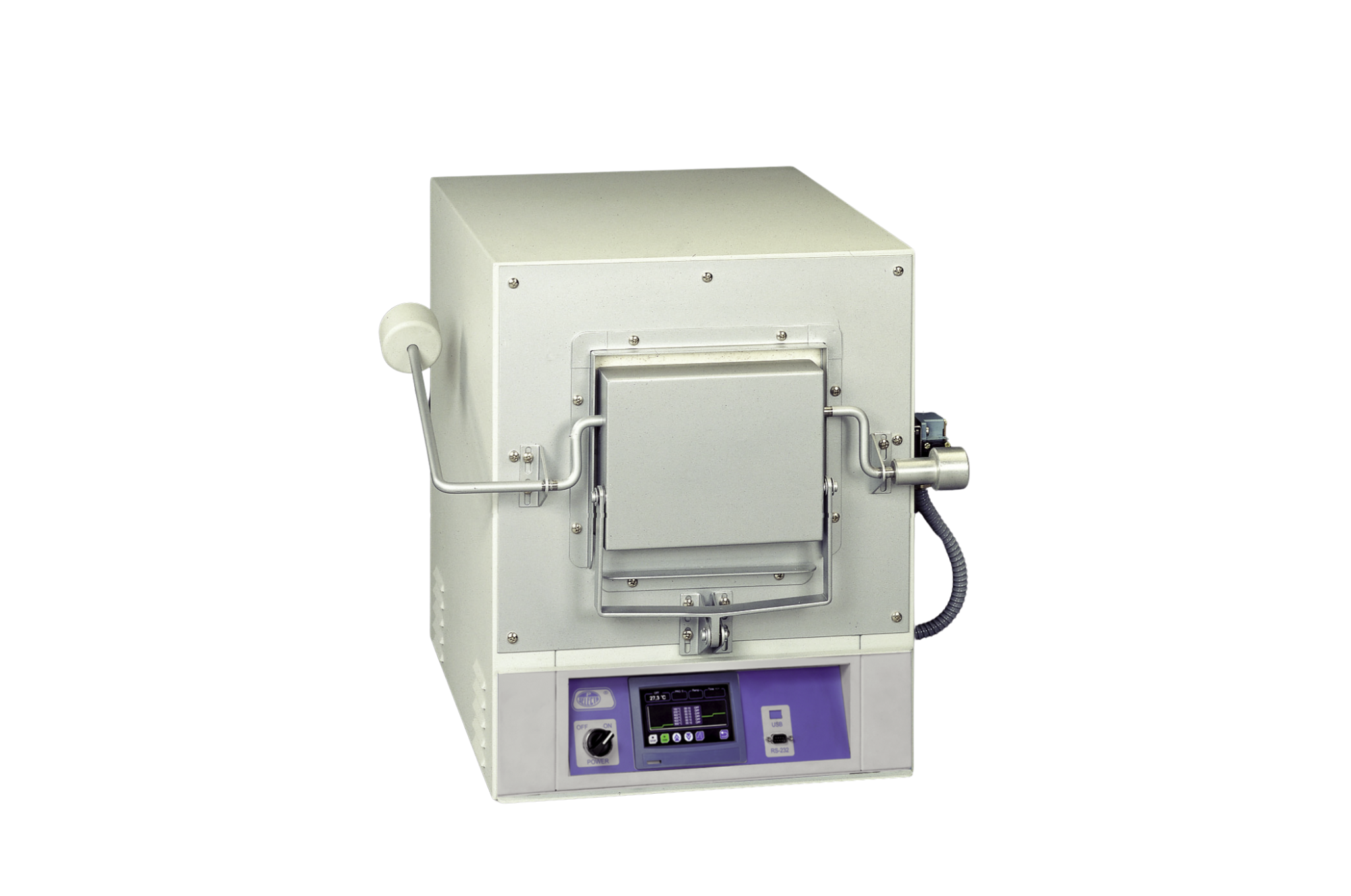
- Featured models: Electrical muffle furnaces series.
- Temperature range: Up to 1,100 °C, and up to 1,200 °C in premium models.
- Capacities: Variable per model (typically 8 to 50 litres).
- Applications: Ash analysis, calcination of organic and inorganic samples, incineration, material resistance testing, advanced thermal treatments.
- Advantages: Chamber insulated with high-density refractories, PID control with autotuning, overheat safety alarms, cool-touch outer walls.
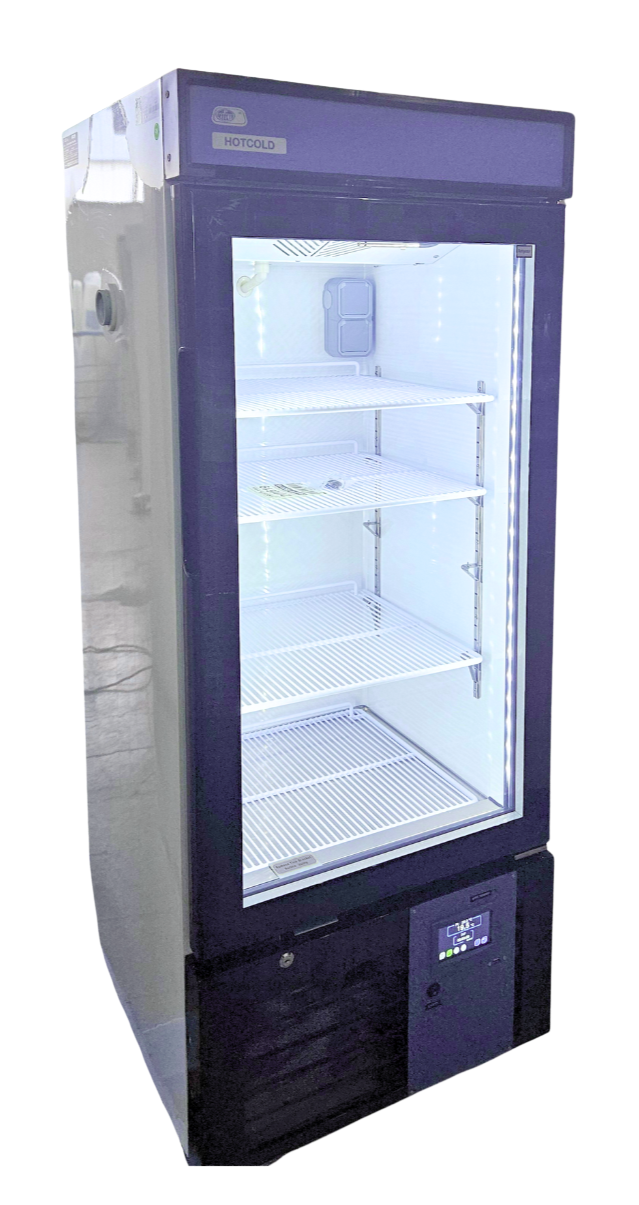
Hotcold refrigerated ovens
Bidirectional thermal control equipment with Peltier unit for stability testing and climatic simulation.
- Featured models: Hotcold series.
- Temperature range: -10 °C up to +65 °C.
- Capacities: 70 to 250 litres depending on model.
- Applications: Pharmaceutical stability testing, critical sample storage, climatic simulation, conservation of heat-sensitive reagents.
- Advantages: Silent Peltier unit without compressor, digital precision control, vibration-free operation, CFC-free, ideal for benchtop applications.
Comparative table by oven type
| Type | Temp. range | Capacity | Typical applications | Featured models |
|---|---|---|---|---|
| Natural convection | +5 °C to 200 °C | 19 to 240 L | Gentle drying, fine powders, gravimetry | Drytime II, Dryterm, Conterm, Digitheat |
| Forced convection | +5 °C to 400 °C | 28 to 720 L | Fast drying, ageing tests, curing | DryBig, Digitronic, Hightemp |
| Vacuum | +5 °C to 200 °C | 3 to 47 L | Heat-sensitive, solvents, FDA GMP | Vaciotem-GMP, Vacuo-Temp |
| Incubation | +5 °C to 80 °C | 19 to 720 L | Microbiological cultures, bacteriology, CO2 | Incudigit-TFT, Incubat, Incubator CO2 |
| Muffle furnaces | up to 1,100 °C | 8 to 50 L | Calcination, ash analysis, incineration | Electrical muffle |
| Refrigerated Peltier | -10 °C to +65 °C | 70 to 250 L | Stability, climatic, critical conservation | Hotcold |
JP Selecta technology in laboratory ovens
Each laboratory oven incorporates high-end components that guarantee repeatability, durability and regulatory compliance in demanding environments.
High-precision PID control
The digital PID (Proportional-Integral-Derivative) controllers guarantee stable and precise thermal regulation, eliminating the oscillations typical of ON/OFF systems. They maintain stability up to ±0.1 °C with automatic autotuning. The TFT touch screen shows real temperature and set-point simultaneously, and includes ramp programming and timer.
Certified thermal uniformity per DIN 12880
Our ovens ensure thermal uniformity of ±1-3 °C depending on model, certified in accordance with the international DIN 12880 standard. We use traceable standards for initial calibration and offer recalibration service with ENAC-traceable certification for ISO 17025-accredited environments.
Integrated dataloggers
Advanced TFT series models incorporate internal memories with datalogger as standard to meet GMP, ISO and FDA regulations. They allow data visualisation on high-resolution touch screens and export via USB, RS-232 or Ethernet in PDF and CSV formats for regulatory audits.
Applications of our ovens by sector
-
Pharmaceutical industry. We guarantee drying and dry-heat sterilisation under GMP compliance, with full cycle traceability and IQ/OQ/PQ validation.
-
Food industry. Ovens for moisture determination in cereals and derivatives, drying of analytical samples and quality control under HACCP.
-
Chemical laboratories and research. Equipment for polymer curing, ageing tests, calcination in muffle furnaces and sample preparation for analysis.
-
Universities and teaching centres. Robust, safe and easy-to-operate ovens for bacteriological incubation, glassware drying and laboratory practice.
Why choose JP Selecta ovens
Manufactured in Spain, JP Selecta ovens combine robust engineering, precision control and international regulatory compliance in a range of over 50 models.
100% AISI 304 stainless steel construction
While other brands use painted or galvanised steel that corrodes over time and with humidity, all our ovens incorporate AISI 304 stainless steel interior and exterior (refractory AISI 310 in high temperatures). This provides resistance to aggressive chemicals, no particle release, ease of cleaning and disinfection, and a service life three times longer than the market standard.
High-density mineral-fibre insulation
We use high-density mineral-fibre panels that act as an unbeatable thermal barrier. We guarantee perfect homogeneity inside the chamber while maintaining a safe-to-touch outer temperature, with optimised energy consumption.
Range of capacities in a single family
From the compact 19-litre incubator to large 720-litre industrial units (4,200 L in special versions). This exclusive range allows laboratories to unify their thermal supply under a single technical brand, simplifying calibrations, maintenance and operator training.
Integrated digital traceability
Our TFT series ovens incorporate dataloggers as standard, compatible with GMP, ISO and FDA. They allow exporting thermal cycles in PDF and CSV for audits, facilitating successful pharmaceutical, food and clinical inspections.
Request a custom quote
Do you need technical advice to choose the right laboratory oven? Our technical-commercial team will help you select the optimal model considering: type of samples to process, required temperature range, daily workload, required precision level and applicable standards (GMP, ISO, HACCP).
Frequently Asked Questions
What is the difference between a natural-convection oven and a forced-convection oven?
The main difference is the air circulation system. In natural convection, air moves by density difference, providing gentle drying ideal for volatile samples or fine powders that must not be dispersed. In forced convection, a fan drives the air to achieve superior thermal homogeneity and much faster temperature recovery after opening the door, making it the ideal option for dense loads or large volumes.
What is a vacuum oven used for in the laboratory?
The vacuum oven is used to process samples that are heat-sensitive or that could oxidise in the presence of air. By reducing pressure, the boiling point of liquids drops, allowing the removal of solvents or moisture at much lower temperatures, thus preserving sample integrity.
When do I need a vacuum oven?
It is essential when working with heat-sensitive materials that degrade at standard drying temperatures. It is also required to remove solvents with high boiling points at low temperatures, prevent oxidation of metallic or chemical components, and dry very fine powders without them being projected by the air stream of a fan.
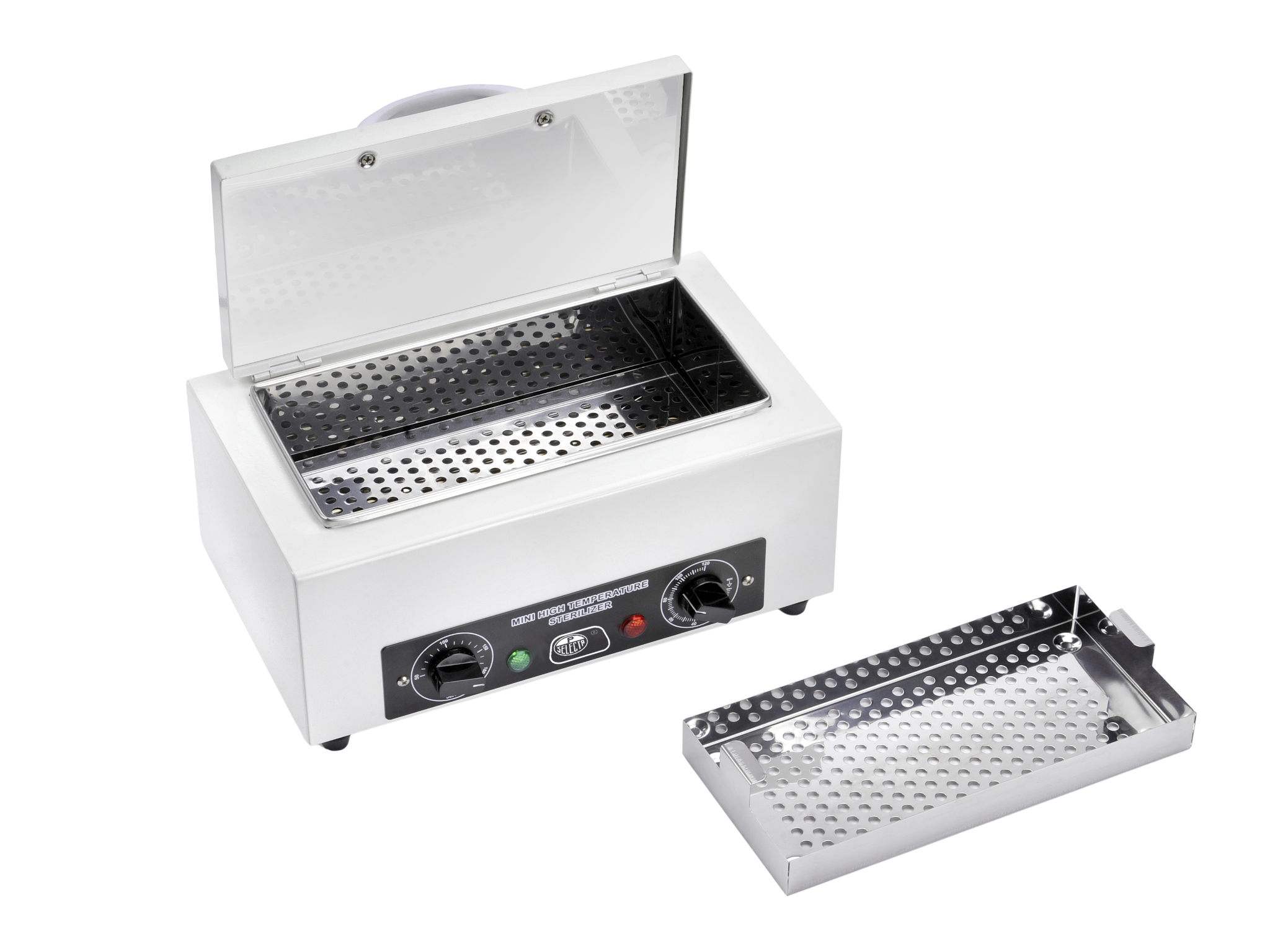
What is a Poupinel oven?
A Poupinel oven is a dry-heat sterilisation device. Unlike the autoclave (which uses steam), the Poupinel uses hot air at temperatures of 160 °C to 180 °C during 2-hour cycles to eliminate microorganisms. It is specifically applied to dry material that does not withstand water vapour, in food analyses such as oils, powders, petroleum jellies, or glassware that must be kept completely dry.
What temperature range do JP Selecta ovens cover?
Our range covers an exceptionally broad thermal spectrum to meet any technical need. We offer everything from precision incubators operating at 5 °C above ambient temperature to industrial muffle furnaces that reach 1,100 °C for calcination processes and advanced thermal analyses.
What is a muffle furnace and what is it used for?
A muffle furnace is an oven designed to reach extremely high temperatures (up to 1,100 °C or more) inside a chamber insulated with refractory materials. It is mainly used in laboratories for ash analysis, calcination of organic and inorganic samples, incineration and material resistance testing.
Do JP Selecta ovens comply with GMP standards?
Yes, our advanced models with TFT display and integrated datalogger are designed to comply with GMP and FDA standards. We provide complete documentation for IQ/OQ/PQ validation protocols, total traceability of temperature cycles via USB/Ethernet export and alarm systems for any process deviation, facilitating quality audits.
What maintenance does a laboratory oven need?
To ensure precision and safety, regular cleaning of the interior chamber (stainless steel) is required, as well as checking the condition of the door gaskets to avoid thermal leaks and inspecting the temperature sensor. Annual calibration with traceable standards is recommended. You can request technical assistance in our technical support section.